Analysis of 82 Trials Shows Black Seed May Improve Cardiovascular Risk Markers
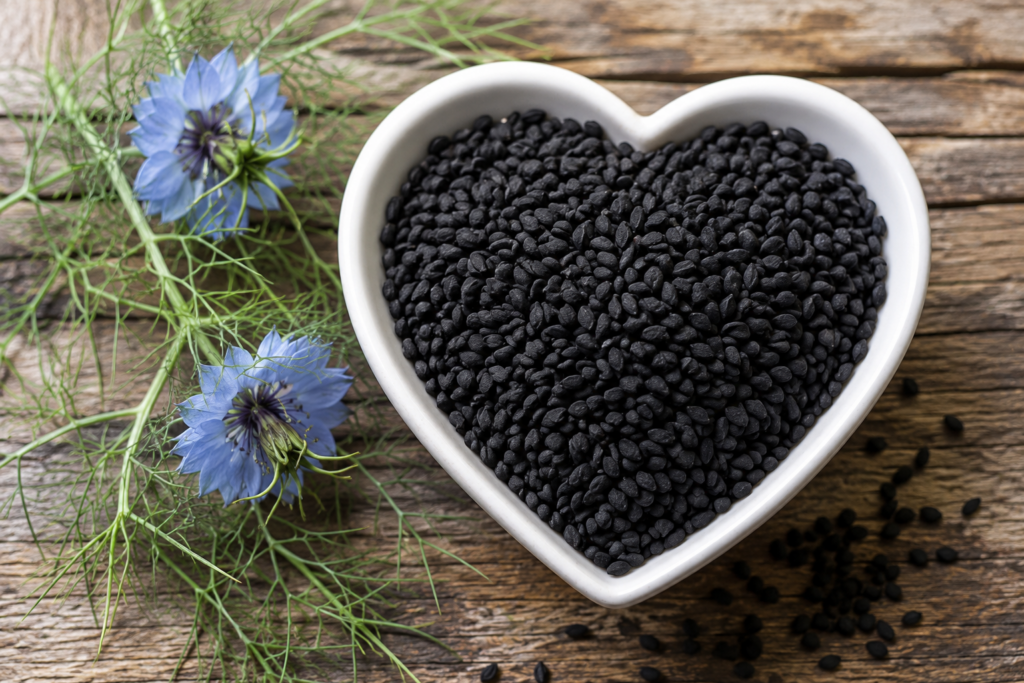
A pooled analysis of 82 randomized controlled trials with 5,026 adults links Nigella sativa supplementation to improvements in blood pressure, lipids, and inflammation.

A pooled analysis of 82 randomized controlled trials with 5,026 adults links Nigella sativa supplementation to improvements in blood pressure, lipids, and inflammation.
A BrightU episode explores how mercury from amalgam fillings and oral bacteria may drive Alzheimer’s, cardiovascular disease, and other chronic illnesses.
A 2025 umbrella review of 26 trials found hibiscus tea lowers blood pressure in a dose-dependent way, with effects comparable to antihypertensive medications.
A 12-week trial found men taking 15g of hydrolyzed collagen daily saw a 30% rise in muscle collagen type I, versus about 10% with training alone.
A 2026 University College Cork study in Molecular Psychiatry found regulatory-level glyphosate altered social behavior and gut microbiota in male mice, with fecal transplants confirming a causal microbiome link.
A new study finds nanoplastics can strengthen bacterial biofilms in drinking water, raising concerns for water treatment and public health.
Texas A&M researchers report that plant compounds in coffee activate the NR4A1 receptor, offering a cellular explanation for coffee’s link to longevity.
A Brazilian study tracking 12,772 adults for eight years tied six artificial sweeteners to 62 percent faster cognitive decline, with the strongest effects in adults under 60.
Researchers report that a sluggish lymphatic system is tied to chronic inflammation, heart disease, and Alzheimer’s, even though it is rarely evaluated in routine care.
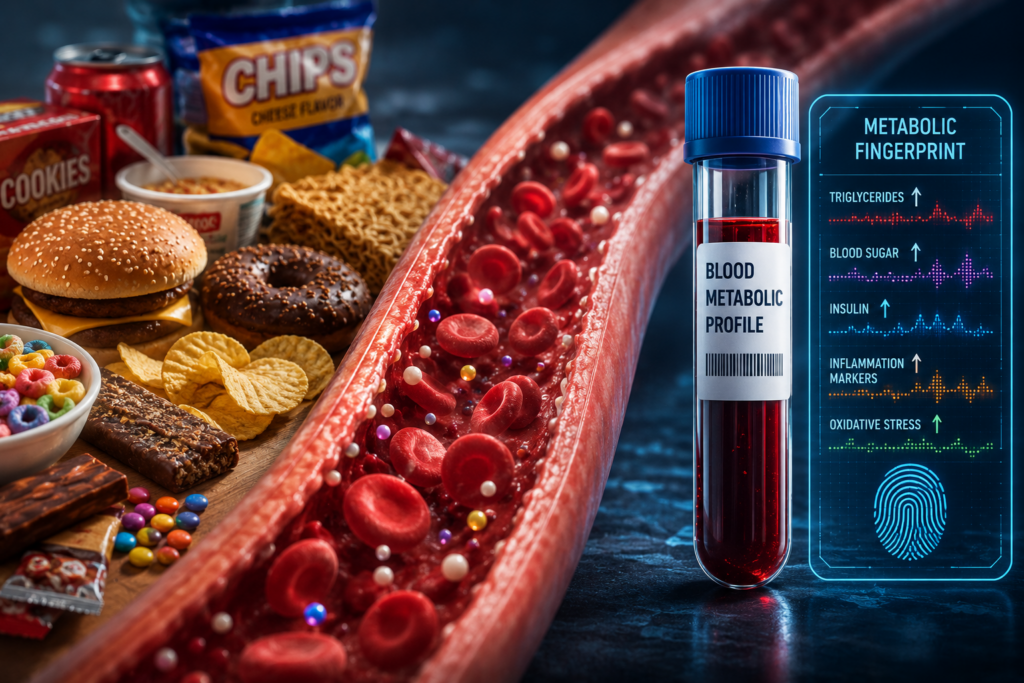
A major European study of more than 15,000 participants found 30 blood compounds that mark ultra-processed food intake, including lower DHA and higher industrial trans fats.