Sun Exposure, Sunscreen, and Vitamin D: Why Melanoma Rates Are Still Climbing
Melanoma rates have tripled since the 1970s despite widespread sunscreen use. Evidence links low vitamin D and chemical sunscreen absorption to rising skin cancer risk.

Melanoma rates have tripled since the 1970s despite widespread sunscreen use. Evidence links low vitamin D and chemical sunscreen absorption to rising skin cancer risk.
CDC confirms 2026 ER visits for tick bites at a near-decade high, 25% above 2025. Lone star ticks, alpha-gal syndrome, and the 72-hour prophylaxis window explained.
SCORPIO predicts immunotherapy response from routine blood tests (72-76% accuracy); Ultra-Rapid ddPCR identifies brain tumor mutations in 15 minutes during surgery.
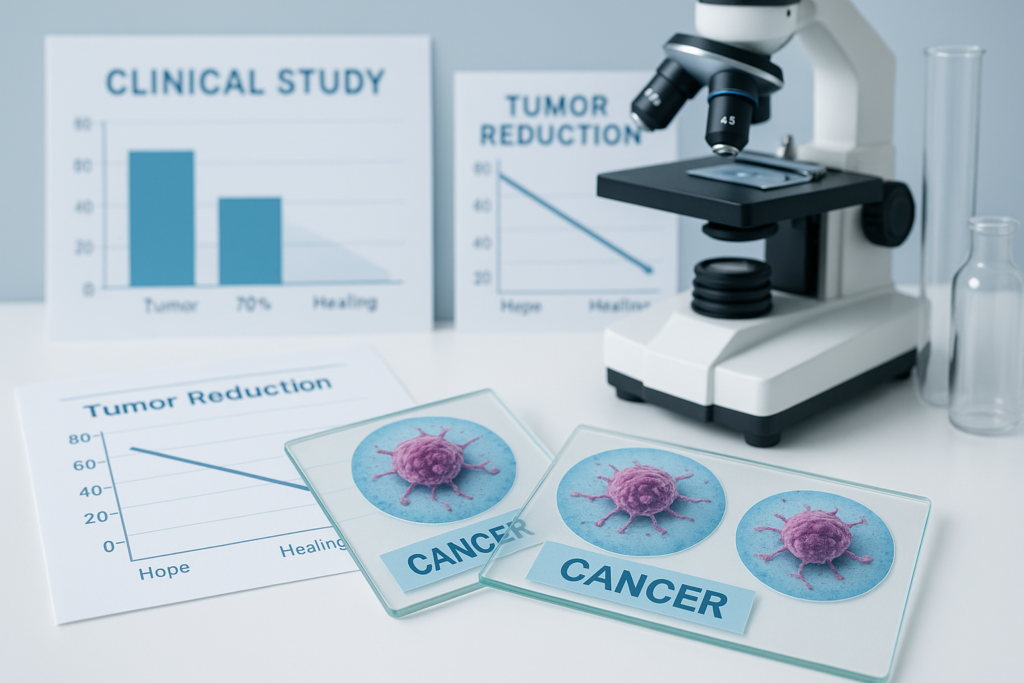
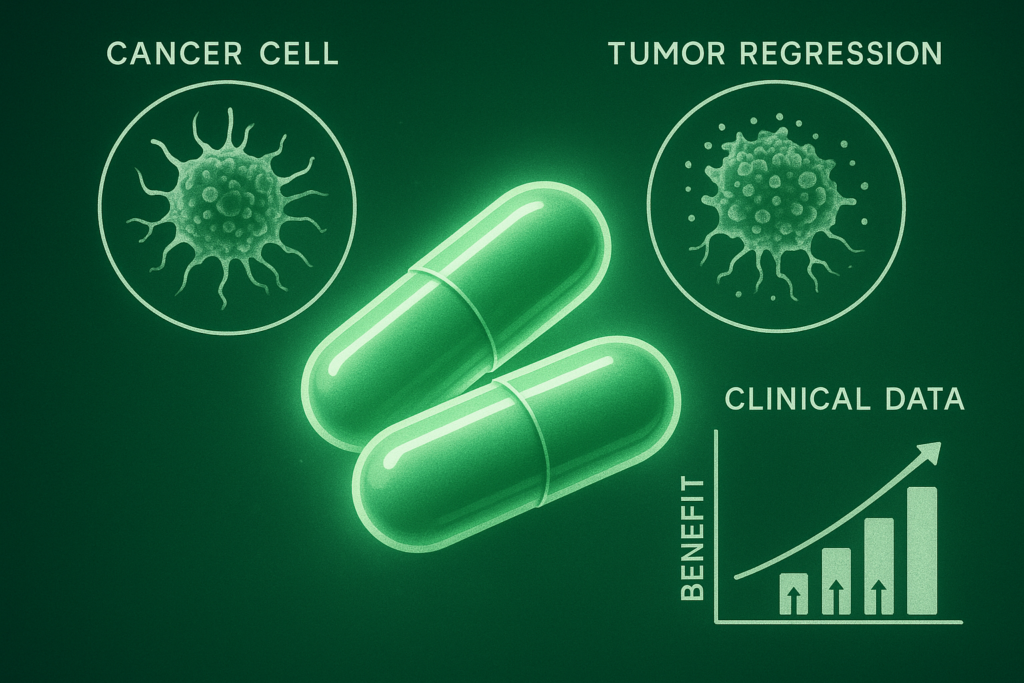
2026 real-world study: 84.4% of cancer patients taking ivermectin and mebendazole reported clinical benefit at 6 months, with nearly half seeing tumor reduction.
Preprint report on 197 cancer patients prescribed compounded ivermectin and mebendazole shows 84.4% clinical benefit ratio at 6 months, with key limitations noted.
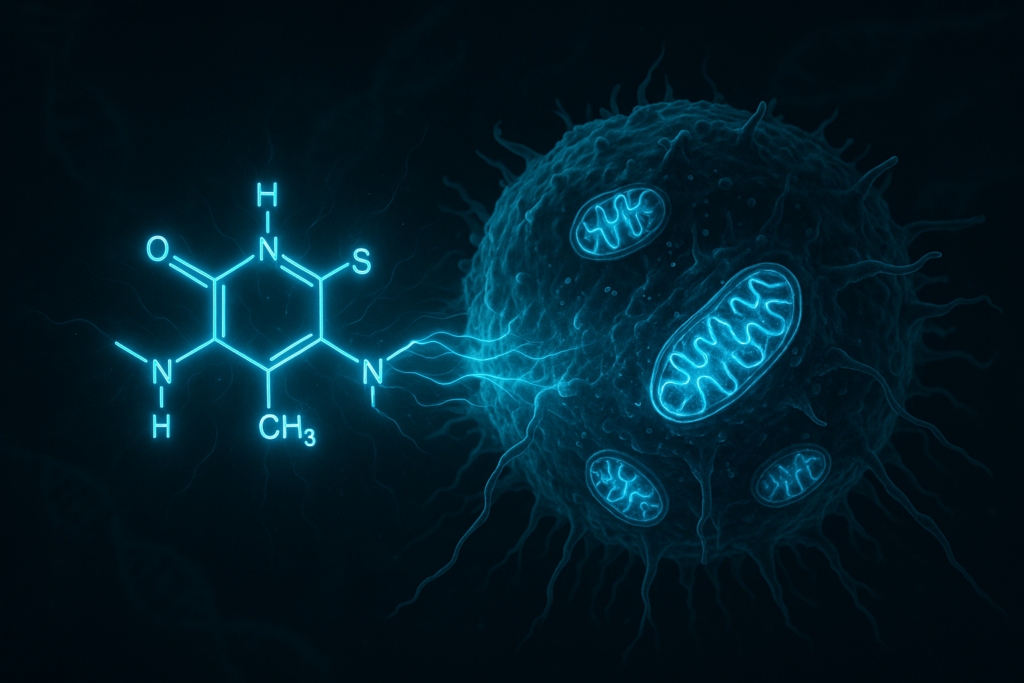
Methylene blue, an FDA-approved drug for methemoglobinemia, is being studied in preclinical cancer research for its redox-cycling, ROS, and PDT mechanisms.
Rates of 14 cancer types are rising in adults under 50, with the sharpest jumps in the 20-29 age group. Researchers blame overlapping lifestyle and environmental factors.
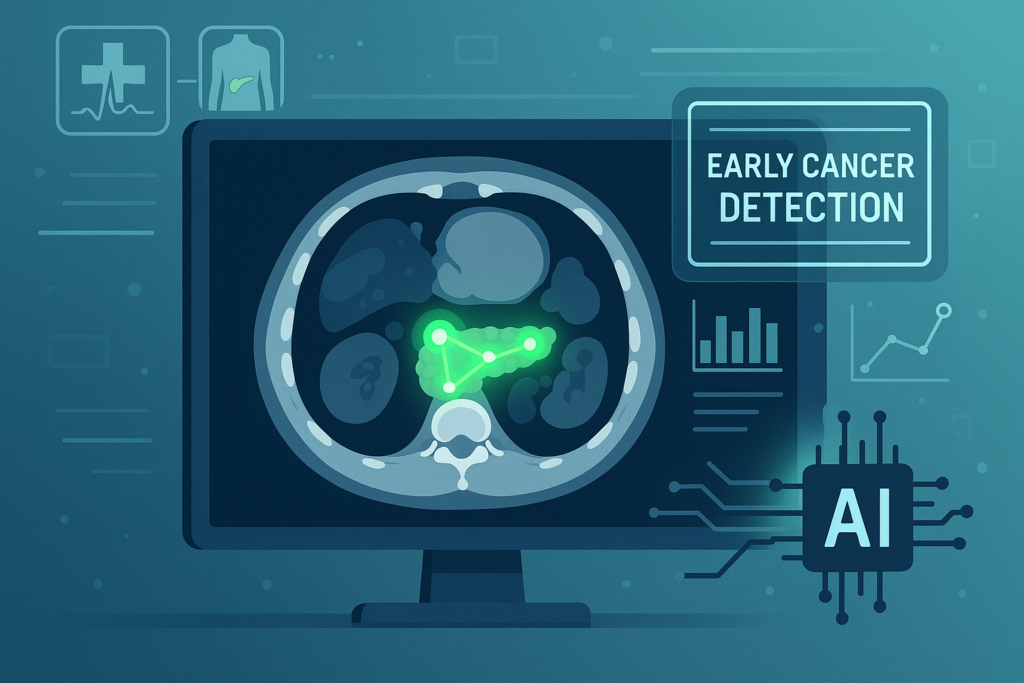
Mayo Clinic’s REDMOD AI flags pancreatic cancer on routine CT scans up to 3 years before diagnosis, identifying 73% of cases vs. 39% for specialists alone.