The 2026 Supplement Awards: What It Takes to Win
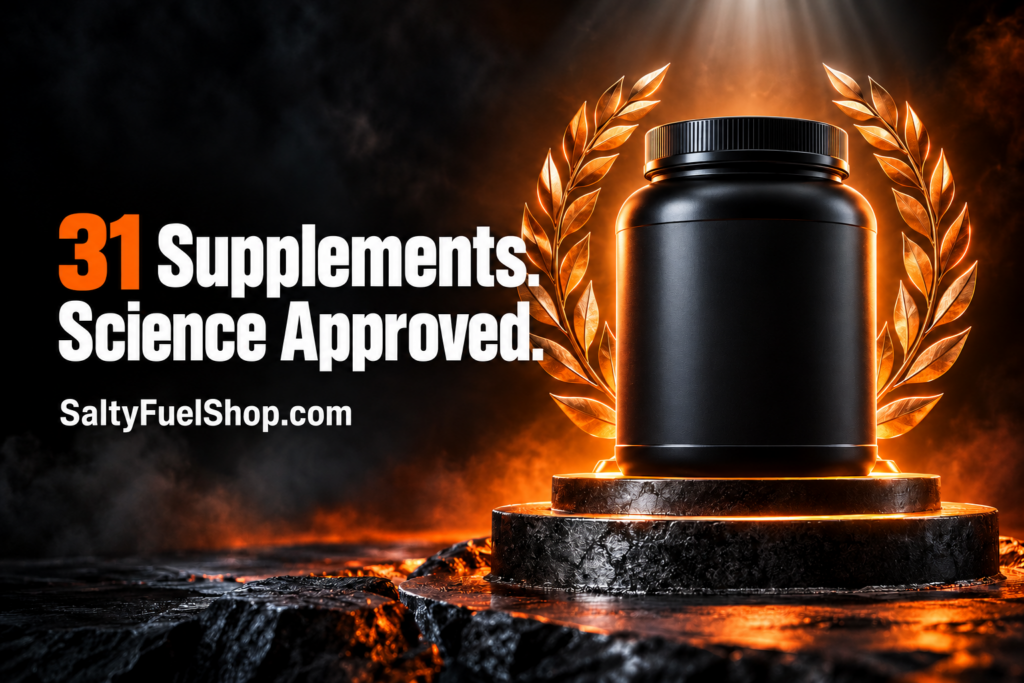
The first 2026 supplement awards judged products on third-party certification, published research, and taste. Here is how to apply those checks yourself.

The first 2026 supplement awards judged products on third-party certification, published research, and taste. Here is how to apply those checks yourself.
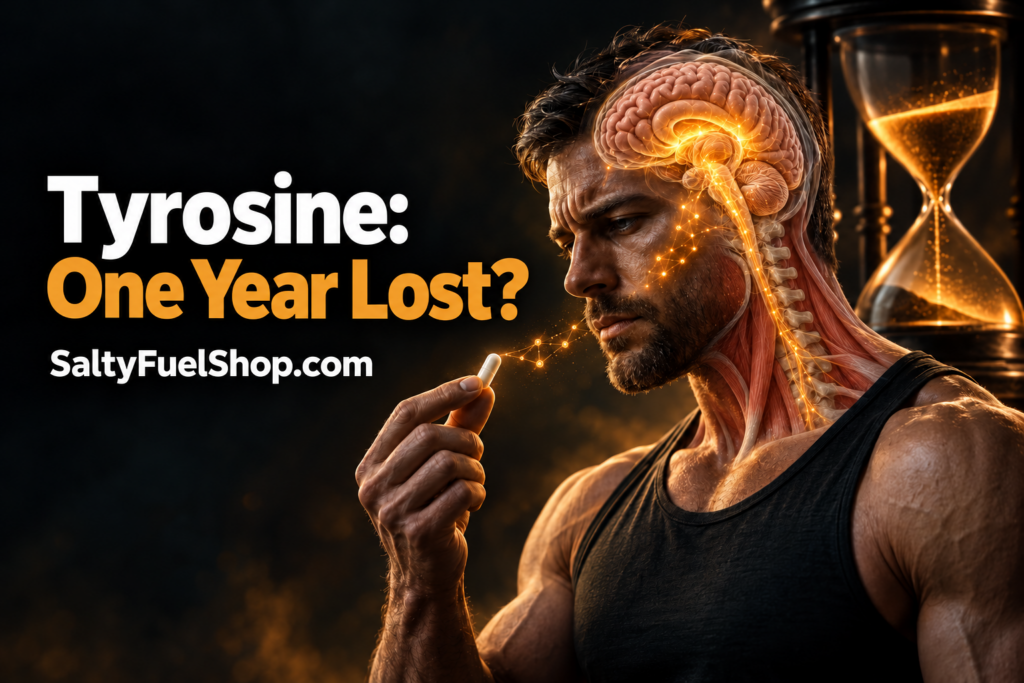
A 2025 UK Biobank study linked higher blood tyrosine to a shorter lifespan in men, with no significant effect in women. No supplement was tested.
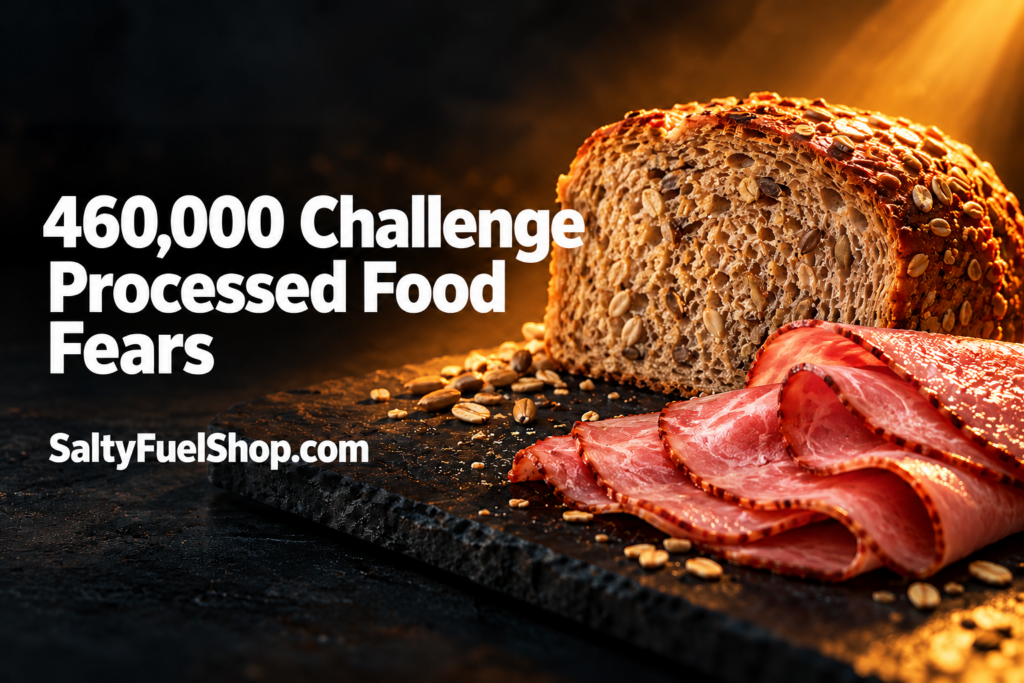
A study of more than 460,000 adults found total ultra-processed food intake was not linked to overall colorectal cancer risk, with the specific food mattering
Older adults generally need 75 mg of vitamin C daily for women and 90 mg for men. Learn how food, supplements and medication checks fit into everyday wellness.
A review examines 11 supplements for blood sugar, with promising findings for some, but medication interactions and limited evidence shape the advice.
Low vitamin D is linked in research to mood, PMOS symptoms, and sleep apnea in women, but the findings do not establish that supplements treat these conditions.
Barberries contain berberine, but the compound is concentrated in roots rather than fruit. Research on supplements is promising but limited.
A meta-analysis and a long-running physicians’ cohort link higher nut consumption to lower hypertension risk, with potassium intake and salt reduction shaping
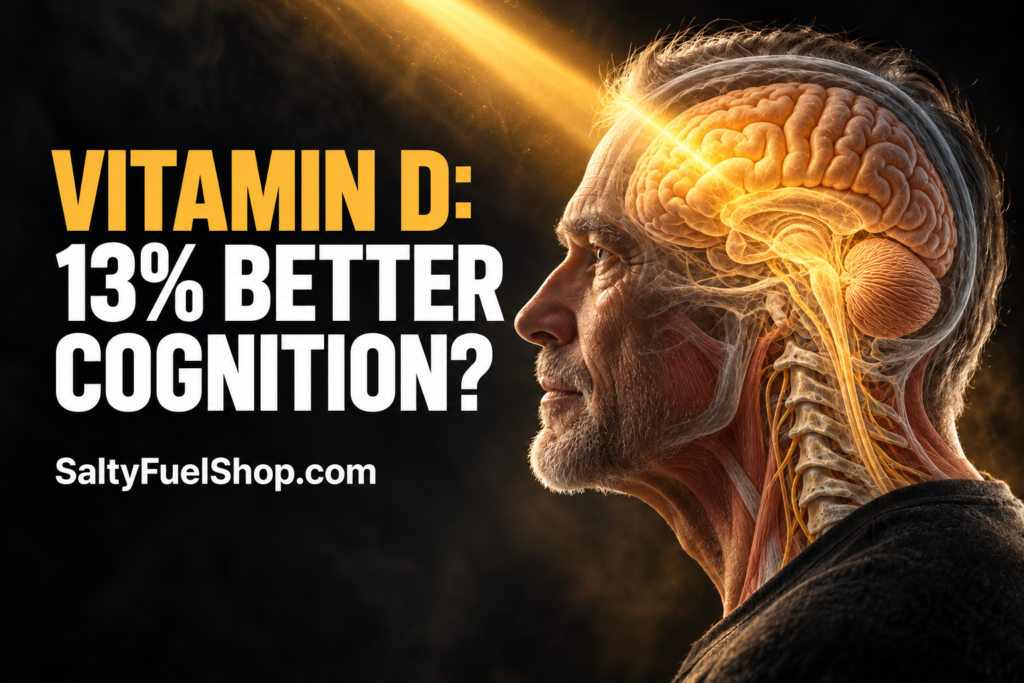
A 54-person study linked daily vitamin D intake of at least 5,000 IU with higher cognitive scores in adults with MCI and disturbed sleep.
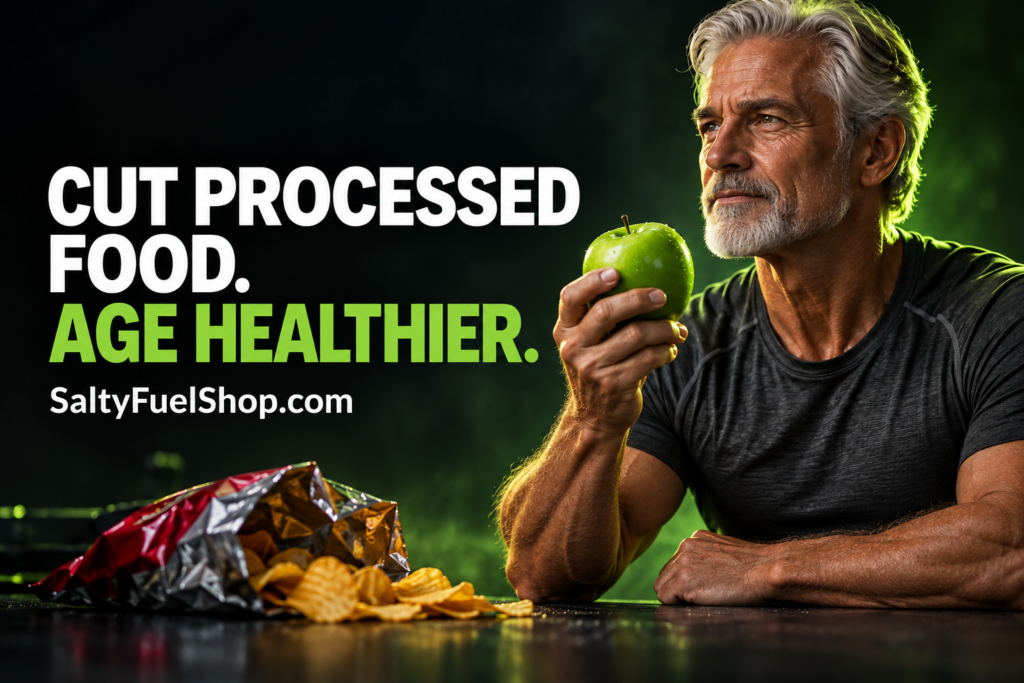
A controlled feeding trial found that older adults who cut ultra-processed foods saw rapid gains in insulin sensitivity, cholesterol, and inflammation in eight
Chia Seeds May Be a Smart Addition to Your Pre-Workout Snack


Exercise May Work Better for Keeping Weight Off Than Losing It

Study of 460,000 People Challenges Ultra-Processed Food Cancer Fears