Methylene blue is an FDA-approved drug for methemoglobinemia and a surgical marker, now drawing attention in preclinical cancer research. Lab and animal studies suggest it may push tumor cells back toward normal oxidative metabolism, trigger oxidative stress selectively in malignant cells, suppress key growth and immune-evasion pathways, and enhance photodynamic therapy.
Why Cancer Researchers Are Looking at Methylene Blue
Most cancers share a metabolic trait called the Warburg effect, where tumor cells rely heavily on glycolysis (sugar fermentation) even when oxygen is available. This gives tumors a competitive advantage in low-oxygen environments known as hypoxia. Standard treatments like chemotherapy and radiation can unintentionally worsen this hypoxic state, making some tumors harder to treat over time.
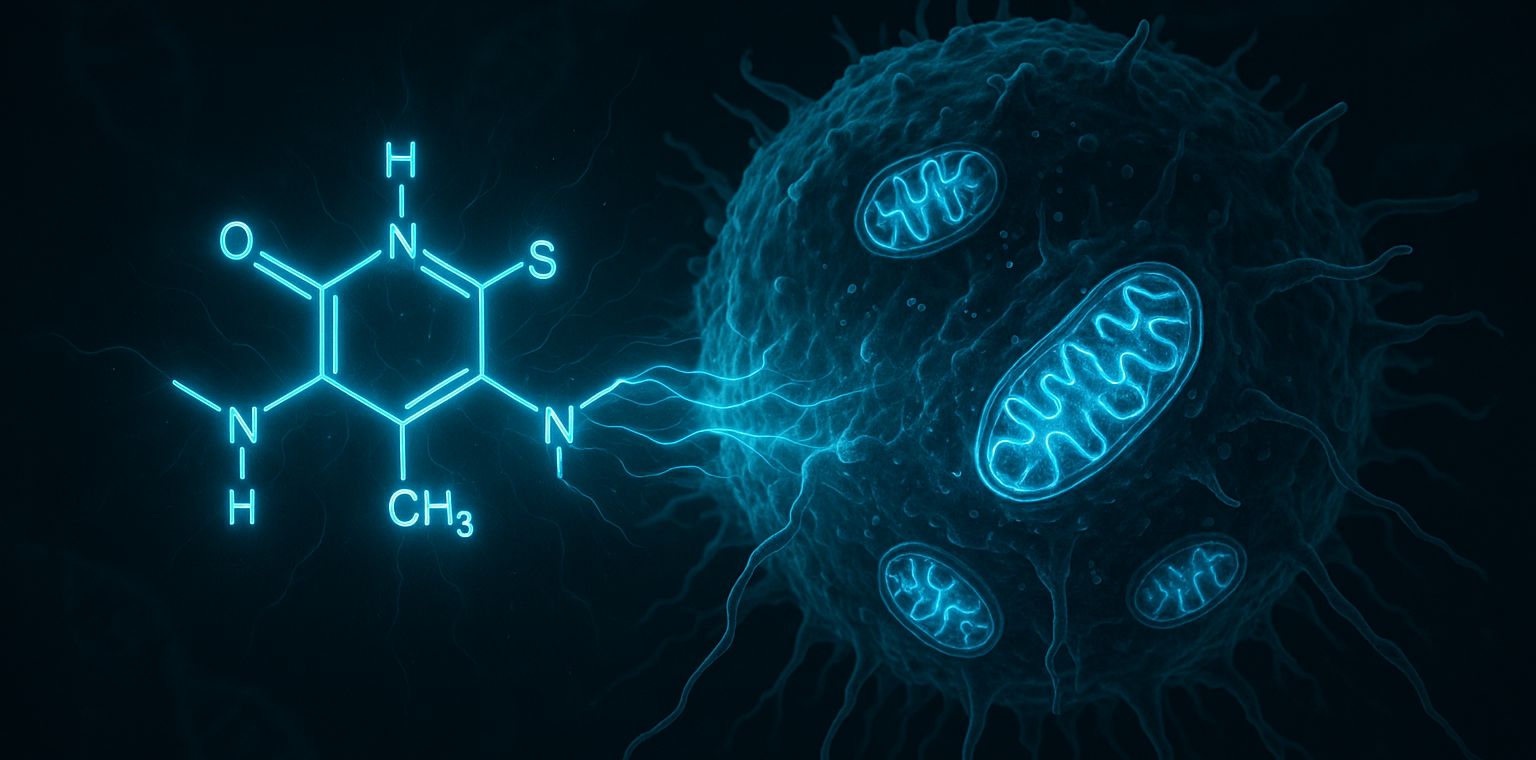
Methylene blue works differently. It is what researchers call a redox-cycling compound, meaning it can donate and accept electrons. Inside cancer cells, it redirects electron flow within the mitochondria, bypassing dysfunctional segments that tumors exploit, and forcing malignant cells back toward normal oxidative metabolism. This metabolic shift is the foundation of its anti-cancer interest.
What Are the Three Key Mechanisms Being Studied?
1. Oxidative stress in cancer cells
Methylene blue increases reactive oxygen species (ROS) specifically within cancer cells, triggering apoptosis (programmed cell death). Importantly, healthy cells, which have more robust antioxidant defenses, appear less vulnerable to this effect. A 2024 study demonstrated that methylene blue metabolic therapy effectively restrained ovarian tumor growth in vivo, with particular promise for platinum-resistant cases.
2. Signaling pathway suppression
Lab research shows methylene blue suppresses several molecular pathways that cancer cells use to grow and evade immune responses, including NF-kB (linked to apoptosis resistance), mTOR/AMPK (tumor growth signaling), and STAT3 (which drives cancer cell proliferation and immune evasion).
3. Photodynamic therapy enhancement
Methylene blue is a natural photosensitizer. When activated by certain wavelengths of light, it generates a burst of ROS at a specific site, which is the core mechanism behind photodynamic therapy (PDT). Researchers are exploring its use in PDT protocols for accessible tumors including skin, esophageal, and bladder cancers.
Which Cancer Types Are Currently Under Study?
Preclinical research has evaluated methylene blue against a range of malignancies:
- Glioblastoma and brain tumors (notably, methylene blue crosses the blood-brain barrier)
- Breast cancer (as a post-surgical adjunct to eliminate residual microscopic cells)
- Melanoma
- Ovarian cancer (especially platinum-resistant)
- Colorectal tumors
- Prostate cancer
For glioblastoma specifically, combined methylene blue and temozolomide therapy has shown potential additive effects on cell cycle arrest in early research.
What Does This Mean Right Now?
Methylene blue is not an approved cancer treatment. The research is promising but still largely preclinical, meaning most studies have been conducted in labs and animal models rather than large-scale human trials. Clinical evidence in humans remains limited, and rigorous randomized controlled trials are needed before any conclusions about efficacy can be drawn.
That said, the compound has several properties that make it an attractive subject for continued investigation: it is inexpensive, has a long safety record in its approved uses, crosses the blood-brain barrier, and appears to target cancer cell metabolism through a mechanism that differs from conventional treatments.
Anyone interested in methylene blue for health purposes should consult a licensed physician before use. Current medical literature places all cancer-related applications firmly in the investigational category.
Source: The Wellness Company