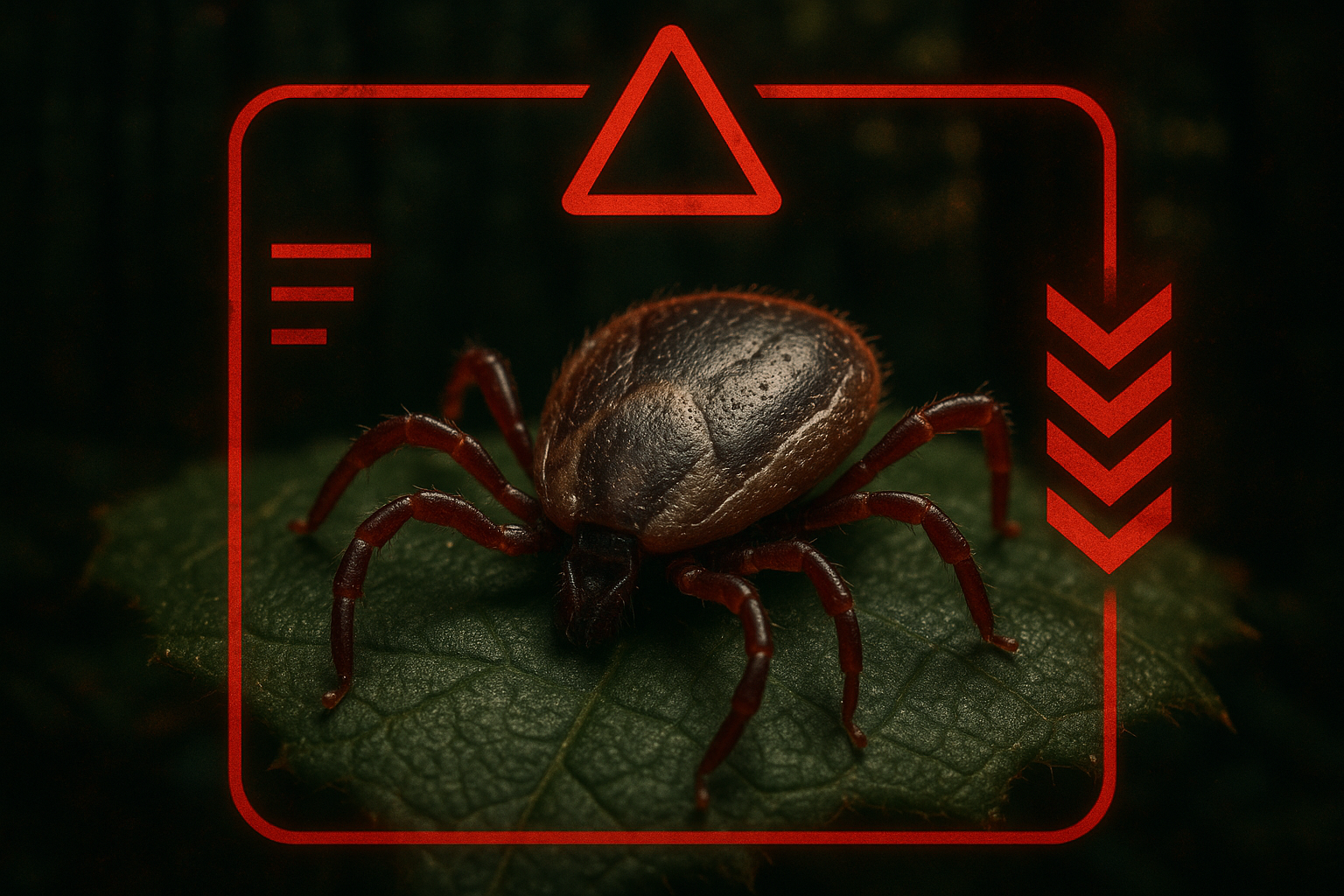
The CDC has confirmed that emergency room visits for tick bites are at their highest level in nearly a decade. Weekly ER visit rates in spring 2026 are running 25% above last year’s pace, and experts say the season is only getting started.
"We are seeing more ticks in more places and carrying more and more diseases," said Joellen Lampman of Cornell University.
Why Are There More Ticks Than Ever in 2026?
Warmer winters, expanded deer populations, and shifting land use patterns have combined to create ideal tick habitat across a wider geographic area than at any point in recorded history. The lone star tick alone has expanded its range dramatically northward, now established in New England states like Connecticut, New York, and Massachusetts, and pushing into Minnesota and Wisconsin.
The Southeast has always been ground zero for the lone star tick, but today it’s a problem from Maine to Miami. People who never had to worry about ticks before are now getting bitten.
Which Tick Species Should You Know in 2026?
Not all ticks carry the same diseases.
The Blacklegged Tick (Deer Tick) — Ixodes scapularis
Primary carrier of Lyme disease, anaplasmosis, and babesiosis. Found throughout the Northeast, Upper Midwest, and increasingly the Southeast. The tick responsible for the bulk of the 476,000+ Lyme diagnoses each year.
The Lone Star Tick — Amblyomma americanum
Named for the single white dot on the female’s back. This is the species getting the most attention right now, and for good reason. The lone star tick is responsible for:
- Ehrlichiosis — a bacterial infection that can turn severe fast without treatment
- Alpha-Gal Syndrome (AGS) — a life-altering, potentially life-threatening red meat allergy
- STARI (Southern Tick-Associated Rash Illness) — a Lyme-like illness that causes a bull’s-eye rash
- Tularemia — a rare but serious bacterial infection
All three life stages of the lone star tick — larvae, nymphs, and adults — can transmit alpha-gal syndrome. Larvae are most active July through October, and a single outdoor outing can result in dozens of bites at once, each one a potential AGS trigger.
The American Dog Tick — Dermacentor variabilis
The primary vector of Rocky Mountain Spotted Fever (RMSF), one of the most dangerous tick-borne diseases in the country. RMSF has a fatality rate that approaches 20-25% if untreated, and it can kill within days.
Alpha-Gal Syndrome: The Tick Bite That Turns Red Meat Into a Threat
Of all the tick-related health issues exploding in 2026, Alpha-Gal Syndrome may be the most underreported and least understood. A VCU Health study found a 100-fold increase in positive test results for alpha-gal antibodies between 2013 and 2024. In 2025, a New Jersey man became the first person in recorded history to die directly from an alpha-gal reaction after eating a hamburger.
What Is Alpha-Gal?
Alpha-gal is a sugar molecule (galactose-alpha-1,3-galactose) found in the tissues of most mammals, including beef, pork, lamb, and venison. Humans naturally produce antibodies against it, but when a lone star tick bites you, it injects alpha-gal from its own gut into your bloodstream. Your immune system gets primed to treat it as a foreign invader. The next time you eat red meat or dairy, your immune system launches an allergic attack.
What Are the Symptoms of Alpha-Gal Syndrome?
Reactions typically occur 2 to 6 hours after eating, not immediately. By the time symptoms hit, most people have forgotten what they ate hours earlier and often blame something else entirely. Symptoms range from mild to life-threatening:
- Hives, rash, or skin flushing
- Nausea, stomach cramps, vomiting, diarrhea
- Shortness of breath, wheezing
- Drop in blood pressure
- Anaphylaxis (approximately 60% of AGS patients experience this)
Reactions can be triggered by beef, pork, lamb, venison, rabbit, and for some patients, dairy products. Even medications or medical products containing mammalian-derived gelatin can trigger a reaction.
How Is Alpha-Gal Syndrome Treated or Managed?
There is currently no cure for Alpha-Gal Syndrome. Management options include:
- Dietary elimination — strict avoidance of red meat and, for some, dairy
- Antihistamines — for mild reactions
- Epinephrine auto-injector (EpiPen) — anyone with severe AGS must carry one at all times
- Xolair (omalizumab) — FDA-approved to help prevent accidental reactions in some patients
Roughly 20-30% of patients see their alpha-gal antibodies decline over time, especially if they avoid further tick bites.
Key point for Southerners and outdoors people in the Southeast: If you develop an unexplained allergic reaction 2-6 hours after eating, especially if you spend time outdoors, consider talking to a doctor about getting tested for alpha-gal antibodies. Many cases go undiagnosed for years while patients are misdiagnosed with irritable bowel syndrome or other conditions.
What Do Hospitals Actually Do After a Tick Bite?
Walk into any emergency room or urgent care after a tick bite and, if certain criteria are met, a person may receive a single 200mg dose of doxycycline. Preventatively. Whether you have symptoms or not. This is the standard of care endorsed by the IDSA (Infectious Diseases Society of America), the AAP (American Academy of Pediatrics), and the CDC.
The 72-Hour Prophylaxis Window
The critical number is 72 hours. Prophylactic doxycycline must be taken within 72 hours of tick removal to be effective. After 72 hours, prophylaxis is no longer recommended and the focus shifts to monitoring for symptoms.
Who Qualifies for Prophylactic Doxycycline?
All of these criteria must be met:
- The tick is identified as an Ixodes species (deer tick / blacklegged tick)
- You are in or recently visited a Lyme-endemic area
- The tick was attached for 36 hours or more (engorged appearance is a strong indicator)
- You can receive the antibiotic within 72 hours of tick removal
- You are not pregnant, nursing, or under 8 years old (doxycycline is generally contraindicated in these groups)
If you don’t meet all criteria, the current recommendation is watchful waiting, monitoring for symptoms of Lyme disease for 30 days after the bite.
Prophylactic Doxycycline Dosing by Weight
- Adults and children over 45 kg (99 lbs): Single 200mg dose of doxycycline
- Children 8 and older, between 25-45 kg: 4 mg/kg up to the 200mg adult maximum
- Children under 8: Doxycycline is generally not used; physician guidance required
An Important Caveat About Prophylaxis
Prophylactic doxycycline only targets Lyme disease. It does not prevent Rocky Mountain Spotted Fever, ehrlichiosis, anaplasmosis, or Alpha-Gal Syndrome. Those require separate monitoring, testing, and treatment protocols.
How Are Tick-Borne Illnesses Treated Disease by Disease?
Untreated or unsuccessfully treated tick-borne illnesses require targeted clinical care.
Lyme Disease Treatment
First-line treatment: Doxycycline 100mg twice daily for 10-21 days (adults), or amoxicillin/cefuroxime for those who can’t take doxycycline. For late-stage neurological Lyme, IV ceftriaxone may be required.
Early symptoms to watch (3-30 days post-bite): Bull’s-eye rash (erythema migrans), fever, fatigue, headache, muscle/joint aches. Note: up to 30% of Lyme patients never develop the rash, so don’t wait for it.
Ehrlichiosis Treatment
First-line treatment: Doxycycline 100mg twice daily for a minimum of 10 days, continued for at least 3 days after fever breaks. Clinical response is typically rapid, with defervescence within 24-48 hours of starting treatment.
Early symptoms (1-2 weeks post-bite): Sudden fever, severe headache, muscle aches, chills. A rash appears in only about 30% of adult ehrlichiosis cases. Untreated, it can progress to respiratory failure, organ damage, and death.
Anaplasmosis Treatment
First-line treatment: Doxycycline 100mg twice daily for 10 days. Same protocol as ehrlichiosis. Even in pregnant women and young children, the CDC indicates the benefits of doxycycline outweigh the risks for these serious infections.
Early symptoms (1-2 weeks post-bite): Fever, headache, muscle pain, malaise. Can cause severe complications including respiratory distress and neurological symptoms if untreated.
Rocky Mountain Spotted Fever (RMSF) Treatment
First-line treatment: Doxycycline 100mg IV or PO twice daily. This is a medical emergency. RMSF can be fatal within days of symptom onset, and treatment should begin immediately if RMSF is suspected, without waiting for lab confirmation.
Early symptoms (2-14 days post-bite): Sudden high fever, severe headache, nausea, and within 2-4 days, a characteristic rash starting on wrists and ankles that spreads inward. The rash may be absent or appear late, making early diagnosis difficult.
Fatality rate without treatment: 20-25%. With prompt doxycycline treatment: less than 1%.
Babesiosis Treatment
Treatment: Atovaquone plus azithromycin for mild-moderate cases; clindamycin plus quinine for severe cases. Some patients with severe babesiosis require blood transfusions or dialysis. Those without a spleen are at extremely high risk.
Symptoms: Flu-like illness, hemolytic anemia, dark urine. Symptoms may not appear for weeks to months.
What Should You Do Step by Step After a Tick Bite?
- Remove the tick immediately using fine-tipped tweezers. Grasp close to the skin. Pull upward with steady, even pressure. Do not twist, crush, or use petroleum jelly or heat.
- Save the tick in a sealed container or zip-lock bag. Note the date. Some testing companies and state health departments can test the tick for pathogens.
- Photograph the bite site with your phone. This documents any rash development over the following days.
- Note how long it was attached. If it was engorged or you cannot tell, assume it was attached long enough to warrant a physician visit.
- Contact a doctor within 24 hours. If you are in a Lyme-endemic area and the tick appears to have been attached 36+ hours, ask specifically about doxycycline prophylaxis. Do not wait.
- Watch for symptoms for 30 days. Monitor for rash, fever, fatigue, headache, and joint pain. Seek immediate care if any develop.
What Tick Prevention Actually Works?
- DEET (20-30%) applied to exposed skin is the gold standard. Reapply every 4-8 hours.
- Permethrin applied to clothing and gear kills ticks on contact. A single treatment can last through multiple washes. Do not apply permethrin directly to skin.
- Clothing choices matter: Long pants tucked into socks, light colors to spot ticks easily.
- Tick checks after every outing: Focus on scalp, behind ears, under arms, inside elbows, belly button, groin, and behind knees.
- Shower within 2 hours of coming indoors from tick habitat. Studies show this reduces tick-borne disease risk significantly.
- Treat your yard: Acaricides (tick-killing pesticides) applied to yard perimeters, and keeping grass mowed short, reduce tick habitat around your home.
The Bottom Line on Ticks in 2026
The tick situation in 2026 is not overblown. The CDC data is real, the range expansion of the lone star tick is documented, and Alpha-Gal Syndrome is spreading with it into regions that have never seen it before. The most important takeaways:
- 72 hours may be your window. If you’re bitten by a deer tick in a Lyme-endemic area and it was attached 36+ hours, see a doctor and ask about doxycycline prophylaxis before that window closes.
- Doxycycline is the backbone of treatment for Lyme disease, ehrlichiosis, anaplasmosis, and RMSF. It should not wait for lab confirmation in serious cases.
- Alpha-Gal Syndrome is permanent for most people. A single lone star tick bite can end your ability to eat red meat for life. This is not a hypothetical risk in the South.
- RMSF can reportedly kill within days. If you develop fever, severe headache, and a rash after a tick bite, go to the ER. Do not wait.
- Prevention is cheaper than treatment. DEET, permethrin-treated clothing, and daily tick checks cost almost nothing compared to a Lyme disease diagnosis that can take years to recover from.
Do it informed and protected, and know what to do if the worst happens.
FAQ
How long after a tick bite can you take doxycycline to prevent Lyme disease?
Prophylactic doxycycline may be taken within 72 hours of tick removal. Studies show it reduces Lyme disease risk by about 87% in that window, with pooled efficacy across multiple studies of around 78%. After 72 hours, prophylaxis is no longer recommended and the focus shifts to monitoring for symptoms.
Can a single tick bite cause a permanent red meat allergy?
Yes. A lone star tick bite can trigger Alpha-Gal Syndrome, an allergy to red meat and sometimes dairy. A VCU Health study found a 100-fold increase in positive alpha-gal antibody tests between 2013 and 2024, and in 2025 a New Jersey man became the first recorded person to die directly from an alpha-gal reaction after eating a hamburger. Roughly 20-30% of patients see their antibodies decline over time, but many carry the allergy for life.
Does prophylactic doxycycline protect against all tick-borne diseases?
No. Prophylactic doxycycline only targets Lyme disease. It does not prevent Rocky Mountain Spotted Fever, ehrlichiosis, anaplasmosis, or Alpha-Gal Syndrome, all of which require separate monitoring, testing, and treatment protocols.
This article is informational and not medical advice. See a licensed healthcare provider for diagnosis and treatment of tick-borne illnesses.
Related coverage