Scientists discover how exercise reverses muscle aging
Animal research links exercise to lower DEAF1 activity, better protein turnover and stronger muscles, but human benefits still need confirmation.

Animal research links exercise to lower DEAF1 activity, better protein turnover and stronger muscles, but human benefits still need confirmation.
Two observational studies linked diets rich in six antioxidant nutrients with lower lung cancer risk, but they do not prove cause and effect.
Cooling cooked rice, potatoes and pasta can increase resistant starch, but the amount depends on the food and method. Here is what human studies show.
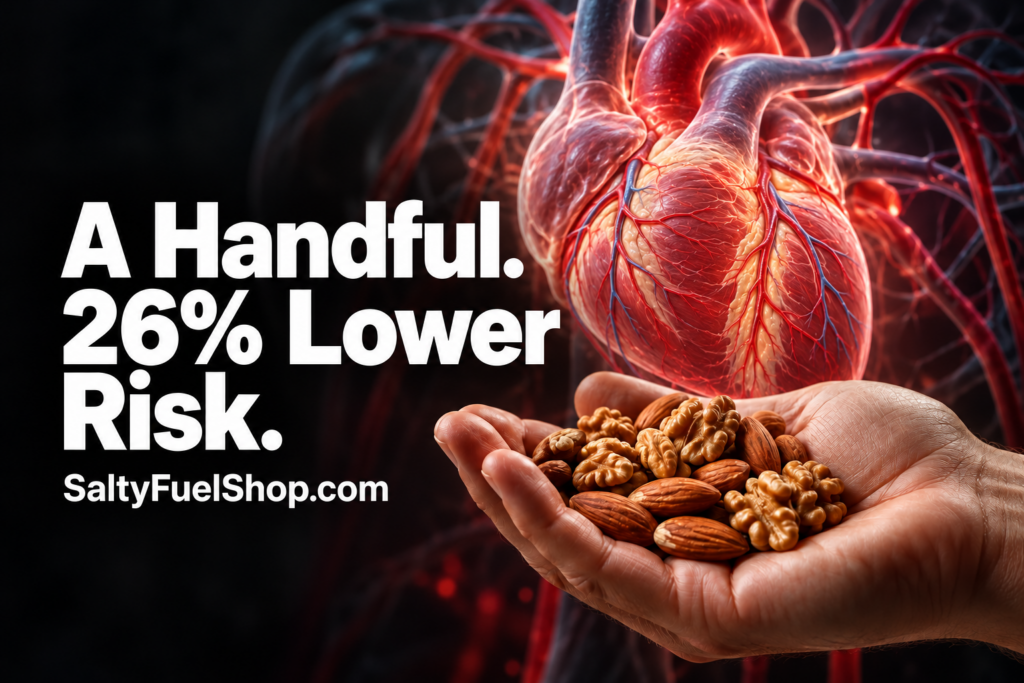
A meta-analysis and a long-running physicians’ cohort link higher nut consumption to lower hypertension risk, with potassium intake and salt reduction shaping
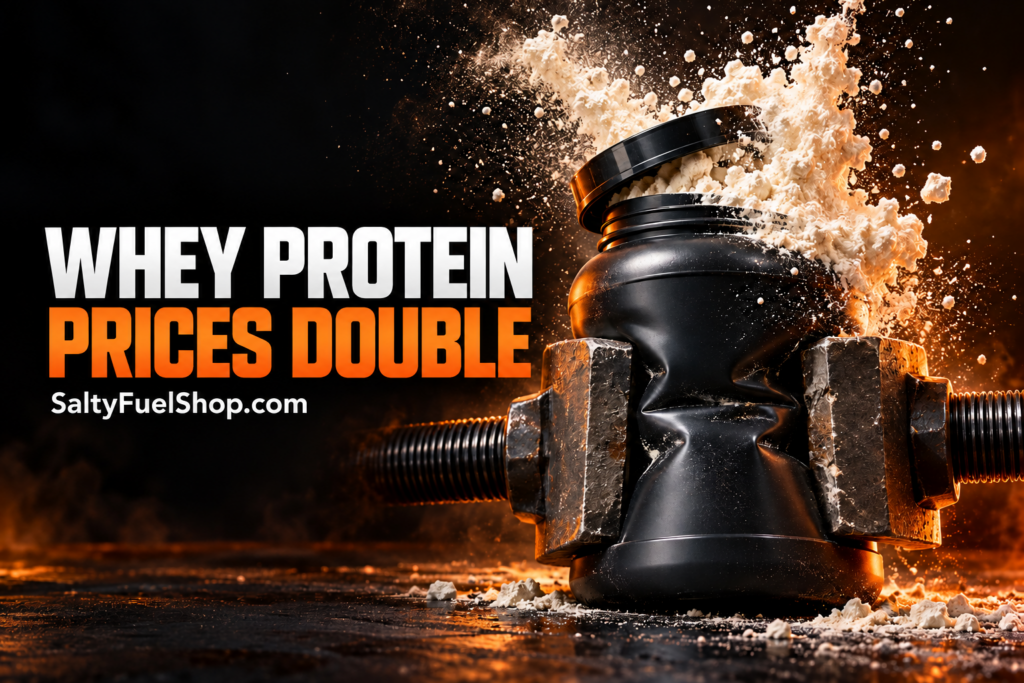
Whey protein powder costs almost twice what it did in 2021. Here is what is driving the spike and practical ways to protect your grocery budget.
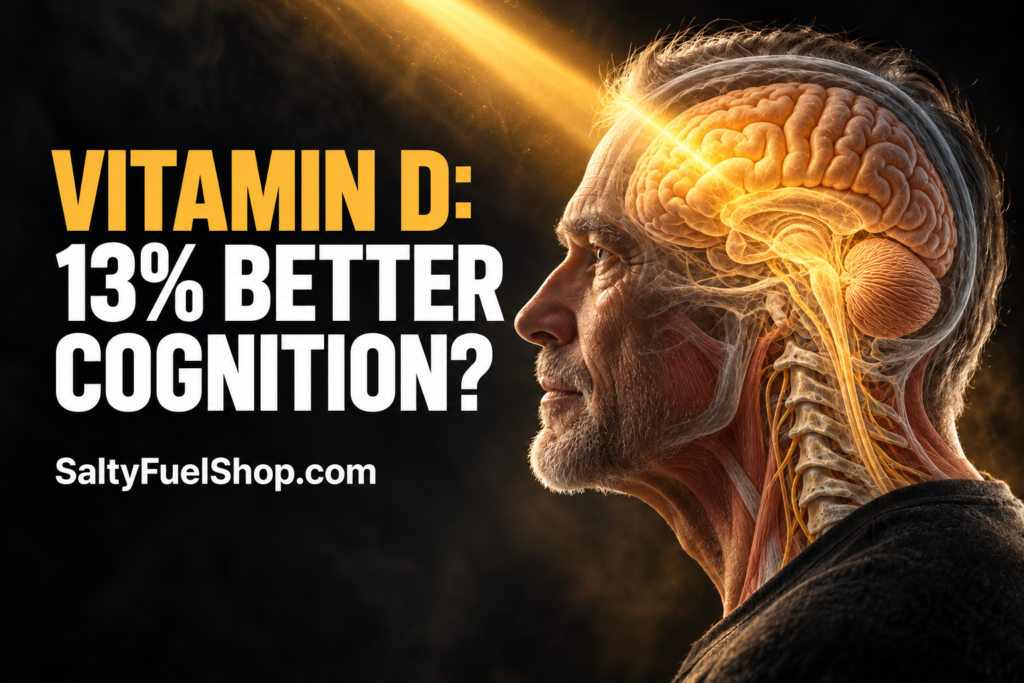
A 54-person study linked daily vitamin D intake of at least 5,000 IU with higher cognitive scores in adults with MCI and disturbed sleep.
A scoping review of 28 randomized controlled trials finds tart cherry juice is best for muscle strength recovery after intense exercise, with mixed results for
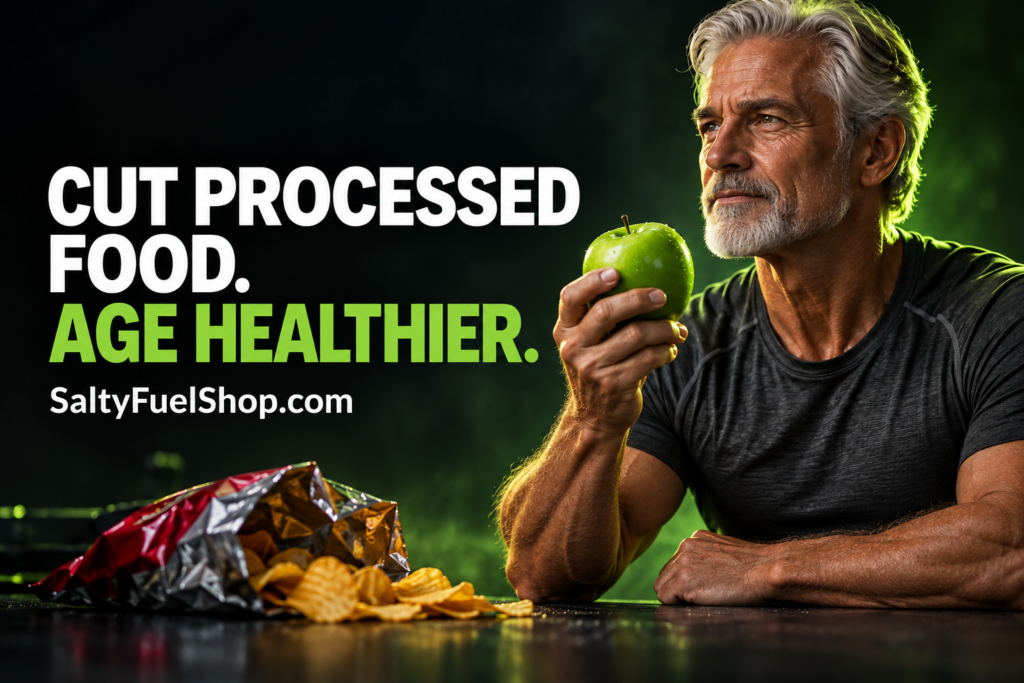
A controlled feeding trial found that older adults who cut ultra-processed foods saw rapid gains in insulin sensitivity, cholesterol, and inflammation in eight
Restaurants can add four self-reported menu labels in Google Business Profiles. Here is how the setup works and what each label does not guarantee.
Turmeric, black pepper and ginger can be used together in everyday meals. Research supports some potential benefits, but supplements require extra care.
A review of seven studies covering 8,922 postmenopausal women found that higher protein intake was associated with stronger handgrip strength.
A JAMA study of U.S. adults found a higher daily step count was linked to lower death risk, with total steps mattering more than walking speed.
Two peer-reviewed 2026 studies link consistent exercise routines to fewer depressive symptoms and more restful sleep, with regularity mattering most.
A two-year University of Liverpool trial found diet soft drinks worked as well as water for weight loss, with no signs of appetite or metabolic harm.
A review of 22 studies found the trans fats naturally in milk, butter, yogurt and cheese were not linked to higher heart disease or diabetes risk.

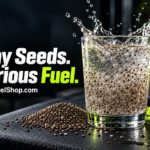
Chia Seeds May Be a Smart Addition to Your Pre-Workout Snack


Exercise May Work Better for Keeping Weight Off Than Losing It

Study of 460,000 People Challenges Ultra-Processed Food Cancer Fears