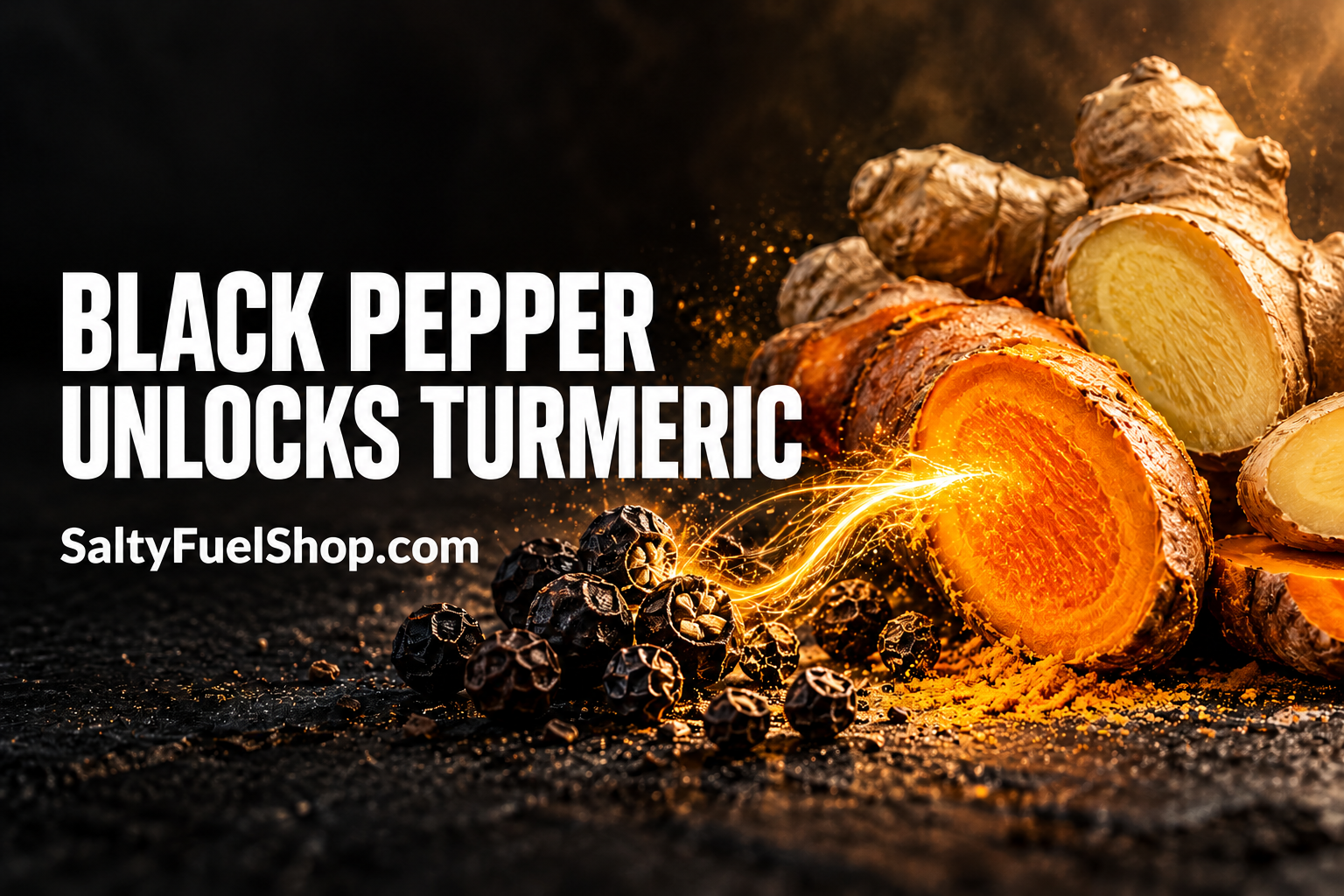
Turmeric, black pepper and ginger can add flavor to everyday meals while supplying compounds of interest for health. The strongest practical point for shoppers is that black pepper may improve curcumin absorption, while fat can improve it further.
The evidence is promising but limited. A small osteoarthritis trial found that a turmeric, black pepper and ginger formulation changed one inflammatory marker similarly to naproxen over four weeks, while another crossover trial found lower reported pain with culinary amounts of turmeric, with or without black pepper.
What do turmeric, black pepper and ginger contribute?
Turmeric contains curcumin, a biologically active compound. It has been used for thousands of years in Ayurvedic medicine and traditional Chinese medicine. Harvard Health notes that curcumin is the compound chiefly responsible for turmeric’s potential health benefits.
Black pepper contains piperine, which may increase curcumin absorption by as much as 2,000%. The source article describes this as the reason traditional golden milk recipes include pepper. Fat may also help because curcumin is fat-soluble. The source article identifies coconut oil, whole milk and ghee as healthy fats that may further enhance absorption.
Ginger contains gingerol, a bioactive compound associated with its own health-supporting properties. Researchers have proposed that gingerols and piperine may help sustain curcumin’s effect on joint-related pathways.
What did the osteoarthritis study find?
A randomized, double-blind controlled trial published in Phytotherapy Research included 60 patients with grade 2 or grade 3 chronic knee osteoarthritis. Participants received either a turmeric extract with ginger and black pepper or naproxen for four weeks. The researchers measured prostaglandin E2, an inflammatory marker, with ELISA and also collected 24-hour dietary recalls.
Prostaglandin E2 fell significantly in both groups, with no statistically significant difference between them. All participants completed the study. The authors concluded that the herbal combination, taken twice daily for four weeks, may improve prostaglandin E2 levels similarly to naproxen in this group. The study abstract is available through PubMed.
Can culinary amounts of turmeric help with pain?
A randomized crossover clinical trial tested turmeric at culinary ranges in adults aged 40 and older with moderate chronic pain. The study enrolled 30 participants, with 10 assigned to each turmeric amount of 300 milligrams, 1 gram or 3 grams. Participants reported pain by text message three times per day during a 21-day trial.
Average pain ratings fell from baseline to week 3, and the change was statistically significant. The groups did not differ significantly from one another. In other words, adding black pepper did not produce a statistically different result from turmeric alone in this small trial, and neither the presence of pepper nor the three turmeric amounts showed significant differences between groups. The researchers said the results support further study of turmeric as a dietary option for chronic pain management. Read the full crossover trial.
What do broader reviews say about culinary spices?
A 2019 review in the Journal of AOAC International covered the bioactive compounds found in culinary herbs and spices. It reported evidence for antioxidant, anti-inflammatory, antitumorigenic, anticarcinogenic, glucose-lowering and cholesterol-lowering activities. Frequent consumption of spicy foods was linked with a lower risk of death from cancer and ischemic heart, respiratory and other diseases. The review also said that the actual role of spices and herbs in preventing chronic disease remains unclear. The review abstract lists ginger, black pepper and turmeric among the spices covered.
How can you use the three spices in everyday meals?
Cooking is the simplest starting point. The source article says there are no known health risks from a few teaspoons of turmeric daily in food form, and turmeric can be added to:
- Root vegetables and dark leafy greens
- Eggs, rice, quinoa and other grains
- Salad dressings and sauces
- Golden milk
- Soups, broths, roasted vegetables and lentil or bean stews
Adding a small amount of black pepper and some fat can improve curcumin absorption. Harvard Health describes golden milk as a combination of one to two teaspoons of turmeric with one cup of warm milk, black pepper, cinnamon and honey or maple syrup, simmered gently for about 10 minutes.
What should you know before choosing a supplement?
Concentrated products differ from spices used as food ingredients. Turmeric spice generally contains 2% to 9% curcumin, while supplements may contain as much as 95%, according to Harvard Health. Harvard Health says turmeric is likely to cause abdominal pain, nausea and diarrhea when taken in high doses.
The source article says pregnant and breastfeeding women should avoid concentrated curcumin supplements because safety research is limited. The source article also says concentrated curcumin can interact with medications like blood thinners, including aspirin and Plavix, and that there is evidence it could interfere with hormone-sensitive cancer treatments or medications. It advises consulting a doctor first when considering supplements, especially if you take prescription medications.
Supplement content is not regulated by the FDA, so the amount on a label may not match the contents. Harvard Health also notes that ground turmeric has been identified as a source of lead exposure in the United States.
What to do now
- Add turmeric to a familiar dish, such as roasted vegetables, rice, soup, eggs or a grain bowl.
- Pair turmeric with a source of dietary fat, such as oil, whole milk or coconut oil, to support curcumin absorption.
- Use black pepper when flavor suits the dish, particularly in turmeric-based recipes such as golden milk.
- Add ginger to sauces, dressings, stir-fries or golden milk.
- If you are considering a concentrated supplement, consult a doctor first, especially if you take prescription medications, have an underlying health condition, are pregnant or are breastfeeding.
FAQ
How much does black pepper increase curcumin absorption?
The source article states that piperine in black pepper can increase curcumin absorption by up to 2,000%. A small crossover trial found lower reported pain with culinary amounts of turmeric, with or without black pepper, but the groups did not differ significantly.
Is it better to get turmeric from food or a supplement?
Food is the simpler starting point. The source article says a few teaspoons of turmeric daily in food form has no known health risks. It says concentrated curcumin can interact with blood thinners, including aspirin and Plavix, and that there is evidence it could interfere with hormone-sensitive cancer treatments or medications. It advises consulting a doctor first when considering supplements, especially if you take prescription medications.
Can turmeric, black pepper and ginger replace prescription anti-inflammatory medication?
In a 60-patient trial, the combination lowered prostaglandin E2 similarly to naproxen over four weeks, but the study measured one inflammatory marker rather than full clinical care.