Scientists Restore a Brain Protein and Reverse Signs of Aging in Mice
Restoring Menin improved several aging-related changes in mice, while D-serine improved cognition. Human benefits remain unproven.

Restoring Menin improved several aging-related changes in mice, while D-serine improved cognition. Human benefits remain unproven.
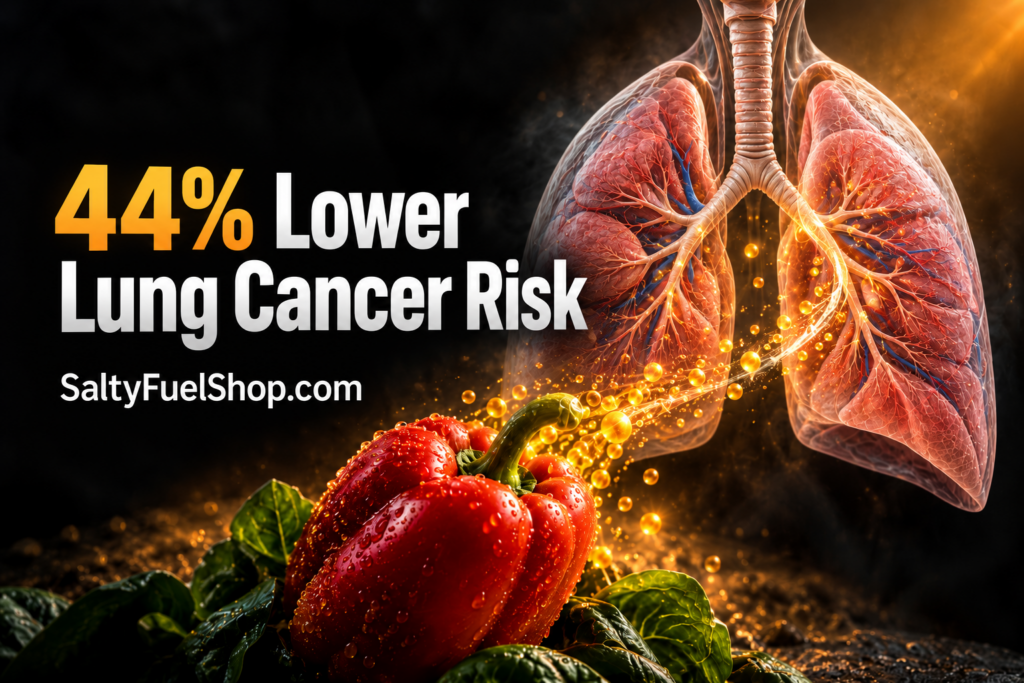
Two observational studies linked diets rich in six antioxidant nutrients with lower lung cancer risk, but they do not prove cause and effect.
A large U.S. cohort study found drinking sugar-sweetened beverages daily more than doubles gastric cancer risk, with risk concentrated in daily consumers.
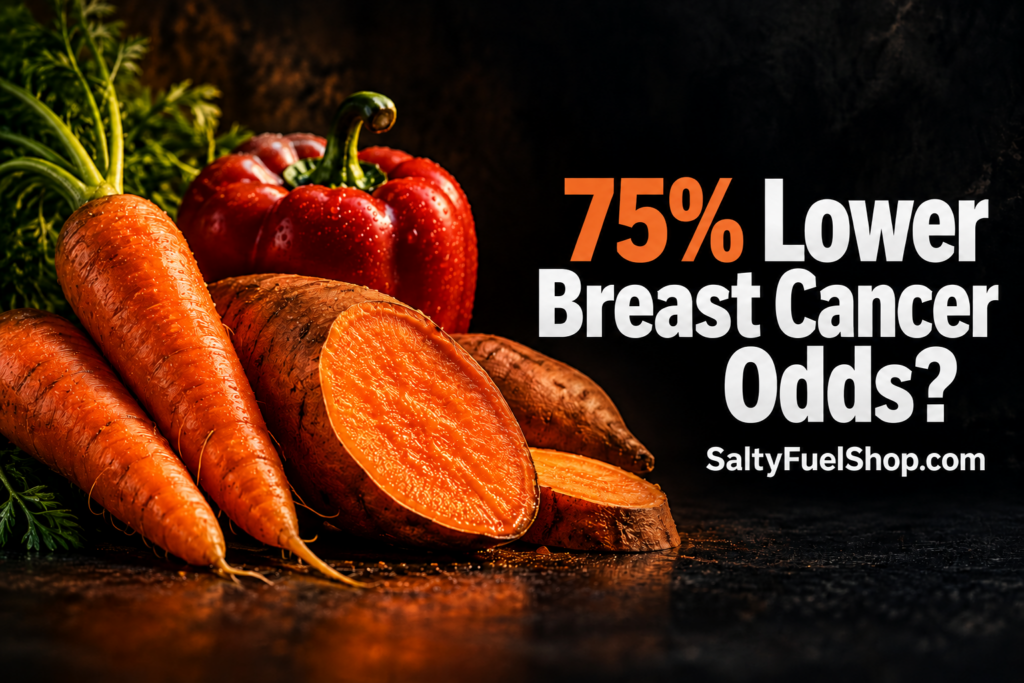
A 1,200-woman case-control study found up to 75% lower breast cancer risk with high carotenoid intake. Carrots, sweet potatoes, and red peppers led the pattern.
Study finds vitamin D deficient breast cancer surgery patients used more tramadol and reported more pain in the first 24 hours after mastectomy.
A UCL study of 59,218 adults found that losing just a few minutes of vigorous daily activity in older age was linked to a 15% higher cancer risk.
A 30-year study of 112,284 adults ties one daily sugar-sweetened beverage to 2.45 times the risk of stomach cancer.
A phase 2 trial found daily vitamin C linked to fewer deaths and fewer serious complications in people with precancerous blood disorders.
A large U.S. study of more than 17,000 men links higher ultra-processed food intake to a 24% to 31% higher risk of prostate cancer.
Melanoma rates have tripled since the 1970s despite widespread sunscreen use. Evidence links low vitamin D and chemical sunscreen absorption to rising skin cancer risk.

Chia Seeds May Be a Smart Addition to Your Pre-Workout Snack


Exercise May Work Better for Keeping Weight Off Than Losing It

Study of 460,000 People Challenges Ultra-Processed Food Cancer Fears