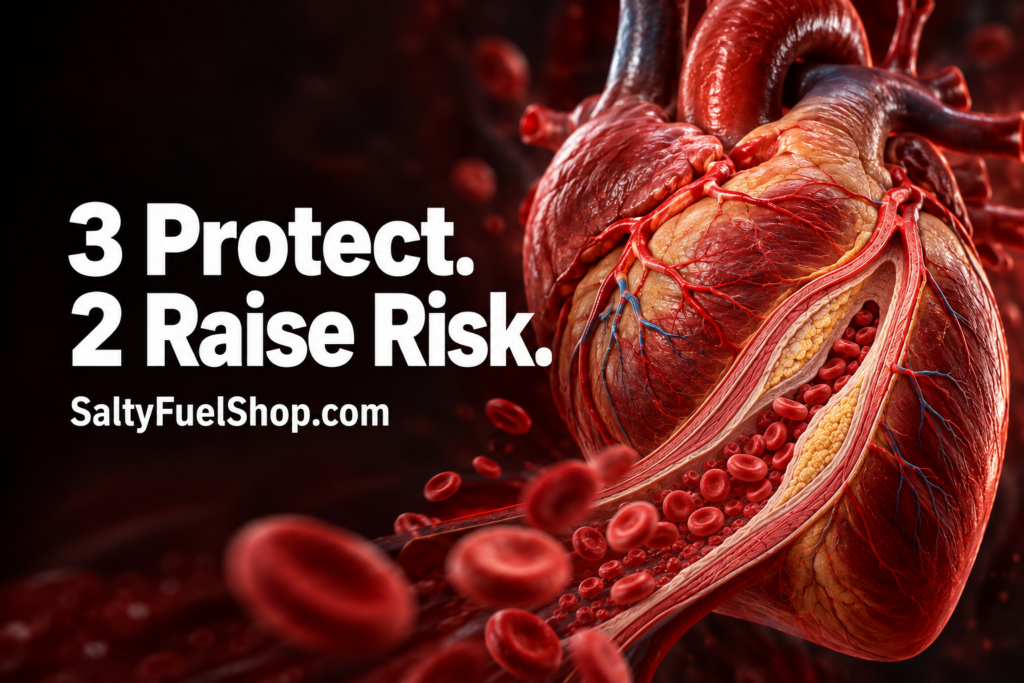
5 blood nutrients linked to heart disease risk in a 27-study analysis
A meta-analysis of 27 studies ties blood levels of five nutrients to heart disease risk, showing what circulates in the bloodstream may matter more than dietary

A meta-analysis of 27 studies ties blood levels of five nutrients to heart disease risk, showing what circulates in the bloodstream may matter more than dietary
A study of 150 adults aged 50 to 80 found that better physical function was linked to better hearing, independent of blood pressure.
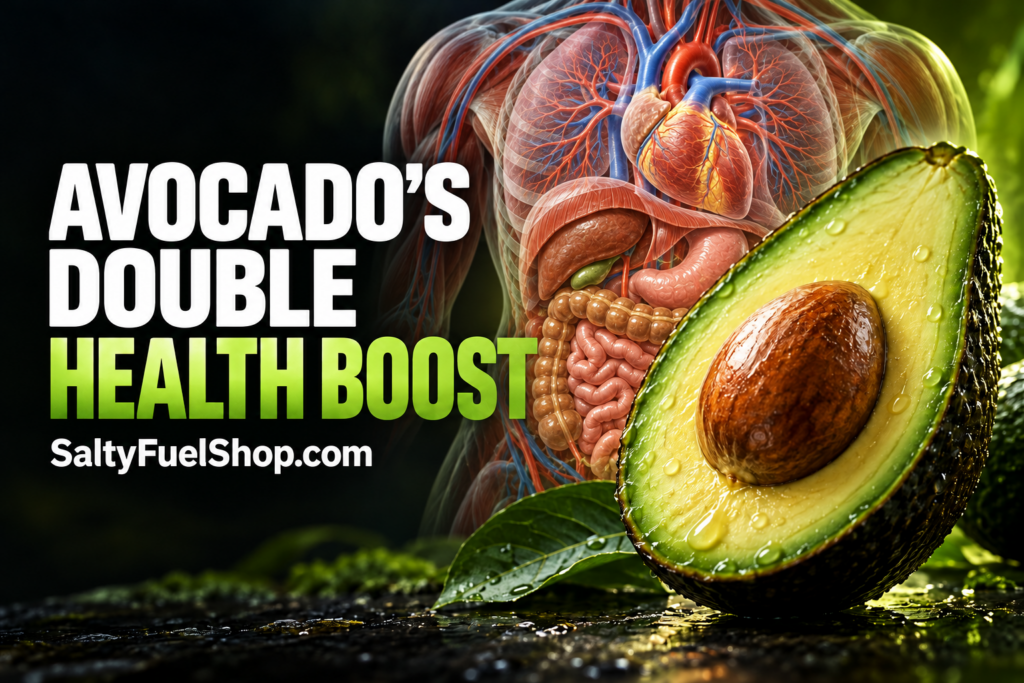
A health report links regular avocado consumption to better gut health, heart protection, and improved nutrient intake. Here’s what the research actually shows.
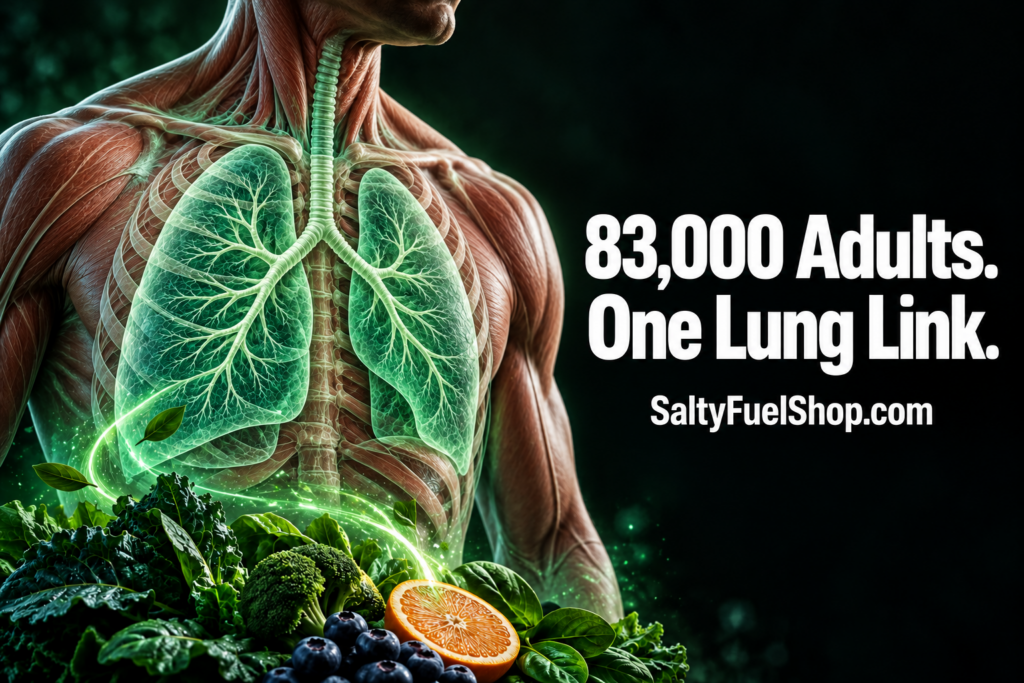
A study of over 83,000 Dutch adults found that higher diet quality scores were tied to modestly better lung function, with the strongest link in people with
Study finds vitamin D deficient breast cancer surgery patients used more tramadol and reported more pain in the first 24 hours after mastectomy.
A Japanese cohort study of 702,007 adults found that starting structured exercise raised odds of better sleep by 37%, while daily step counts showed no
A small UIC trial found adults with Type 1 diabetes and obesity who followed an eight-hour eating window improved blood sugar control over six months.
A meta-analysis of 480,479 adults found stair climbing cut cardiovascular death risk by 39% and all-cause mortality by 24%.
A meta-analysis of 51 studies covering 8.8 million adults links ultra-processed food intake to higher risks of heart disease, cancer, diabetes, and early death.
A UCL study of 59,218 adults found that losing just a few minutes of vigorous daily activity in older age was linked to a 15% higher cancer risk.
A small trial found creatine users felt more rested and scored higher on cognitive tests, even though objective sleep measurements did not change.
A 30-year study of 112,284 adults ties one daily sugar-sweetened beverage to 2.45 times the risk of stomach cancer.
A network meta-analysis of 53 trials compares 10 exercise types across 10 metabolic markers, finding different exercises rank best depending on the goal.
A phase 2 trial found daily vitamin C linked to fewer deaths and fewer serious complications in people with precancerous blood disorders.
Genetic variants tied to sharp post-meal glucose spikes were linked to a 69% higher Alzheimer’s risk in a University of Liverpool analysis of 357,883 people.

Chia Seeds May Be a Smart Addition to Your Pre-Workout Snack


Exercise May Work Better for Keeping Weight Off Than Losing It

Study of 460,000 People Challenges Ultra-Processed Food Cancer Fears