Vitamin D supplementation supports hormones and metabolic health in women over 50
A nine-month trial found daily vitamin D3 raised adiponectin and lowered resistin in postmenopausal women with deficiency.

A nine-month trial found daily vitamin D3 raised adiponectin and lowered resistin in postmenopausal women with deficiency.
Aged black garlic delivers up to 10 times more hydroxycinnamic acid and 8 times more flavonoids than raw garlic, with early research linking it to heart health
A review of 87 clinical trials finds that 4 to 6 daily servings of whole grains improves several heart disease risk factors at once.
A new report ties omega-3 intake to lower heart disease risk and slower cognitive decline, especially in women over 40.
A study of 549 urban Indian teachers found that those eating a wider variety of ultra-processed foods reported higher stress, even after adjusting for age
A UK Biobank study of 133,797 adults found a 40% higher atherosclerosis risk among the heaviest ultra-processed food consumers over 11 years of follow-up.
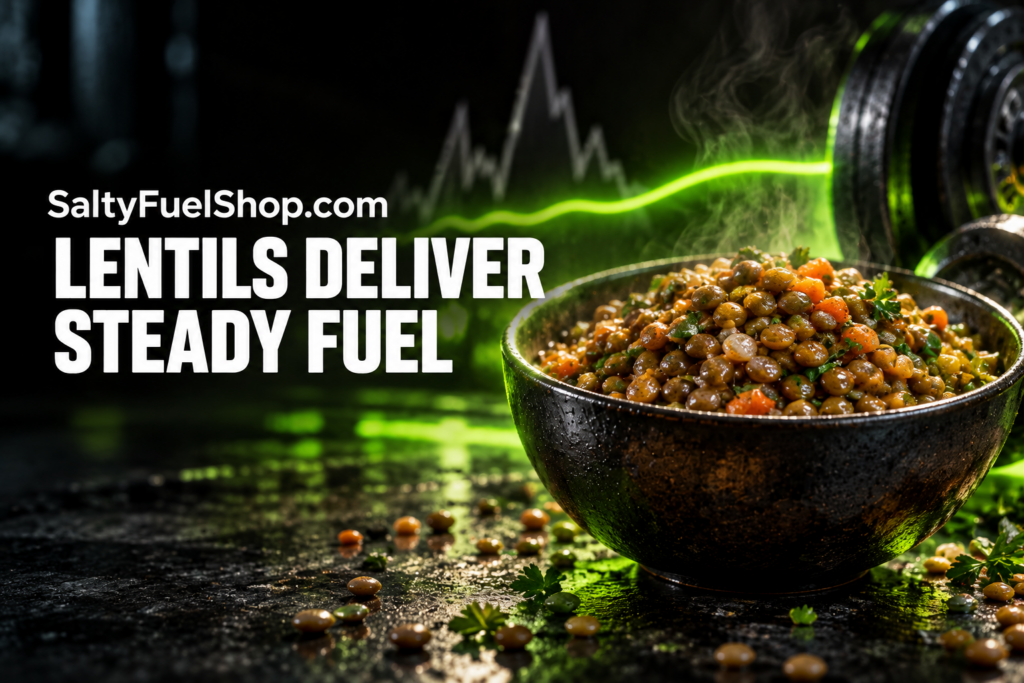
Evidence-based look at how lentils affect protein intake, blood sugar, heart health, and weight, plus nutritional breakdown and serving tips.
A BMJ review of 153,902 adults found calcium and vitamin D supplements, alone or combined, do little to prevent fractures or falls in most older adults.
Evidence-based home steps for toenail fungus, including filing, topical oils, laundering at 60C, and shoe rotation, backed by clinical trial data.
Research review finds that targeted vitamins and minerals can offset some health effects of endocrine-disrupting chemicals, with specifics by nutrient and outcome.


Chia Seeds May Be a Smart Addition to Your Pre-Workout Snack


Exercise May Work Better for Keeping Weight Off Than Losing It

Study of 460,000 People Challenges Ultra-Processed Food Cancer Fears