
Two widely watched videos lay out how to look after your kidneys: one from Ben Azadi on early signs and daily habits, and one from Dr. Eric Berg, DC on food. This page sets out what each of them says, in their own order. Every point links to the moment in the video where it is said, so you can hear it from the source.
Ben Azadi: Signs, Causes and a 30-Day Plan
Author of Metabolic Freedom. Video: “If Your Body Does THIS, Your Kidneys Could Be Failing, And You’d Never Know”
Watch the Full Video on YouTube
0:00 Azadi opens with the idea that kidney trouble does not begin with pain. In his words, it “starts with subtle body signals most people ignore.”
The Seven Early Signs He Lists
- 0:45 Foamy or bubbly urine. He calls this the earliest sign and ties it to protein leaking into the urine. He adds that the standard filtration number on a lab report (GFR) “usually drops long after damage is already happening.”
- 1:48 Constant fatigue. He says struggling kidneys make less EPO, the hormone that signals the body to make red blood cells.
- 2:22 Waking up with puffy eyes. He says fluid shifts to the area around the eyes when filtration drops.
- 2:46 A deep ache in the lower back that does not feel like a muscle.
- 3:02 A metallic taste in the mouth. He says urea builds up when the kidneys cannot clear waste well.
- 3:27 Itchy skin.
- 3:41 Getting up often at night to urinate. He describes this as an early sign that the kidneys are losing their ability to concentrate urine.
Azadi names journals for several of these points. The video does not give full references, so they are not linked here.
The Five Causes He Names
He says most of this “has nothing to do with genetics” and points to five causes:
- 4:11 Insulin resistance, which he ranks first. He suggests a fasting insulin test to see where you stand.
- 5:14 Chronic inflammation, which he says scars kidney tissue over time.
- 5:37 High uric acid, which he links to fructose.
- 6:21 Dehydration and electrolyte imbalance.
- 6:35 NSAID pain relievers, which he says reduce blood flow to the kidney’s filtering units.
His Seven Steps
Azadi then gives a seven-step plan and asks viewers to follow it for 30 days.
- 7:03 A morning drink. 12 to 16 ounces of filtered or spring water, a pinch of sea salt, and 1 tablespoon of raw, organic, unfiltered apple cider vinegar, sipped through a straw.
- 8:02 Cut fructose to nearly zero for 30 days. His list: soda, fruit juice, smoothies, table sugar, agave nectar, processed foods, and “even excess whole fruit if you’re metabolically unhealthy.” He calls this step foundational.
- 8:42 Replace seed and vegetable oils. He recommends beef tallow, avocado oil, coconut oil, butter, ghee and extra virgin olive oil in their place.
- 10:39 11:01 Four supplements, which he says are optional: a kidney support formula, NAC, magnesium, and cranberry with D-mannose. The products he names:
- 12:38 Stop eating at least 3 hours before bed.
- 13:03 One 24-hour fast each week, with only water, electrolytes and black coffee.
- 13:46 “Vitamin G,” his name for gratitude. Each morning, think of three things you are grateful for. He presents it as a way to lower stress.
His Answers on Water and Protein
- 15:26 Water. He brings up the common rule of drinking half your body weight in ounces each day and says, “I don’t really agree with that suggestion anymore.” He puts the quality of the water first: reverse osmosis water with minerals added back, or natural spring water.
- 16:26 Protein. For people who notice these signs, he advises against a very large amount of protein in one sitting and suggests spreading it across two or three meals.
14:26 His closing line: “Your kidneys are whispering long before they scream.” If you notice any of the signs, he says, “don’t ignore it.”
Dr. Eric Berg: Seven Foods for the Kidneys
Video: “7 Foods to REVERSE Kidney Damage (Must Watch)”
Watch the Full Video on YouTube
0:05 Dr. Berg starts with a plain picture: “The kidney is a filter.” Two of his biggest points come before the food list.
- 0:30 Potassium. He disagrees with the common advice to avoid it and says potassium “protects the kidney from damage.” His one exception is advanced kidney disease.
- 1:15 Sugar and starch. He names “consuming a lot of sugar, starches, things like that” as the biggest source of harm.
The Seven Foods
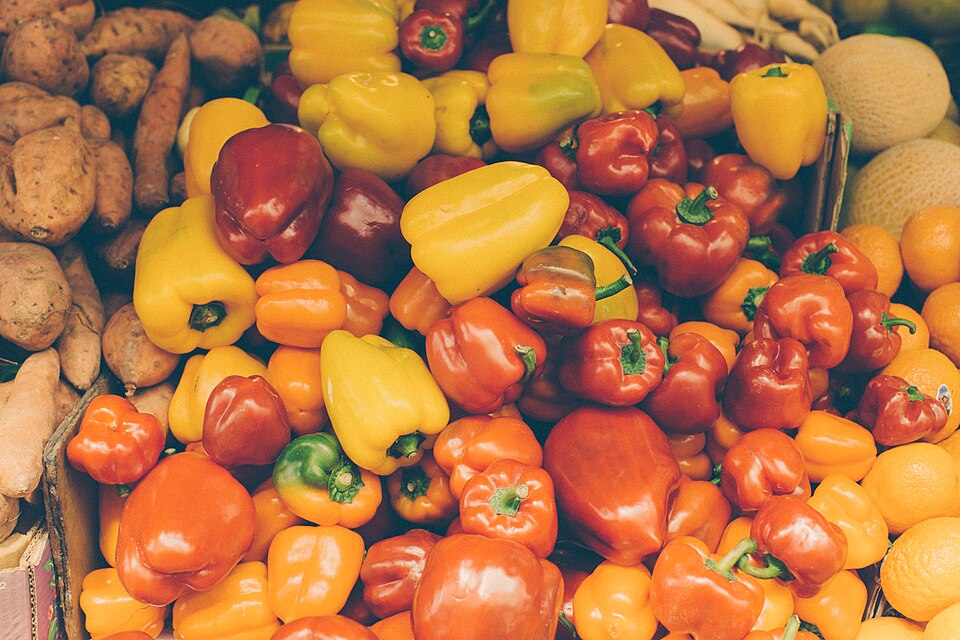
Food 1
Key Vegetables
Asparagus, celery, bell peppers, cabbage, cauliflower and garlic. He notes that spinach is high in oxalates and suggests eating it with cheese.
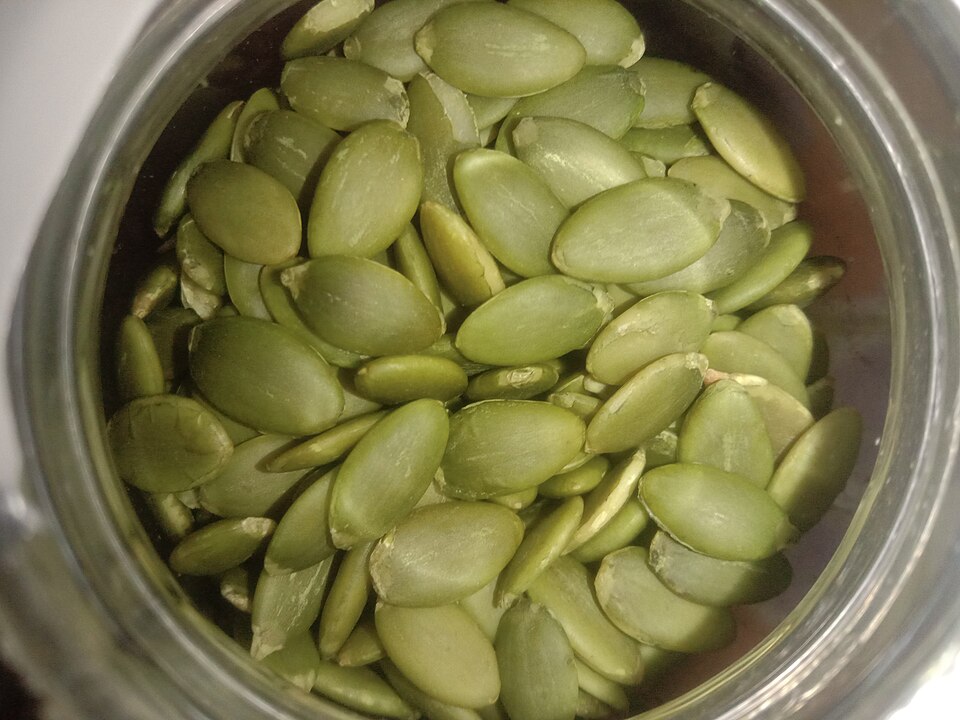
Food 2
Magnesium-Rich Foods
Pumpkin seeds, leafy greens and avocados. He also mentions magnesium glycinate as a supplement form.
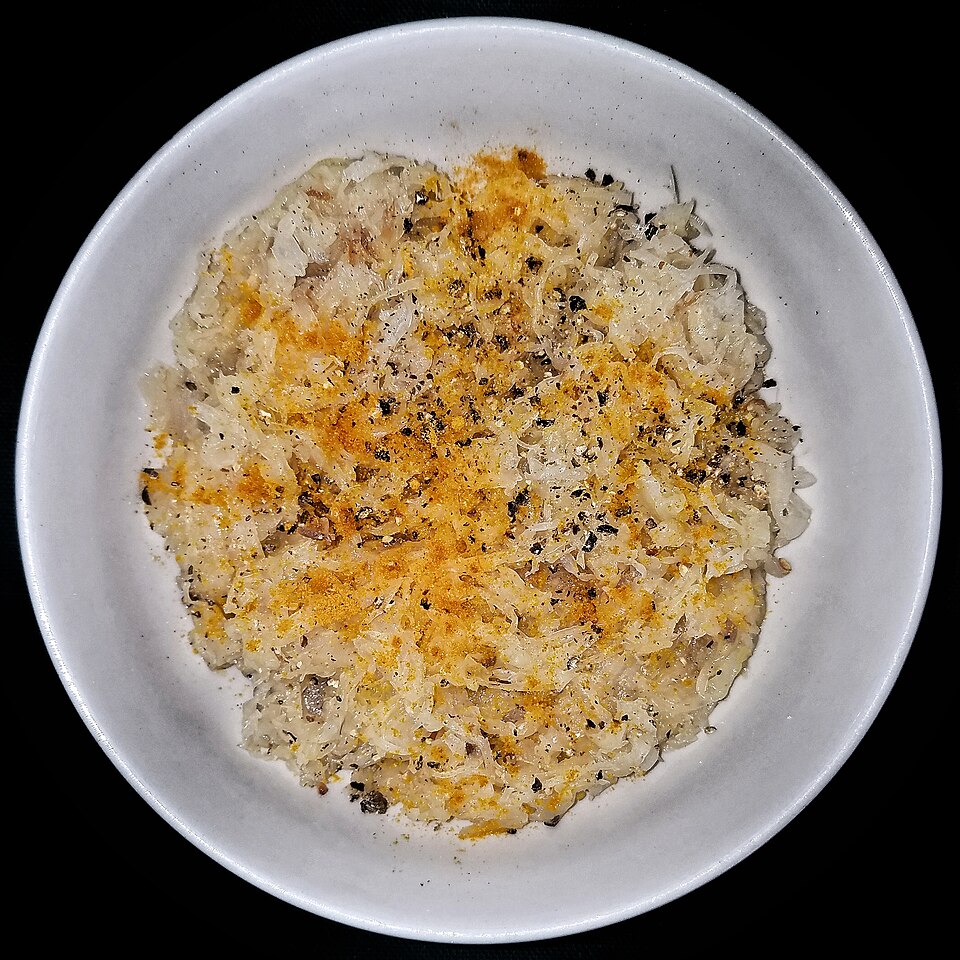
Food 3
Probiotic Foods
Kefir, yogurt, sauerkraut and kimchi. He says two of the microbes in these foods help the body clear a waste product.
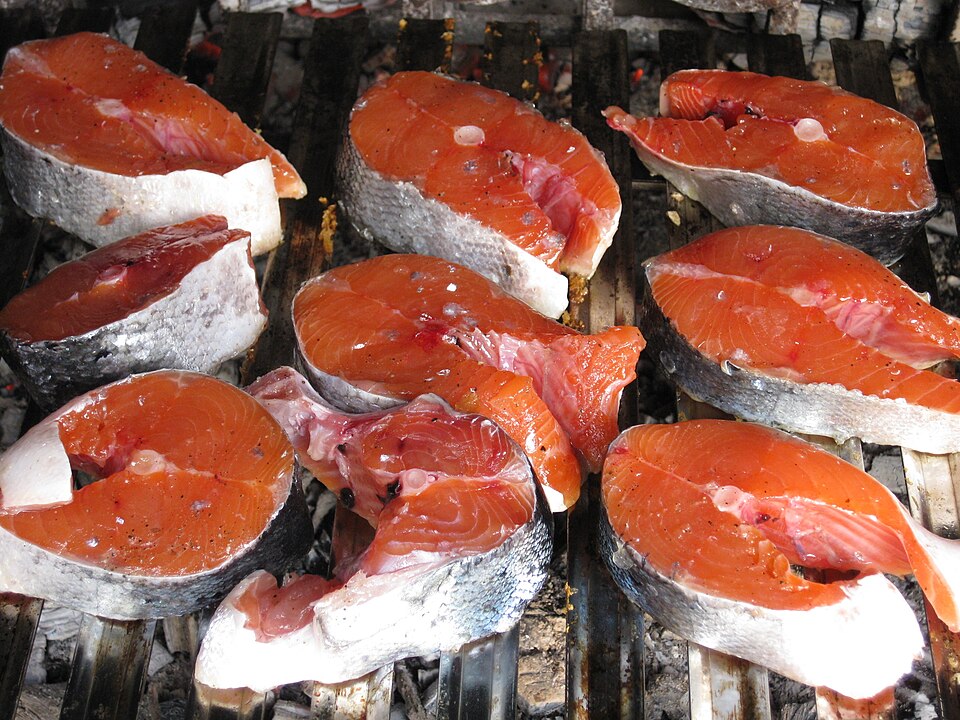
Food 4
Quality Protein, in Moderate Amounts
Wild-caught fish, sardines, cod liver oil and eggs. He warns against overdoing protein and suggests “maybe six to seven ounces per meal.”
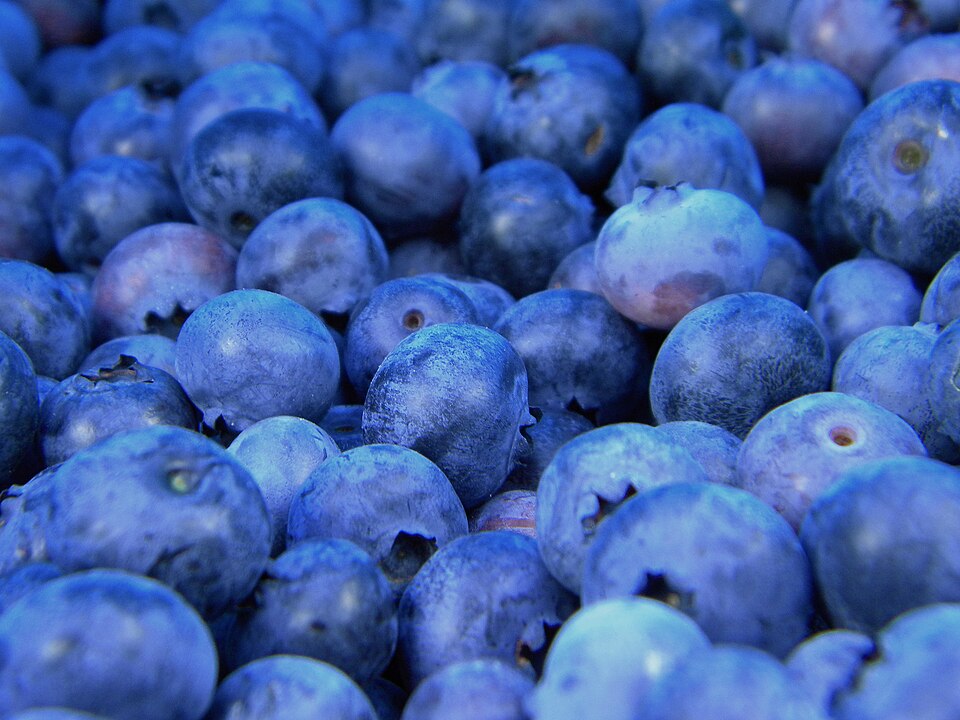
Food 5
High-Antioxidant Foods
Blueberries, blackberries, raspberries, strawberries and beets. He says they counter what he calls a “rusting out effect.”
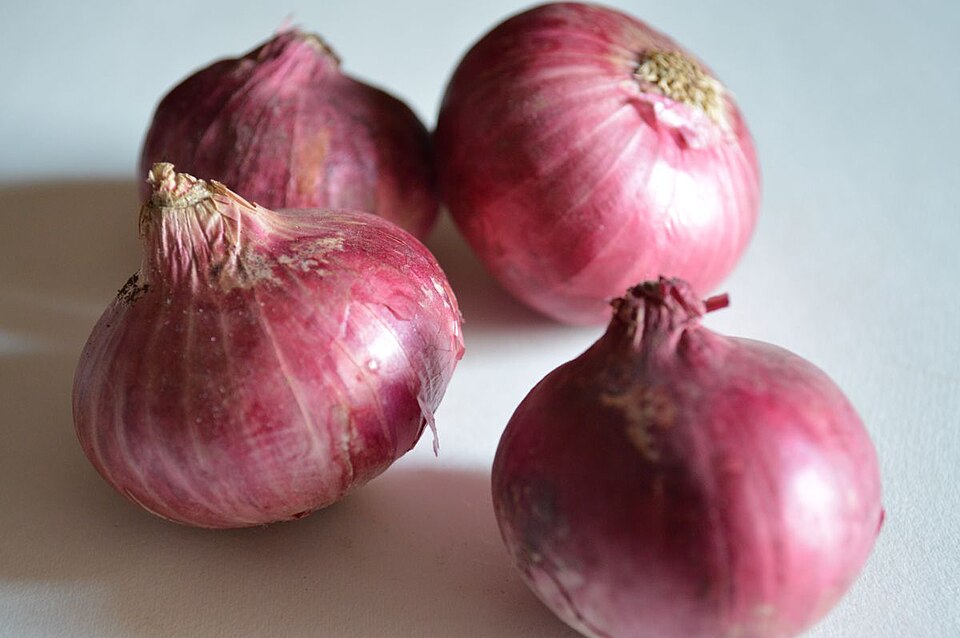
Food 6
Onions
He calls white and red onions the best source of quercetin, which he describes as anti-inflammatory. His tip: “Just cook your eggs with onions.”
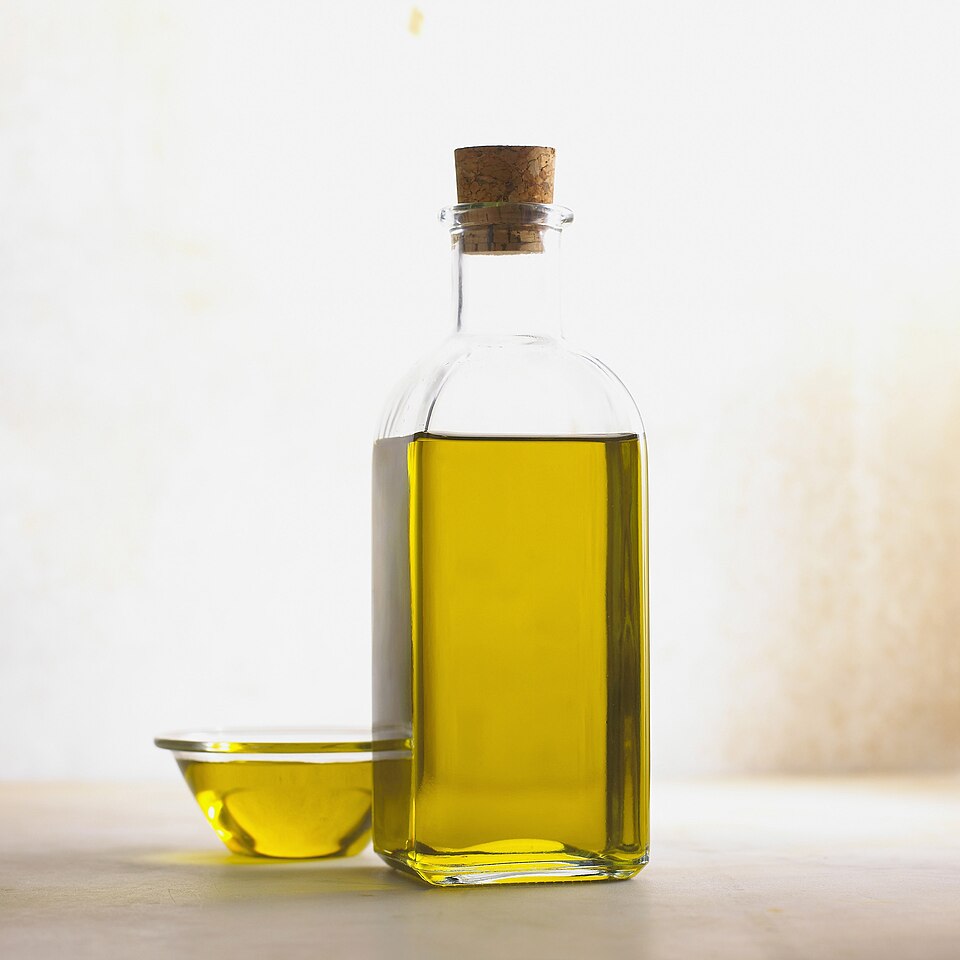
Food 7
Extra Virgin Olive Oil
He says it contains compounds that are “just dynamite for inflammation, kidney support.”
Fluids, Tea and Fasting
- 5:31 Do not force fluids. He says too much liquid “causes the kidney to work too hard.”
- 5:47 Make tea your main drink. He credits the polyphenols in tea and lists green, nettle, dandelion, turmeric and naturally decaffeinated black tea.
- 6:25 Intermittent fasting with a low-carb diet. He says eating less often takes work off the kidneys and lowers insulin.
Where the Two Agree
- Sugar comes first. Azadi puts insulin resistance and fructose at the top of his list. Dr. Berg puts sugar and starch at the top of his.
- Fasting. Both recommend it. Azadi suggests one 24-hour fast a week. Dr. Berg suggests intermittent fasting.
- Extra virgin olive oil. It is on both lists.
- Magnesium. Both include it.
- Moderate protein. Both advise against very large servings in one meal.
- Water. Neither tells you to drink as much as you can. Azadi stresses the quality of the water, and Dr. Berg warns against too much liquid.
If You Notice These Signs
These are the seven early signs Azadi lists in his video. Dr. Berg’s video is about food and does not list signs.
- Foamy or bubbly urine
- Constant fatigue
- Waking up with puffy eyes
- A deep ache in the lower back that does not feel like a muscle
- A metallic taste in the mouth
- Itchy skin
- Getting up often at night to urinate
Each of the seven signs has many possible causes. A blood and urine test from your doctor is how kidney function is checked. Azadi’s own advice on the signs is “don’t ignore it.”
If you have kidney disease, diabetes, high blood pressure, are pregnant or take prescription medication, ask your doctor before fasting or before changing your salt, potassium, magnesium, protein or fluid intake. Dr. Berg makes the same exception for potassium in advanced kidney disease.
The Takeaway
Azadi starts with the body’s early signals. Dr. Berg starts with the plate. Together they point the same way: pay attention to small changes instead of waiting for pain, cut back on sugar and starch, cook with extra virgin olive oil, get enough magnesium, keep protein moderate at each meal, and do not force water. Both make fasting part of their plan.
If any of the signs above sound familiar, start with a blood and urine test from your doctor, and bring what these two speakers teach into that conversation.
Sources
- Ben Azadi, “If Your Body Does THIS, Your Kidneys Could Be Failing, And You’d Never Know.” YouTube. youtube.com/watch?v=arIzIXhoMjE
- Dr. Eric Berg, DC, “7 Foods to REVERSE Kidney Damage (Must Watch).” YouTube. youtube.com/watch?v=knY-Foaeqlg
This page is for general education only and is not medical advice. It reports what the two speakers say in their videos. These statements have not been evaluated by the Food and Drug Administration. SaltyFuelShop is not affiliated with either speaker and links no product from this page. Talk to your doctor about any health condition.