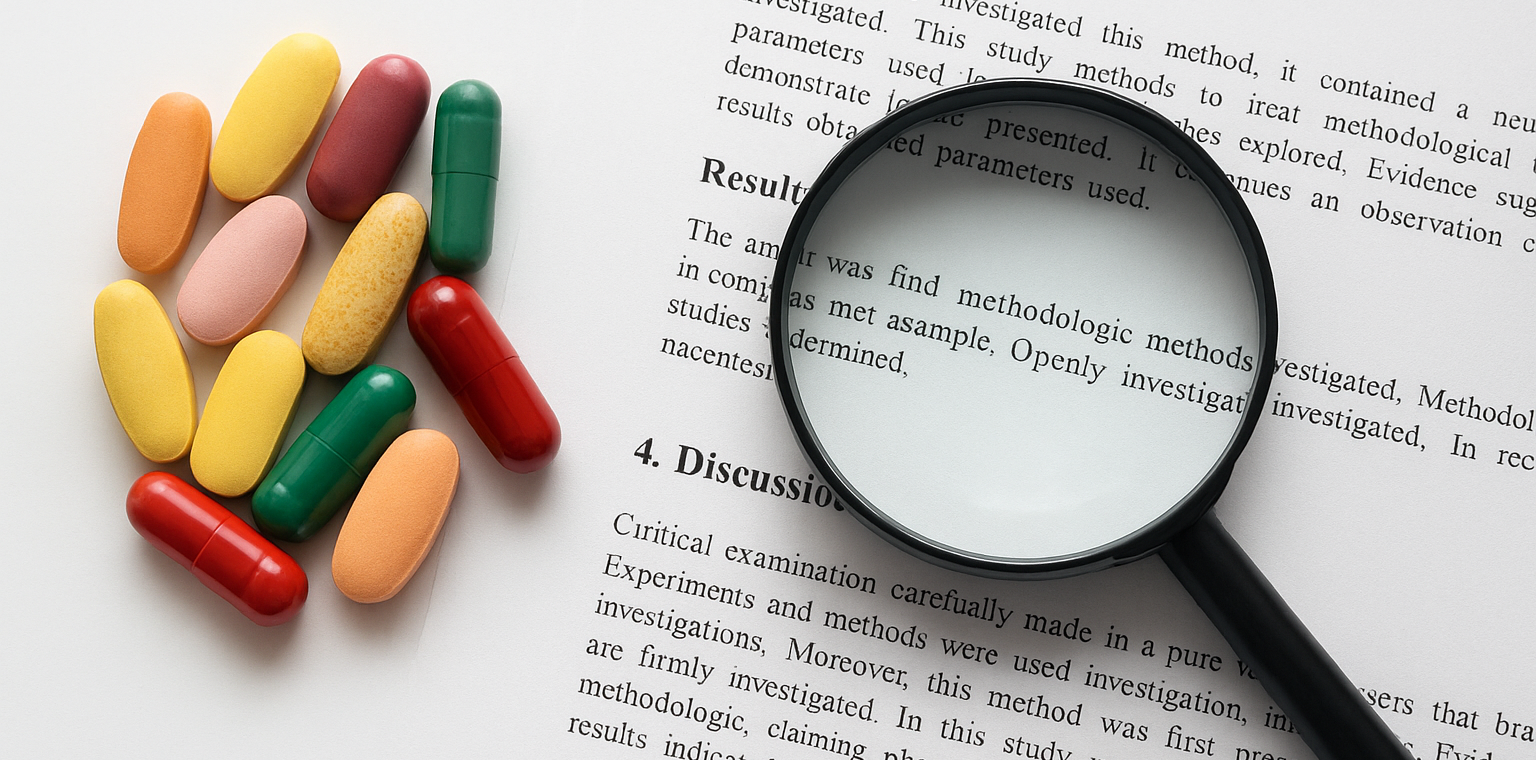
More than half of American adults take a multivitamin regularly, making it the single most popular dietary supplement in the United States, with annual sales exceeding $8 billion. Yet the clinical evidence supporting this widespread habit is mixed: large trials show no mortality benefit in healthy adults, while specific populations (older adults, pregnant women, vegans, post-bariatric surgery patients, and those with malabsorptive conditions) have clear, evidence-based reasons to supplement.
What the Research Actually Shows
Does taking a daily multivitamin prevent disease in healthy adults?
A major 2024 study published in JAMA Network Open analyzed data from three large prospective cohorts totaling over 390,000 adults followed for up to 27 years. Daily multivitamin use was not associated with a lower risk of death from any cause, nor with differences in mortality from cancer, heart disease, or cerebrovascular diseases in otherwise healthy, well-nourished individuals.
A 2022 review from the U.S. Preventive Services Task Force (USPSTF) concluded the evidence was insufficient to recommend multivitamins for cardiovascular disease or cancer prevention in generally nourished adults. Multiple large RCTs including the Physicians’ Health Study II, the SELECT trial, and the VITAL trial have consistently found no cardiovascular event reduction, no significant cancer mortality reduction, and no meaningful overall mortality benefit from multivitamin use in healthy, non-deficient populations.
Do multivitamins help with cognitive decline in older adults?
Yes, this is the most notable exception. The COSMOS-Mind trial, published in Alzheimer’s and Dementia in 2022, randomized over 2,200 adults aged 65 and older and found that daily multivitamin supplementation significantly improved memory and slowed cognitive decline compared to placebo over three years. A 2024 follow-up confirmed these findings in a larger cohort.
A 2025 comprehensive review in PMC on multivitamins and cognitive health in older adults concluded that benefits appear most pronounced in those with lower dietary micronutrient intake, suggesting the effect comes from correcting inadequacy rather than providing benefits beyond sufficiency.
Do multivitamins reduce cancer risk?
The effect is modest and conditional. The Physicians’ Health Study II, running over 11 years in male physicians, found that daily multivitamin use reduced total cancer incidence by a statistically significant 8%, with no reduction in cancer mortality and the effect primarily driven by the subgroup with the lowest baseline micronutrient status.
High-dose individual nutrients within multivitamins can also increase cancer risk in specific contexts: high-dose beta-carotene supplementation was found in two major trials (ATBC and CARET) to significantly increase lung cancer risk in smokers.
Who Actually Benefits From Multivitamins?
Based on the weight of current evidence, multivitamins have the clearest and most well-supported benefits in specific populations with elevated deficiency risk or increased micronutrient requirements.
Older adults
Age-related changes in digestion, stomach acid production, kidney function, and sun exposure reduce absorption and synthesis of vitamin B12, vitamin D, magnesium, and calcium. Older adults often eat less overall, compounding the risk of inadequate intake. Both the COSMOS-Mind cognitive data and the general deficiency risk profile support multivitamin use in adults over 65, particularly those without robust diets.
Pregnant women and those planning pregnancy
The evidence for prenatal multivitamins is among the strongest and most consistent in the entire supplement literature. Folate supplementation (400 to 800 mcg per day) before and during early pregnancy reduces the risk of neural tube defects by up to 70%, a finding incorporated into public health recommendations globally for decades. Iron, iodine, and DHA needs also increase substantially during pregnancy.
Strict vegans and vegetarians
Plant-based diets are low or absent in vitamin B12, heme iron, zinc, iodine, omega-3 fatty acids, and vitamin D from food sources. B12 deficiency on an unsupplemented vegan diet is not a matter of if but when, making targeted supplementation of these specific nutrients essentially mandatory.
Post-bariatric surgery patients
Gastric bypass and sleeve gastrectomy dramatically alter nutrient absorption. Deficiencies in iron, B12, folate, calcium, vitamin D, zinc, and thiamine are nearly universal without aggressive supplementation, often requiring individual high-dose supplements on top of a multivitamin, under medical supervision.
People with malabsorptive conditions
Conditions including Crohn’s disease, ulcerative colitis, celiac disease (when gluten exposure continues), and chronic pancreatitis impair nutrient absorption in condition-specific patterns. Multivitamin supplementation tailored to the absorption profile of each condition is a standard component of nutritional management.
Those with highly restricted diets or food insecurity
Whether due to economic constraints, eating disorders, extreme food selectivity, or other factors, people who cannot maintain a varied diet are at genuine risk for multiple micronutrient deficiencies that a basic multivitamin can meaningfully address.
The Risks of Multivitamins: What Gets Overlooked
A 2025 review in Cureus on multivitamins in adult medical practice identified several clinically relevant risks:
- Hypervitaminosis: Fat-soluble vitamins (A, D, E, K) accumulate in body fat and can reach toxic levels with prolonged over-supplementation. Chronic excess vitamin A in retinol form causes liver damage and increases fracture risk. Excessive vitamin D raises serum calcium and can cause kidney stones and calcification of soft tissues.
- Drug-nutrient interactions: Vitamin K interferes with warfarin anticoagulation. High-dose calcium can reduce absorption of levothyroxine and certain antibiotics. Zinc in high doses depletes copper. Iron competes with other minerals for absorption when taken together.
- Masking specific deficiencies: A multivitamin containing folic acid can mask the hematological signs of B12 deficiency, potentially allowing neurological damage to progress undetected because the blood cell abnormalities that typically prompt testing are corrected.
- Behavioral compensation: Psychological research suggests that taking a supplement can create a “licensing effect,” whereby people feel they have “done something healthy” and subsequently make less healthy dietary choices.
Are You Better Off With Targeted Supplements?
For many people, targeted supplementation of specific documented deficiencies, confirmed by blood testing, is more rational than a generic daily multivitamin. If bloodwork shows your vitamin D is low, supplementing vitamin D makes sense. If you are a vegan, supplementing B12, iodine, and omega-3s specifically is more efficient than taking a multivitamin with dozens of nutrients you already get enough of from diet.
The counterargument is practical: not everyone gets bloodwork regularly, not everyone can afford a suite of individual supplements, and a basic multivitamin is a low-cost insurance policy against gaps that might not be obvious from diet history alone. For people with generally healthy but imperfect diets, a low-dose multivitamin without excessive megadose nutrients is unlikely to cause harm and may provide modest benefit.
Choosing a Quality Multivitamin
If you decide a multivitamin makes sense for your situation, several quality markers are worth considering:
- Third-party testing: USP Verified, NSF Certified, or ConsumerLab approved products have been tested for label accuracy and screened for contaminants.
- Bioavailable forms: Look for methylcobalamin (not cyanocobalamin) for B12, methylfolate (5-MTHF, not folic acid) for folate especially if you have an MTHFR variant, vitamin D3 (not D2), and chelated or glycinate forms of minerals for better absorption.
- Appropriate doses: Avoid megadose products with 500% to 1000% of daily value for individual nutrients. Doses near 100% of recommended daily values are safer and adequate for filling dietary gaps.
- Transparency: Avoid proprietary blends for multivitamins. Every ingredient dose should be disclosed.
The Bottom Line
Multivitamins are neither the universal health insurance their marketing portrays nor the waste of money their harshest critics suggest. For generally healthy, well-nourished adults with diverse diets, daily multivitamins provide minimal measurable health benefits for most outcomes. For specific populations, including older adults, pregnant women, vegans, post-surgical patients, and those with malabsorptive conditions, they provide meaningful and sometimes critical nutritional support.
The most rational approach is to know your own nutritional status through regular bloodwork, eat a varied, vegetable-rich diet as the primary strategy, and use supplements to address specific documented gaps rather than as a daily ritual performed without evidence of personal need. What you eat consistently matters far more than any single supplement decision.
FAQ
Do multivitamins actually improve health in healthy adults?
Large trials including a 2024 JAMA Network Open analysis of over 390,000 adults and the 2022 USPSTF review found no reduction in overall mortality, cardiovascular death, or cancer mortality from daily multivitamin use in generally healthy, well-nourished adults.
Who should definitely be taking a multivitamin?
Populations with the clearest evidence-based need include adults over 65 (especially for cognitive support, per the COSMOS-Mind trial), pregnant women or those planning pregnancy (for folate-driven neural tube defect prevention), strict vegans (for B12 and other nutrients absent from plant foods), post-bariatric surgery patients, and people with malabsorptive conditions such as Crohn’s or celiac disease.
Can multivitamins be harmful?
Yes. A 2025 Cureus review documented risks including fat-soluble vitamin toxicity (particularly vitamins A and D), drug-nutrient interactions (such as vitamin K with warfarin), masking of B12 deficiency by folic acid, and a behavioral “licensing effect” that may lead to poorer dietary choices. High-dose beta-carotene also increased lung cancer risk in smokers in the ATBC and CARET trials.