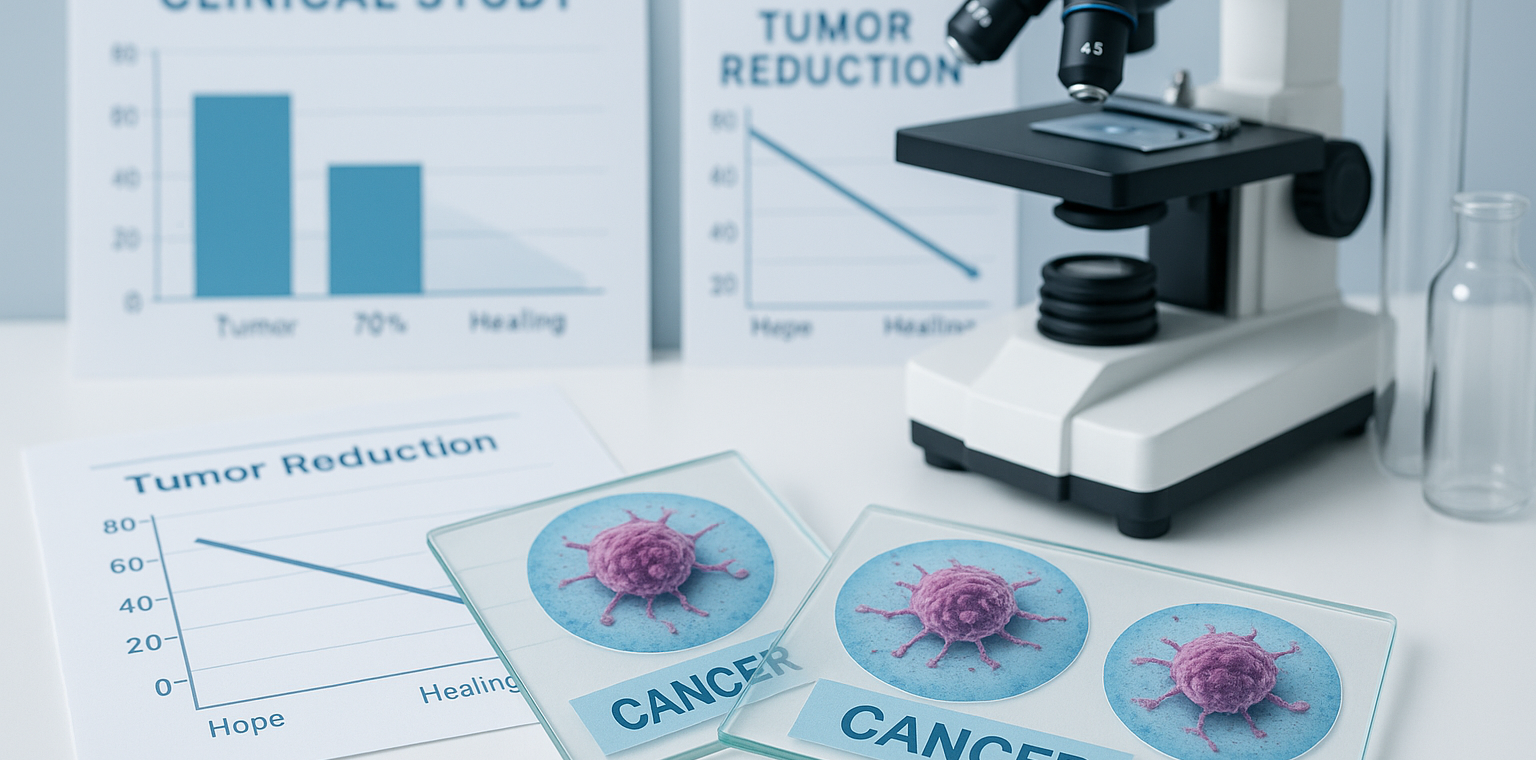
A 2026 real-world study found that 84.4% of cancer patients taking a combination of ivermectin and mebendazole reported measurable clinical benefit after six months — including nearly half who reported tumor disappearance or significant reduction.
What did the study find?
Researchers enrolled 197 cancer patients prescribed compounded ivermectin/mebendazole capsules off-label through licensed U.S. telemedicine providers. At the 6-month mark, 122 patients completed follow-up surveys, producing these outcomes:
- 84.4% Clinical Benefit Ratio — improvement or disease stabilization
- 32.8% reported no current evidence of disease (NED)
- 15.6% reported tumor regression
- 36.1% reported stable disease
- Only 15.6% experienced disease progression
Who conducted the study?
The research was led by epidemiologist Nicolas Hulscher (MPH), alongside Dr. Peter McCullough, Dr. Harvey Risch (Chairman of the President’s Cancer Panel), and a team of clinicians.
Who was in the study?
The cohort had a mean age of 67 and included patients with:
- Prostate cancer (27.9%)
- Breast cancer (18.3%)
- Lung cancer (8.6%)
- Colon cancer (5.1%)
Many had already undergone conventional treatment — 42.1% had surgery, 31.5% had chemotherapy, and 28.9% had radiation.
What was the treatment protocol?
Each compounded capsule contained 25 mg ivermectin and 250 mg mebendazole. Dosing was individualized by providers (typically 1–4 capsules per day). 86.9% of patients completed the full 90-capsule protocol, and 66.4% remained on therapy at 6 months. Of those who reported side effects (25.4%), nearly all were mild gastrointestinal symptoms — and 93.6% continued treatment through them.
What are the limitations?
The authors emphasize these findings are hypothesis-generating. The study was a prospective observational cohort with self-reported outcomes and potential for selection bias. Peer-reviewed, randomized controlled trials are needed to confirm these results. This is not medical advice — consult your physician before starting or stopping any treatment.
Sources
- Original Study — Zenodo Preprint (April 7, 2026): Real-World Clinical Outcomes of Ivermectin and Mebendazole in Cancer Patients: Results from a Prospective Observational Cohort — Hulscher et al.
- NeedToKnow.news Coverage
- The Expose Coverage