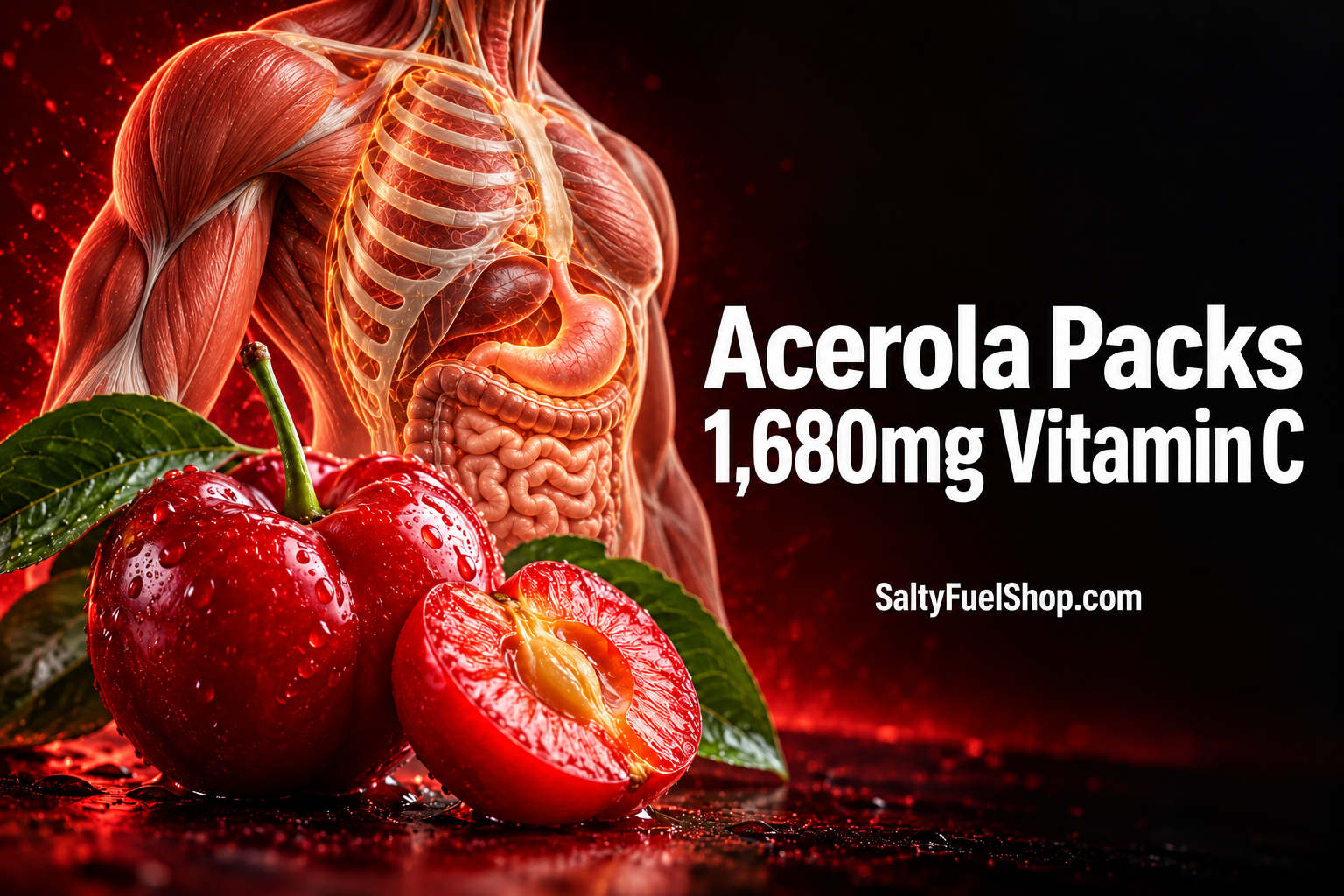
Acerola, a small tropical fruit also called the Barbados cherry or West Indian cherry, delivers one of the highest natural concentrations of vitamin C found in any edible fruit, with reported levels around 1,680 milligrams per 100 grams, roughly 50 to 100 times that of oranges and lemons. That single nutrient density, paired with fiber, polyphenols, and carotenoids, is what makes acerola a frequent subject of nutrition reports on skin, immune, and digestive support.
What does a serving of acerola actually provide?
A one-cup serving of acerola is reported to contain about 31 calories, 7.5 grams of carbohydrates, 1 gram of fiber, and 1,650 milligrams of vitamin C, along with smaller amounts of vitamin A, magnesium, potassium, thiamine, riboflavin, and niacin. Beyond vitamins and minerals, the fruit carries phenolic compounds, flavonoids, anthocyanins, and carotenoids, plant pigments widely described as antioxidants.
Anthocyanins, the pigments that give berries, cherries, and purple grapes their deep color, have been studied for cardiovascular and metabolic effects. A 2025 meta-analysis published in PLOS ONE pooled data from 29 randomized controlled trials with more than 2,000 participants and found that LDL cholesterol dropped significantly in participants receiving anthocyanin supplements compared with placebo.
How might acerola support immune function?
Vitamin C is described as central to the production and function of white blood cells, the immune cells that defend against infection. Nutrition reports note that regular intake of vitamin C-rich foods may shorten the duration and severity of common colds and respiratory illnesses, though effects vary between individuals.
Vitamin C is reported to neutralize free radicals, support antibody response, activate thymic hormone secretion, help form collagen, and strengthen connective tissue. Vitamin C helps protect against DNA damage and supports cardiovascular health.
Why is acerola linked to skin health and collagen?
Collagen is the structural protein that keeps skin firm and elastic, and vitamin C is required for its synthesis. Reports indicate that regular intake of vitamin C-rich foods may help slow wrinkle formation by supporting collagen production and reducing oxidative damage from ultraviolet radiation and environmental pollutants.
Reference texts describe vitamin C as giving strength to cartilage, bone, connective tissue, and dentine while supporting the integrity of blood vessels. A 2007 nutrition report noted that the skin reflects overall health and that expensive topical products do little if internal nutrition is lacking.
What about digestive health and gut bacteria?
Acerola contains dietary fiber, which supports regular bowel movements and slows the absorption of sugar. Fiber also feeds beneficial gut bacteria, an effect linked in nutrition literature to broader health benefits and lower disease risk.
Fruit tissue generally carries the highest concentration of pectins in a plant. Pectins are soluble fibers that can bind to bile acids, with reported benefits for cardiovascular and colon health. Modified citrus pectin has also been studied for increasing urinary excretion of heavy metals such as arsenic and cadmium, though most of these findings come from animal or small-scale human work.
One animal study has pointed to acerola benefits for gut microbiota, but human evidence is still limited. Most digestive claims for the fruit rest on its fiber and polyphenol content rather than direct clinical trials.
How much vitamin C do most people actually need?
Most adults can meet daily vitamin C needs through food alone. The commonly cited daily targets are 75 milligrams for women and 90 milligrams for men. Whole-food sources deliver vitamin C along with fiber, antioxidants, and other vitamins and minerals, which is why nutrition reports consistently recommend getting vitamin C from foods rather than relying solely on supplements.
What are the safety considerations with acerola?
Acerola is described as generally safe for most people, but a few groups should be cautious. People with a history of kidney stones may want to limit high vitamin C intake, since excess vitamin C can increase stone formation. The upper intake level commonly cited for vitamin C is 2,000 milligrams per day; going above that can cause diarrhea, nausea, and stomach pain.
Some individuals may also react allergically to acerola, with symptoms such as itching, swelling, or difficulty breathing, particularly those allergic to other fruits in the Malpighiaceae family. For people who cannot eat acerola, reported alternatives include kiwi, guava, and strawberries, with a doctor’s guidance recommended when switching.
Whole food versus isolated vitamin C
Reference texts on healing foods note that vitamins recreated in a lab may not work as effectively as those delivered in their original food source. The reported idea is that whole-food vitamins work synergistically with other vitamins, minerals, and phytonutrients present in the same food. Acerola is specifically cited in that literature as a higher-quality vitamin C source compared with synthetic ascorbic acid alone.
FAQ
How much vitamin C is in acerola compared with oranges?
Acerola is reported to contain roughly 1,680 milligrams per 100 grams, about 50 to 100 times the vitamin C concentration of oranges or lemons. A one-cup serving delivers around 1,650 milligrams.
Can acerola help with colds or immune support?
Reports link regular intake of vitamin C-rich foods like acerola to shorter and milder colds and respiratory illnesses, because vitamin C supports white blood cell production and function. Effects vary by individual and overall diet.
Is acerola safe for everyone?
Acerola is described as generally safe, but people with a history of kidney stones should limit high vitamin C intake, and anyone allergic to fruits in the Malpighiaceae family may react to acerola. Daily vitamin C above 2,000 milligrams can cause digestive upset.