Quick answer
Vitamin K is a fat-soluble nutrient with two main forms: K1 from leafy greens, which powers blood clotting, and K2 from fermented and animal foods and gut bacteria, which directs calcium into bones and away from arteries. Getting enough through everyday foods supports bone strength, cardiovascular health and normal wound healing for most healthy adults.
Why vitamin K matters beyond clotting
Vitamin K is best known for its role in blood coagulation, but its work in the body goes further. As a cofactor for enzymes that activate specific proteins, it keeps three systems running at once: the clotting cascade that seals a wound, the bone-building proteins that lock calcium into the skeleton, and the Matrix Gla-Protein (MGP) that blocks calcium deposits in soft tissue. Together, these functions make it a nutrient of interest for bone density, fracture risk and arterial health.
Research in postmenopausal women, a group at higher risk of osteoporosis, has tied adequate vitamin K2 intake to a lower risk of fractures. K2’s role in activating MGP is what links it to cardiovascular protection, since MGP helps prevent vascular calcification and the arterial stiffness that comes with it.
The two forms of vitamin K, and where each comes from
Vitamin K is not a single compound. It is a family of fat-soluble vitamins, with two forms that matter most for human health.
- Vitamin K1 (phylloquinone): Found mostly in green leafy vegetables such as kale, spinach, collard greens, broccoli and Brussels sprouts, and in plant oils including soybean and canola oil. Its primary job is supporting blood clotting.
- Vitamin K2 (menaquinone): Produced by bacteria in the human gut and present in fermented foods such as natto (fermented soybeans), hard and soft cheeses, egg yolks, butter and chicken liver. K2 is the form tied to bone metabolism and cardiovascular protection.
Because gut bacteria manufacture a portion of the body’s K2, outright dietary deficiency is uncommon in healthy adults. Cooking does not significantly destroy vitamin K; steaming or sautéing greens like spinach and kale can even make it easier to eat more per serving.
How vitamin K powers blood clotting
The most established function of vitamin K is in the synthesis of clotting factor proteins. Vitamin K is directly involved in producing at least four of the thirteen key clotting factors that form a mesh over a wound to stop bleeding. Without enough of it, that cascade is impaired, and a small injury can lead to excessive bleeding.
How vitamin K2 builds bones
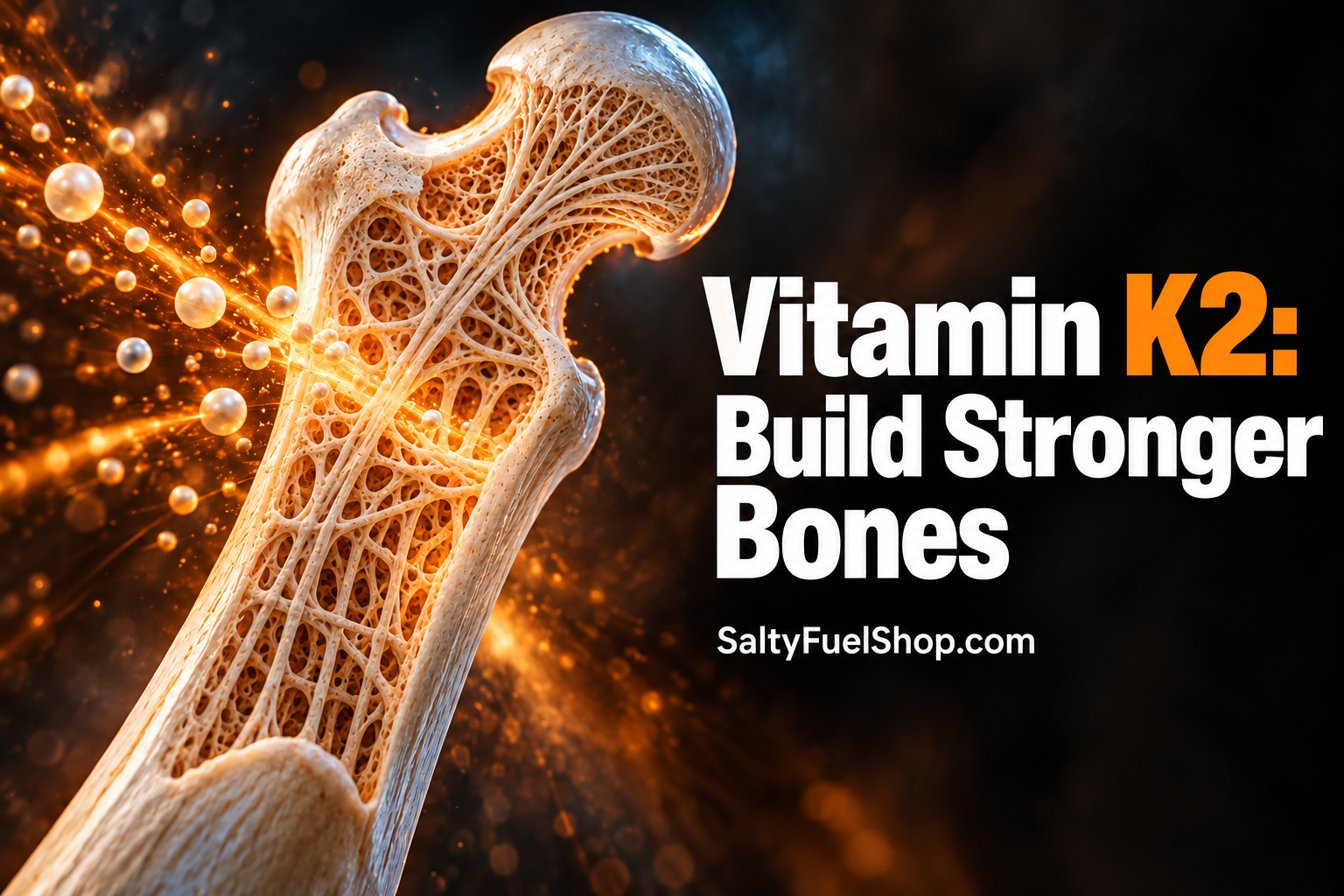
Vitamin K2 activates osteocalcin, the protein that binds calcium and integrates it into the bone matrix. That step is essential for maintaining bone density and strength over time. Because bone loss accelerates after menopause, K2 intake has been studied most closely in older women, where higher intakes are associated with a meaningfully lower risk of fractures.
How vitamin K protects arteries
Through MGP, vitamin K2 helps keep calcium out of soft tissues. MGP inhibits calcium from depositing in arteries and kidneys, which is why K2 has drawn attention as a way to reduce vascular calcification and support long-term cardiovascular health.
Who is at risk of deficiency
Vitamin K deficiency is uncommon in healthy adults but can occur in people with certain medical conditions or those taking specific medications.
- Newborns: Babies are born with low vitamin K stores and sterile intestines, which is why a prophylactic vitamin K shot at birth is standard practice to prevent hemorrhagic disease.
- Fat-malabsorption conditions: Crohn’s disease, cystic fibrosis and similar disorders reduce the body’s ability to absorb fat-soluble vitamins.
- Long courses of broad-spectrum antibiotics: These can wipe out the gut bacteria that produce vitamin K2.
The hallmark sign of deficiency is abnormal bleeding, including easy bruising, bleeding gums, frequent nosebleeds, heavy menstrual bleeding, or blood in stool or urine. Severe cases can lead to life-threatening internal bleeding.
How much vitamin K do you need, and where to get it
The Adequate Intake (AI) for vitamin K is 120 micrograms per day for adult men and 90 micrograms per day for adult women. A balanced diet clears that bar easily. A single half-cup serving of cooked kale, for example, delivers over 500 micrograms of vitamin K1, well past the daily target.
Other good food sources include cabbage, cauliflower, tomatoes, peas, carrots, soybeans, kelp, alfalfa and mung sprouts, plus potatoes and grains in smaller amounts.
Should you supplement?
Vitamin K is available as a standalone supplement and is included in many multivitamins and bone-health formulas, often as K2 in forms such as MK-4 or MK-7. Most people do not need to supplement if they eat a varied diet with leafy greens and fermented or animal foods.
One important caveat: anyone taking blood-thinning medication such as warfarin (Coumadin) needs to keep vitamin K intake steady and should not start a supplement without medical guidance, since the vitamin can interfere with how the drug works.
FAQ
What does vitamin K do in the body?
Vitamin K acts as a cofactor for enzymes that activate proteins needed for blood clotting, bone mineralization, and the prevention of calcium buildup in arteries. The K1 form focuses on clotting, while K2 supports bone density and cardiovascular health.
What is the difference between vitamin K1 and K2?
Vitamin K1 (phylloquinone) comes from green leafy vegetables and plant oils and is primarily responsible for blood clotting. Vitamin K2 (menaquinone) is produced by gut bacteria and found in fermented and animal foods, and it is the form most linked to bone strength and arterial health.
How much vitamin K do adults need each day?
The Adequate Intake is 120 micrograms per day for adult men and 90 micrograms per day for adult women, an amount easily reached through leafy greens; a half-cup of cooked kale alone provides over 500 micrograms.