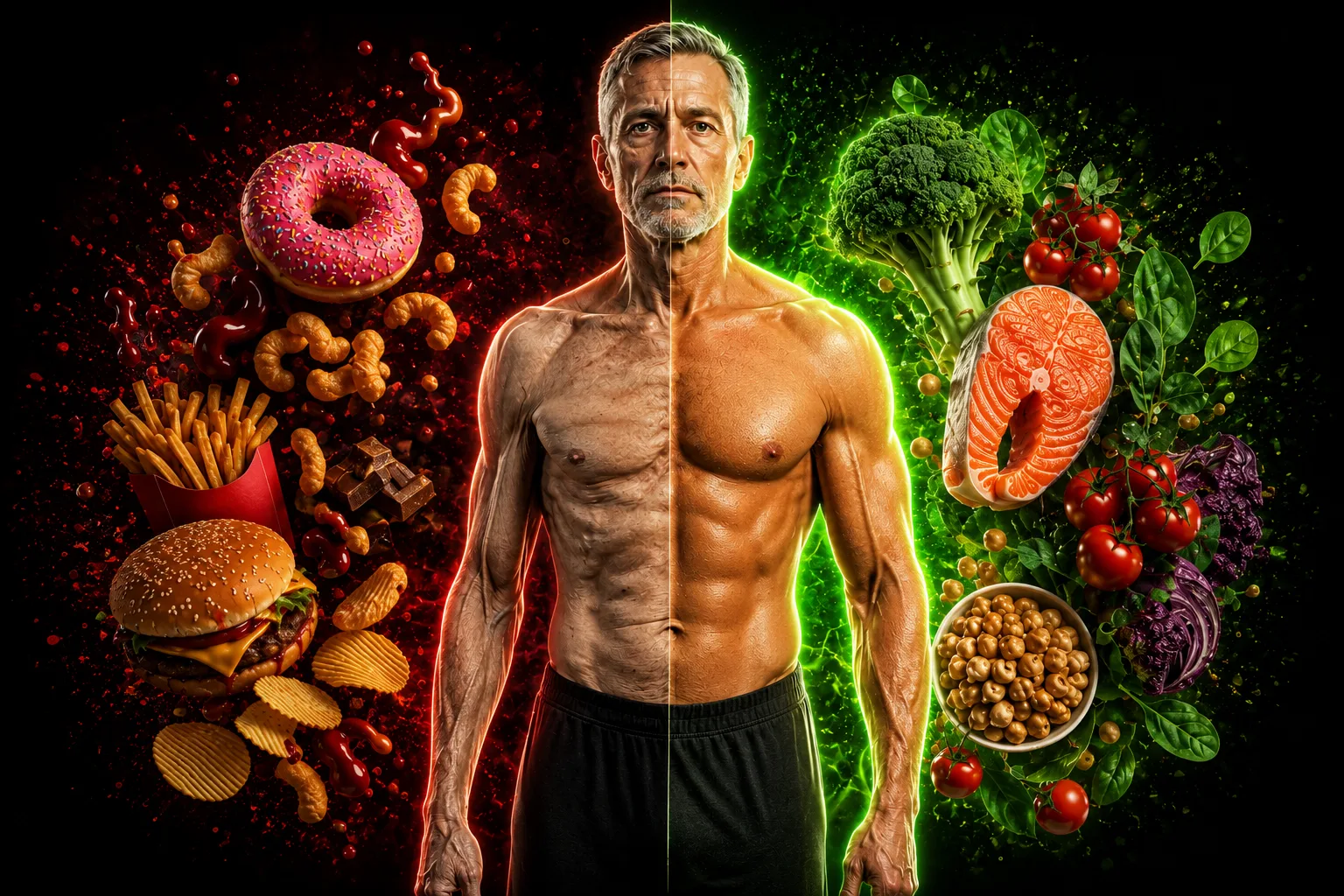
A study of 1,006 older adults in Iran found that people who consumed the most ultra-processed foods were significantly more likely to have sarcopenia, the progressive loss of skeletal muscle mass and strength that raises the chance of falls, fractures, and loss of independence. The association was strongest at the advanced end of the muscle-loss spectrum, with high intake tied to the most severe stages, according to findings reported Aug. 6 from the Birjand Longitudinal Aging Study.
How the study measured muscle health and diet
Researchers classified participants into four stages using a standard clinical framework for sarcopenia: 29.1% had no sarcopenia, more than half had probable sarcopenia, 8.7% had confirmed sarcopenia, and 7.7% had severe sarcopenia. Food intake was categorized using the NOVA system, which groups foods by how heavily they are processed, from minimally processed items to industrial formulations. The same NOVA framework has been used in a separate analysis that linked high ultra-processed food consumption to a 47% higher risk of heart attack or stroke among U.S. adults.
The study was cross-sectional, meaning diet and muscle health were measured at the same point in time. The authors noted that this design can identify patterns but cannot prove that ultra-processed foods caused the muscle loss. They called for additional longitudinal studies to determine whether cutting back on these foods can slow the progression of sarcopenia.
What the analysis found
People with the highest ultra-processed food intake were significantly more likely to have sarcopenia than those with the lowest intake, and the link was strongest at the most severe stages of muscle decline. Researchers pointed to several proposed mechanisms:
- Diet displacement. Heavily processed diets can crowd out fruits, vegetables, legumes, and other minimally processed foods that provide protein, fiber, vitamins, and minerals involved in muscle maintenance.
- Inflammation can disrupt muscle repair and accelerate muscle breakdown over time.
- Metabolic effects. Ultra-processed eating can disrupt blood sugar, gut health, and hormones, which may influence how muscles are preserved with age.
How this fits with earlier research
The new findings align with earlier studies linking ultra-processed food consumption to poorer muscle health outcomes.
- A separate analysis at the University of California, San Francisco, looked at 615 participants with an average age of 60 and found that those who ate more ultra-processed foods had greater amounts of intramuscular fat in their thigh muscles.
- A study published in Nutrients reported that each additional daily serving of ultra-processed food was linked to a measurable decline in walking speed and grip strength among older men.
- A July 2026 review noted that sarcopenia itself increases the risk of falls, fractures, and loss of independence in older adults.
A 2024 study in Nutrients examined ultra-processed food consumption in 149 children and adolescents with obesity, aged 8 to 17, using food diaries and the NOVA classification. Published Oct. 17, 2024, the study measured metabolic outcomes including fat mass index, hepatic fat percentage via MRI, and insulin resistance. Greater ultra-processed food consumption from baseline to the six-month follow-up was significantly associated with increased insulin and decreased total and LDL cholesterol. Higher intake was also linked to a higher prevalence of moderate-to-severe metabolic associated steatotic liver disease (odds ratio 4.19 for the highest versus lowest intake group) and insulin resistance (odds ratio 2.44), with a linear dose-response relationship across intake levels.
A separate 2025 paper in Frontiers in Psychiatry by Robert H. Lustig of the University of California San Francisco reviewed the ongoing scientific debate over whether ultra-processed foods meet the criteria for addiction. The review laid out eight rationalizations used to dismiss the concept, ranging from the need for food to survive to concerns about stigmatization, and called for clearer mechanistic evidence.
What the researchers recommend for muscle health
The authors of the Birjand analysis recommend reducing, rather than eliminating, ultra-processed foods to support muscle health. Practical suggestions include:
- Prioritizing protein at each meal with eggs, Greek yogurt, legumes, fish, poultry, and lean meats.
- Replacing chips with nuts and sugary cereal with oats.
- Eating more fruits, vegetables, whole grains, and dairy for vitamin D, calcium, and magnesium that support muscle function.
A separate longevity guide notes that higher protein intake in people 65 and older is linked to a lower mortality risk and that adequate protein reduces the risk of frailty. The same guide adds that added fructose in processed foods is more likely to promote fat storage in the liver and inside muscles, while whole fruit consumption is associated with a lower risk of obesity and metabolic syndrome.
Consistent dietary patterns influence how well muscles are preserved with age, and long-term habits matter more than individual meals, according to the authors. Cutting back on ultra-processed foods, even a little, can help protect muscle mass and strength later in life.
FAQ
What did the study find about ultra-processed foods and muscle loss?
The study of 1,006 older Iranian adults found that people with the highest ultra-processed food intake were significantly more likely to have sarcopenia than those with the lowest intake, and the link was strongest at the most severe stages of muscle loss.
How was muscle health measured in the study?
Researchers used a standard clinical framework for sarcopenia to classify participants into four stages: no sarcopenia, probable sarcopenia, confirmed sarcopenia, and severe sarcopenia. Food intake was grouped using the NOVA classification system.
What can older adults do to protect muscle health?
The authors recommend reducing ultra-processed foods and prioritizing protein at each meal from sources like eggs, Greek yogurt, legumes, fish, poultry, and lean meats, along with fruits, vegetables, whole grains, and dairy for vitamins and minerals that support muscle function.