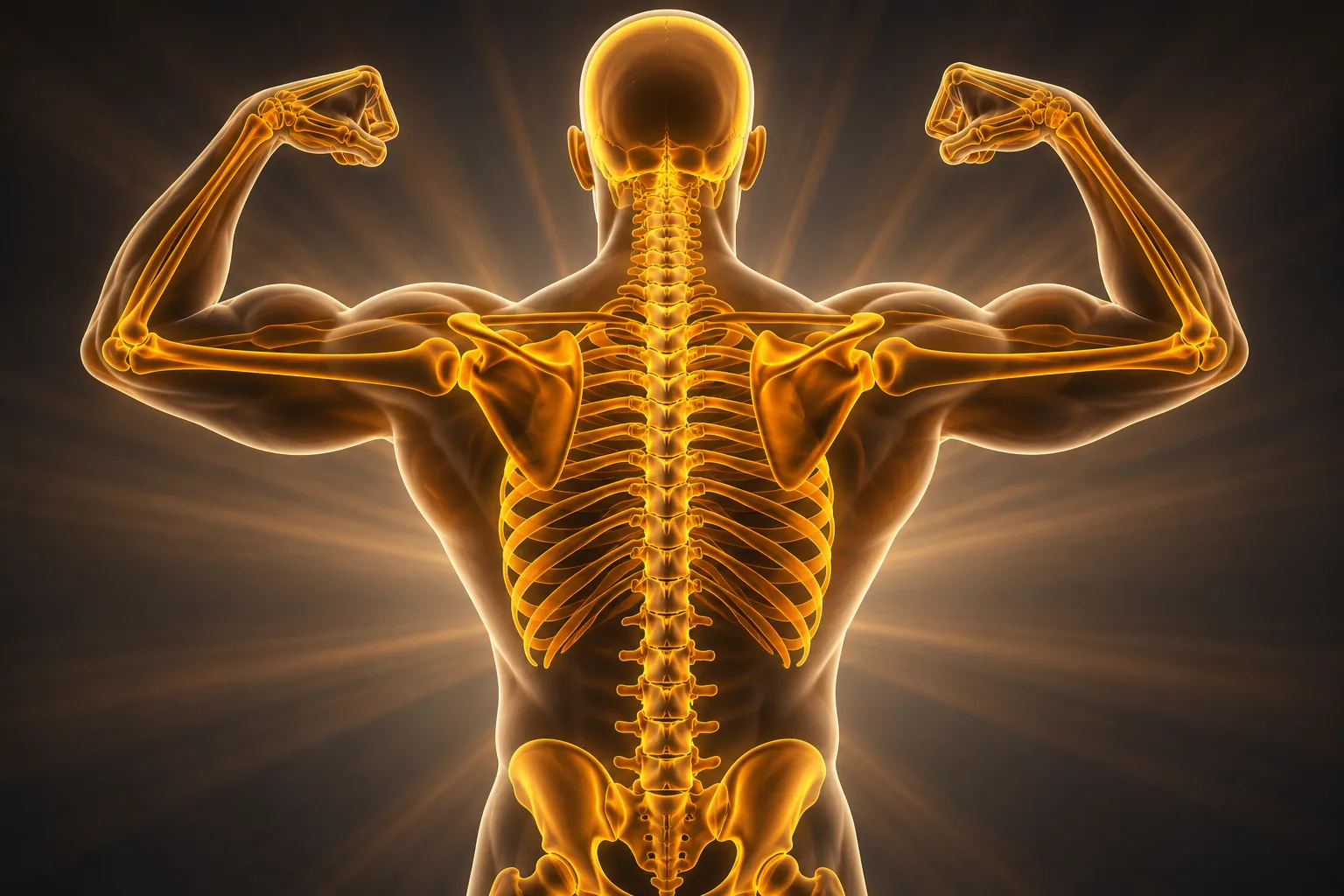
Maintaining bone density requires more than calcium alone, according to nutritionists and fitness experts who point to a network of nutrients and weight-bearing exercise as essential for skeletal health. Calcium, vitamin D, vitamin K2, protein, magnesium, zinc, and copper each play distinct roles in bone formation and maintenance, and experts emphasize that no single nutrient or exercise alone is sufficient.
Nutritionist Eddy Chang of Koii Nutrition Consulting Center told The Epoch Times that “many people focus only on calcium, but maintaining strong bones requires a combination of nutrients and regular exercise.” This framing is consistent with broader clinical guidance, including a 2016 National Osteoporosis Foundation position statement published in Osteoporosis International, which concluded that lifestyle choices influence 20 to 40 percent of adult peak bone mass and that calcium intake and physical activity, especially during late childhood and peripubertal years, carry the strongest evidence (grade A) for promoting bone health.
Which nutrients support bone formation and maintenance?
Calcium is the primary mineral for bone strength. Chang recommended 800 to 1,000 milligrams per day for most adults and 1,200 mg daily for postmenopausal women and people with osteoporosis. According to Dr. Michael T. Murray in “Textbook of Natural Medicine,” effective absorption of calcium requires both vitamin D3 and vitamin K2; without adequate vitamin D, only 10 to 15 percent of dietary calcium is absorbed.
Vitamin D enables calcium absorption, with 600 IU daily recommended for most adults and 800 IU after age 70. Vitamin K2, particularly the MK-7 form found in natto, activates proteins that direct calcium into bone. The Alliance for Natural Health noted that nutritional and functional medicine practitioners favor synergistic combinations of nutrients for bone formation, including zinc, magnesium, vitamin D, vitamin K2, and others.
Protein supports the collagen framework, while magnesium, zinc, and copper aid vitamin D activation and bone remodeling. A 2025 review in the journal Nutrients by Dominguez and colleagues further highlighted how magnesium and vitamin D are closely linked, noting that vitamin D aids magnesium absorption while magnesium is vital for vitamin D synthesis, transport, and activation, a relationship the authors describe as especially relevant for active populations whose magnesium needs may exceed the 300 to 400 mg per day typically estimated for healthy adults.
How can nutrient absorption be maximized?
Absorption of bone-building nutrients depends on how they are consumed. Chang stated that fat-soluble vitamins D and K2 should be taken with meals containing healthy fats such as olive oil, avocado, or nuts to improve absorption. Calcium supplements are best absorbed in divided doses of about 400 mg three times daily rather than one large dose, according to Chang.
Supplements should complement, not replace, whole foods, Chang emphasized. A varied diet provides synergistic nutrients that isolated supplements may lack. The book “Your Bones” by Lara Pizzorno and Jonathan Wright discusses the importance of balanced intake and the risks of nutrient imbalances, such as zinc and copper competing for absorption. The “Textbook of Natural Medicine” further notes that vitamin K-dependent proteins like osteocalcin are activated by vitamin K2 to deliver calcium to bones.
Why does weight-bearing exercise matter for bones?
Nutrition provides the building materials; exercise provides the signal to use them. Wolff’s Law states that bones adapt to mechanical stress, and weight-bearing activities stimulate bone-forming cells to increase density. According to “Strong Bones for Life: The Science-Backed Guide,” Wolff’s Law and the role of osteocytes in mechanotransduction are fundamental to understanding how bones strengthen under load.
Exercise also reduces chronic stress, which can raise cortisol and accelerate bone loss. Blake Myers wrote in “The Natural Apothecary” that nutrient deficiencies such as calcium, magnesium, and vitamin D can predispose individuals to osteoporosis, and that immobilization is a risk factor. Non-weight-bearing activities like swimming and cycling benefit cardiovascular health but provide little skeletal stress, experts noted.
What bodyweight exercises help build bone density?
Certified personal trainer Amber Yang recommended six bodyweight exercises that require no equipment: heel raises, small jumps, jumping jacks, squat jumps, single-leg stand, and step-ups. These exercises apply mechanical stress to bones and can be performed daily. Proper form is emphasized to reduce injury risk. For squat jumps, Yang advised landing gently on toes and avoiding knee collapse. The single-leg stand improves balance and coordination, which can help prevent falls.
A review in the journal Nutrients discussed how targeted physical activity, combined with adequate nutrition, can help combat age-related bone loss.
What do experts conclude about maintaining bone density?
Combining adequate intake of multiple nutrients with regular weight-bearing exercise is essential for maintaining bone density, based on expert guidance. No single nutrient or exercise alone suffices; the process requires coordinated nutritional and mechanical inputs. According to the Health Ranger Report, a combination of vitamin D3, K2, and calcium from natural sources can support bone health, but it must be part of a broader lifestyle.
FAQ
What nutrients do experts say are needed for bone health beyond calcium?
Experts cited in the source name vitamin D, vitamin K2 (especially the MK-7 form found in natto), protein, magnesium, zinc, and copper. These nutrients support calcium absorption, the collagen framework, and bone remodeling.
How much calcium and vitamin D do experts recommend daily?
Nutritionist Eddy Chang recommends 800 to 1,000 milligrams of calcium per day for most adults and 1,200 mg for postmenopausal women and people with osteoporosis. For vitamin D, 600 IU daily is recommended for most adults and 800 IU after age 70.
Which bodyweight exercises are recommended to support bone density?
Certified personal trainer Amber Yang recommends heel raises, small jumps, jumping jacks, squat jumps, single-leg stand, and step-ups. These weight-bearing movements apply mechanical stress that stimulates bone-forming cells.