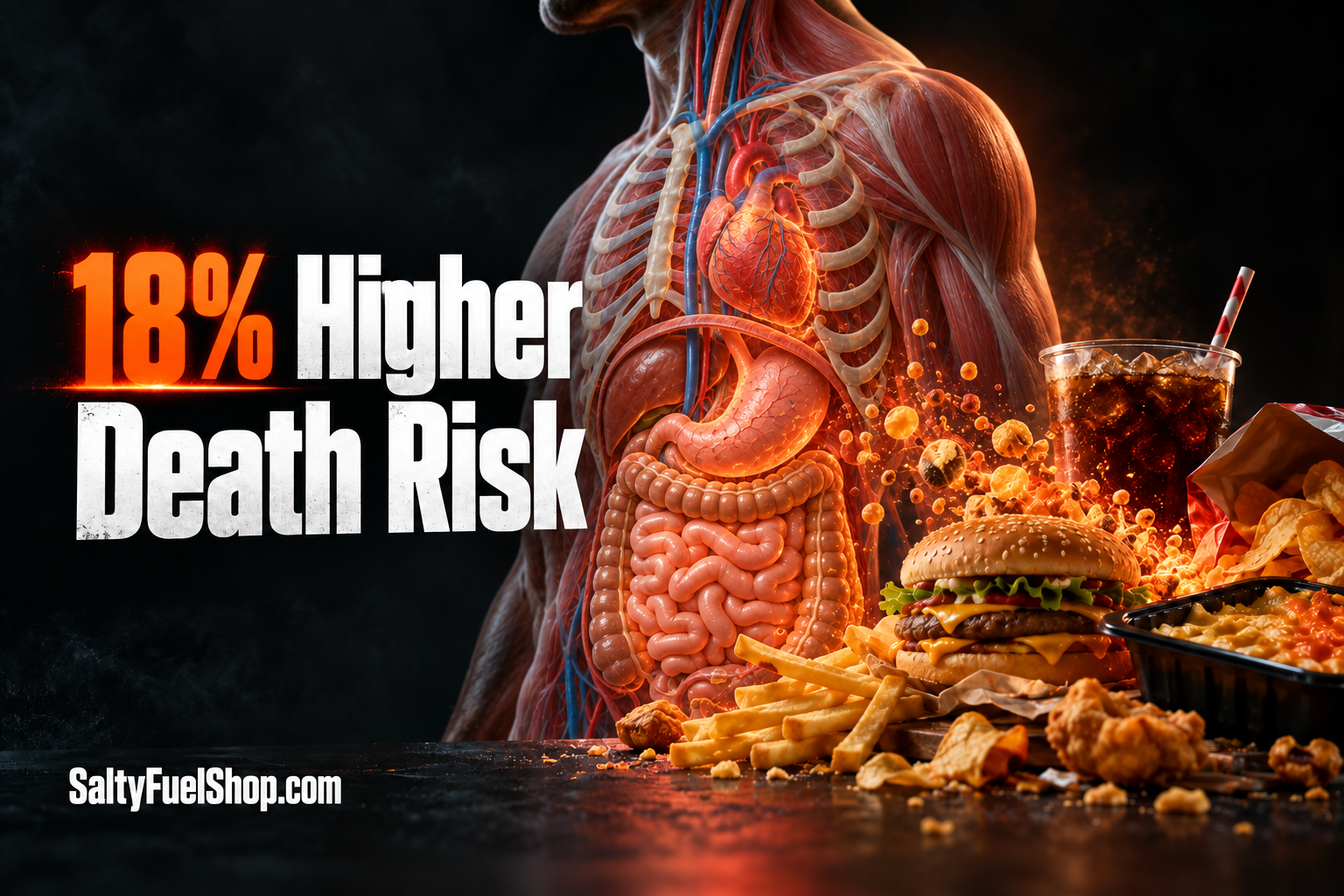
A clearer picture of what is on the plate now comes with a clearer picture of what that plate is doing to the body. A new meta-analysis covering 51 studies and 8.8 million adults links higher consumption of ultra-processed foods to a 24% greater risk of cardiovascular events, a 12% rise in cancer risk, and an 18% increase in all-cause mortality, along with higher rates of diabetes, obesity, depression, and gastrointestinal disease.
What the study measured and who it covered
The analysis, published in Family Medicine and Community Health, pooled data from studies spanning 32 years and diverse populations. Researchers compared reported ultra-processed food intake against health outcomes to estimate relative risk. Key dose-response findings include a 14% jump in cardiovascular risk for every additional 100 grams of ultra-processed food consumed daily, a 4% rise in cancer risk for the same increment, and a 31% increase in the likelihood of gastrointestinal disease among high consumers.
How ultra-processed foods are defined
Ultra-processed foods, often shortened to UPFs, are industrial formulations made mostly from substances derived from foods plus cosmetic additives. They include ready-to-eat meals, packaged snacks, sugary cereals, processed meats, frozen pizzas, and heat-and-serve products. Processing strips nutrients while adding preservatives, flavor enhancers, emulsifiers, and sweeteners. In many countries, these items now account for more than 60% of daily calories.
The cascade of health risks beyond the heart
The cardiovascular and cancer signals are the most cited, but the study surfaces a wider pattern of harm:
- Metabolic syndrome and diabetes: 24% higher risk among high consumers.
- Obesity: 23% higher risk.
- Hypertension: 11% greater risk.
- Gastrointestinal disease: 31% higher risk.
- Depression and anxiety: 27% higher risk.
These conditions frequently co-occur, requiring patients to manage multiple chronic illnesses at once.
Why processed food may harm the body
Several mechanisms are under investigation. Processing changes a food’s physical structure, which can promote inflammation and insulin resistance. Emulsifiers and artificial sweeteners appear to disrupt the gut microbiome, the community of bacteria that regulates immunity and metabolism. Contaminants created during high-heat processing, including acrylamide and acrolein, have been tied to cardiovascular damage. Researchers describe a “cocktail effect,” in which multiple additives interact to amplify toxicity beyond what any single ingredient would cause on its own.
How did ultra-processed food become so dominant?
The shift began with the 1950s convenience revolution, when TV dinners and instant meals were marketed as solutions for busy households. Industrialization and urbanization accelerated the move from fresh, whole foods to packaged alternatives. Aggressive marketing, lower production costs, and long shelf life made these products attractive to both manufacturers and consumers, while fresh produce and home cooking receded from daily routines.
What the study cannot prove
The analysis relies on self-reported dietary data, a method prone to error, and cannot establish direct cause and effect. Lifestyle factors such as smoking, physical activity, and income may also influence the results. Even so, the consistency of the signal across 51 studies and many populations strengthens the case that the association is real and worth acting on.
What governments and regulators could do
The study’s authors and outside experts point to several policy tools. Front-of-pack warnings would let shoppers identify ultra-processed items at a glance. Taxes on ultra-processed products and subsidies for fresh fruits, vegetables, legumes, and whole grains would shift prices in a healthier direction. Restrictions on the most harmful additives, paired with clearer labeling rules, would address ingredients that currently fly under the radar. School and workplace meals built around whole foods would reinforce the same message outside the home.
What individuals can do at the grocery store
Reading ingredient lists is the simplest filter. Products with long lists of unfamiliar additives, sweeteners, or emulsifiers are the ones to reduce. Replacing packaged snacks with fruits, nuts, and whole grains, and swapping sugary drinks for water, cuts cumulative exposure without requiring a complete diet overhaul. Preparing meals at home, even a few more times a week, tends to reduce ultra-processed intake as a side effect.
What the evidence adds up to
No single study can answer every question, but when 51 analyses across decades and continents all point in the same direction, the pattern is hard to dismiss. The evidence suggests that convenience, when purchased in the form of ultra-processed food, carries a measurable cost in heart disease, cancer, metabolic disorders, and shortened lives. Choosing whole foods more often is the practical response the evidence supports.
FAQ
What counts as an ultra-processed food?
Ultra-processed foods are industrial products made mostly from food-derived substances plus cosmetic additives such as preservatives, emulsifiers, and artificial flavors. Common examples include packaged snacks, sugary cereals, processed meats, frozen ready meals, and sugary drinks.
How much ultra-processed food is too much?
The meta-analysis found that risk rose with every additional 100 grams of ultra-processed food consumed daily, including a 14% higher cardiovascular risk and a 4% higher cancer risk per 100-gram increment. The study does not define a safe threshold, but reducing intake from current levels is the practical takeaway.
What are the biggest health risks linked to ultra-processed food?
The analysis linked higher ultra-processed food intake to a 24% higher risk of cardiovascular events, a 12% higher cancer risk, an 18% higher risk of death from any cause, a 24% higher risk of diabetes, a 23% higher obesity risk, a 31% higher risk of gastrointestinal disease, and a 27% higher risk of depression and anxiety.