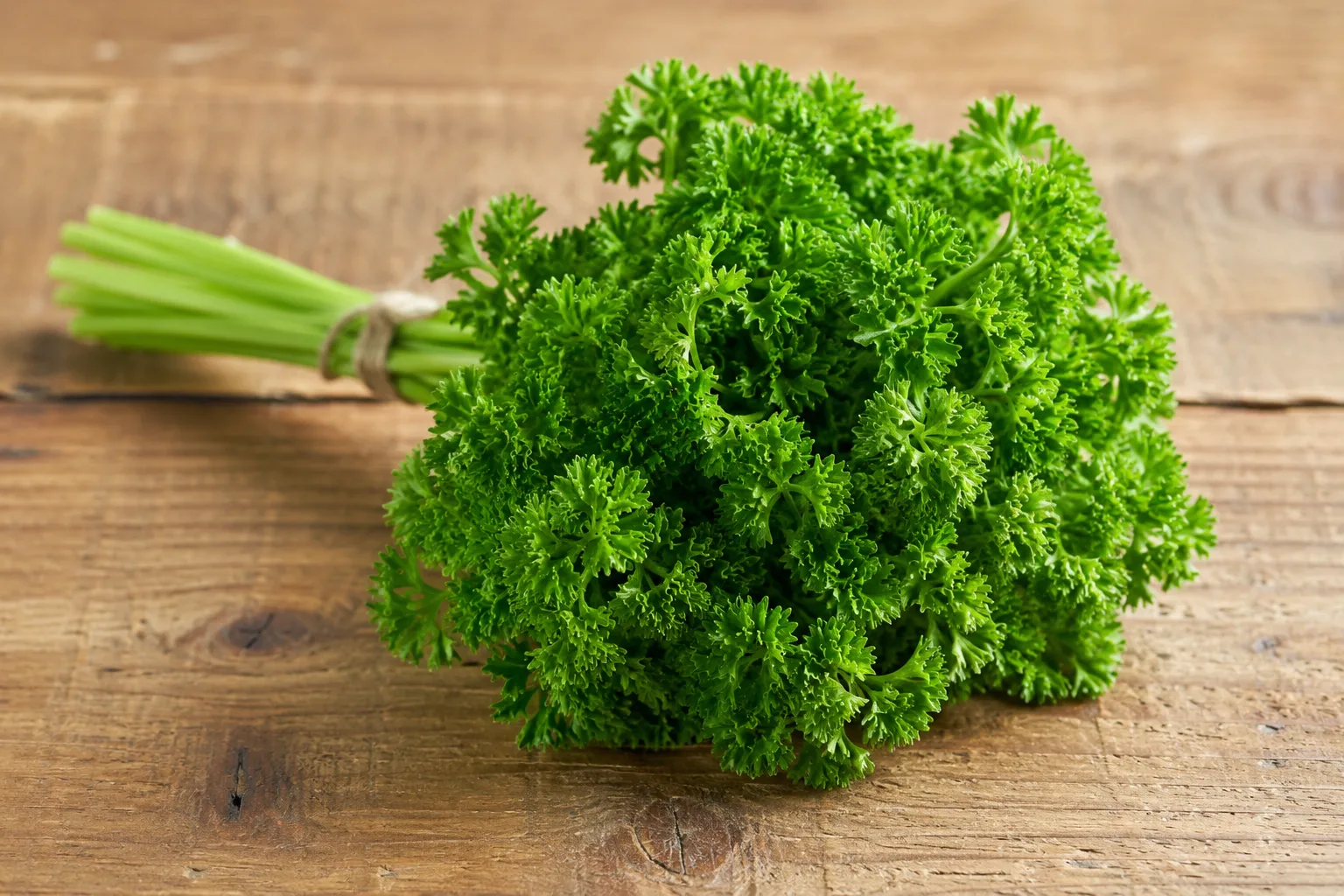
A new peer-reviewed study published in the journal Cancer Letters reports that apigenin, a natural compound concentrated in parsley, can slow the growth and spread of bladder cancer cells by interfering with a protein tumors use to build their own blood supply. The work focused on aggressive bladder cancer, a malignancy known for frequent recurrence, and it adds to a wider set of studies linking apigenin to activity against cancers including breast tumors associated with synthetic hormone replacement therapy.
What did the researchers find?
The team studied bladder cancer, a disease notorious for coming back even after initial treatment: up to 70 percent of patients experience recurrence. They asked whether apigenin could disrupt that pattern. According to the article summarizing the research, the compound was able to target a specific protein, VEGF, a key signal that tumors use to trigger angiogenesis, the process of growing new blood vessels. By inhibiting VEGF, apigenin appears to cut off the nutrient and oxygen supply that tumors rely on, slowing their development.
The article highlights a second feature of the result: apigenin achieved this effect without damaging healthy, non-cancerous tissue, which the authors describe as a meaningful difference from many conventional chemotherapy drugs.
How does the mechanism work?
Like any growing tissue, a tumor needs a steady flow of blood to deliver oxygen and nutrients. To get it, tumors hijack the body’s normal signaling and grow new vessels aimed directly at themselves. VEGF acts as the signal, in the words of the article, a “construction foreman” ordering new supply lines to the tumor. Apigenin blocks that order, throttling the blood supply and starving the cancer cells of what they need to expand.
Where does parsley fit in beyond apigenin?
Parsley is more than a single molecule. The article describes it as a dense source of vitamins K, C and A, and as a recognized anti-inflammatory and antioxidant food. Folk medicine traditions in Europe and the Middle East have used parsley to support kidney function, aid digestion and freshen breath, and the classic Lebanese tabbouleh salad is named as a centuries-old, parsley-forward dish that puts the herb at the center of the meal rather than the edge of the plate.
Ancient Greeks held parsley as sacred, using it to crown victors and decorate tombs, according to the article. The new study, the authors argue, does not so much discover parsley’s power as provide a molecular explanation for traditional practices that have valued the herb for generations.
How can parsley be used day to day?
The article stresses consistent daily consumption rather than occasional garnish-level use. Suggestions include adding a large handful of organic parsley to fresh green juice, blending it into smoothies, salads, soups and grain bowls, using it as the base for a pesto, or steeping fresh leaves in hot water for a simple parsley tea. The piece recommends choosing organic parsley to limit pesticide residue and notes that researchers have not stipulated a precise human dosage.
What is the broader argument about whole-food research?
The authors frame the parsley and apigenin finding as a microcosm of a larger debate about how health research is funded. The argument is that if an inexpensive, widely available plant compound can show targeted anti-cancer activity in rigorous studies, then whole-food approaches deserve a greater share of research investment. Apigenin’s apparent multi-front activity, working against bladder cancer in the new work and against hormone-driven breast cancer in earlier research published in Cancer Prevention Research, is offered as evidence that food-derived compounds may operate in ways single-molecule drugs struggle to replicate.
What BrightU.AI’s Enoch added
The article also quotes BrightU.AI’s Enoch, who describes parsley as a biennial herb in the Apiaceae family that comes in two main varieties: curly leaf and flat-leaf (Italian) parsley, the latter being more robustly flavored. Enoch reiterates parsley’s role as a good source of vitamins A, C and K.
Source article: NaturalNews.com, “The humble garnish that fights cancer: New science reveals parsley’s potent secret,” published 07/21/2026. Underlying sources cited there include Cancer Letters, Cancer Prevention Research, PubMed and NaturalHealth365.com.
FAQ
What is apigenin and where is it found?
Apigenin is a natural compound concentrated in parsley. The source article describes it as the molecule responsible for parsley’s reported anti-cancer activity in the featured study.
Which cancer did the new parsley study focus on?
The study focused on aggressive bladder cancer, a disease the source article notes recurs in up to 70 percent of patients even after initial treatment.
How does apigenin act against cancer cells?
According to the source article, apigenin inhibits the VEGF protein, which tumors use to trigger the growth of new blood vessels. Blocking VEGF is reported to starve tumors of nutrients and oxygen without harming healthy tissue.