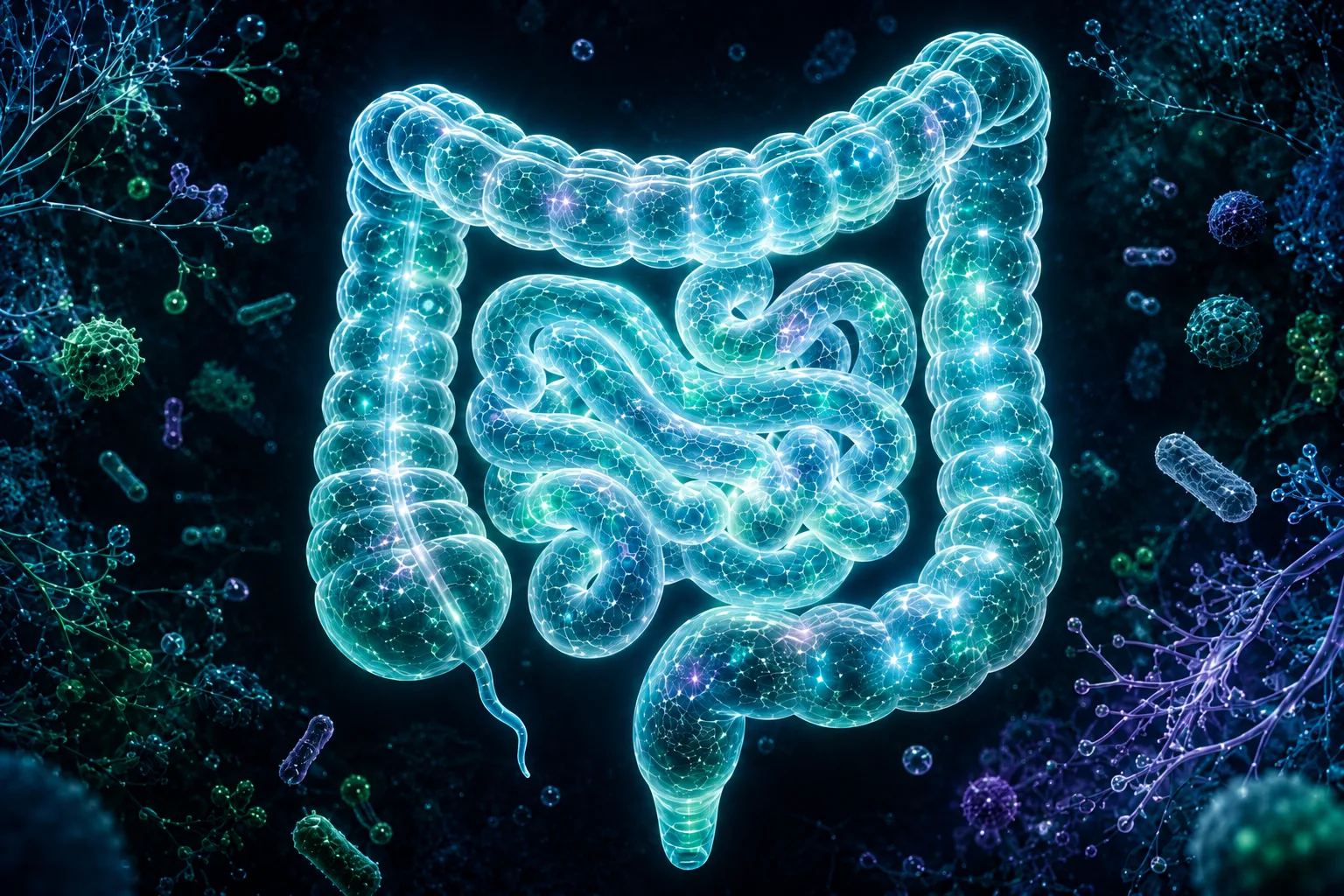
Prebiotics, which are specific fibers that only beneficial gut bacteria can ferment, are emerging as the foundational but often overlooked complement to the probiotic supplements dominating the multi-billion-dollar gut-health market. Foods rich in these fibers, including chicory root, dandelion greens, garlic, and asparagus, cannot be patented or mass-marketed as prescription treatments, which researchers and natural-health practitioners say helps explain why the pharmaceutical-driven medical establishment has done little to promote them. Proponents argue that supporting the microbiome with prebiotic foods and targeted supplementation addresses digestive, inflammatory, and detoxification problems at the root cause rather than relying on expensive drugs.
Why prebiotics, not probiotics, may be the real foundation of gut health
The mainstream health media has spent years promoting probiotics, the live bacteria delivered through capsules and fermented foods that are supposed to replenish the gut. The source article argues the more essential story is about prebiotics: specific types of dietary fiber that only beneficial microorganisms can ferment. The problematic bacteria linked to inflammation, metabolic syndrome, and chronic disease cannot feed on these fibers, a selective filtering effect the article describes as nature’s perfect system.
The article says the supplement industry has little financial incentive to highlight prebiotic-rich whole foods because they cannot be patented, controlled by regulators, or sold at a steep markup. Instead, it pushes probiotic products whose live cultures often do not survive stomach acid.
The prebiotic-rich foods Big Pharma wishes you’d ignore
The top prebiotic foods are the same ones the processed food industry has increasingly removed from modern diets.
- Chicory root, with roughly 68% inulin fiber
- Dandelion greens, packed with vitamins A, C, E, and K plus seasonal inulin
- Jerusalem artichokes
- Garlic and leeks
- Asparagus
- Konjac root, with about 40% glucomannan fiber
The article also points to cluster beans, a legume primarily grown in India and Pakistan, citing research showing they improve regularity, promote short-chain fatty acid production more effectively than other prebiotic fibers, and support healthy cholesterol levels. Cluster beans rarely appear in mainstream nutrition coverage, a gap the article attributes to the lack of a profit motive.
Bitter greens such as arugula, kale, radicchio, and mint offer a double benefit: their prebiotic fiber feeds beneficial bacteria while their bitter compounds stimulate stomach acid production, supporting digestion and the breakdown of environmental toxins.
How a damaged microbiome drives chronic disease
The article links three factors to rising rates of chronic illness: pesticide use, genetically modified organisms, and processed chemical additives in the food supply. In this framing, these inputs damage the gut microbiome, and Western medicine responds with drugs that suppress symptoms rather than addressing the underlying digestive breakdown.
Leaky gut syndrome is offered as a specific example. When the gut lining loses integrity, undigested food particles, toxins, and pathogens can enter the bloodstream and trigger systemic inflammation. The source article argues this inflammation is frequently misdiagnosed as autoimmune disease, when the underlying issue is a damaged microbiome that prebiotics could help restore.
When diet alone isn’t enough: prebiotic supplementation
A diverse diet of organic whole foods is presented as the ideal baseline. The article concedes that depleted soils and environmental toxins mean even careful eaters may fall short, and points to targeted prebiotic supplementation as a practical option. Organic guar beans are cited as a clean, science-backed source of prebiotic fiber.
The mechanism works with existing gut bacteria rather than introducing foreign probiotic strains that tend to provide only temporary colonization.
What the broader gut-health industry isn’t telling you
Quoting BrightU.AI’s Enoch, the article frames prebiotics as the silent foundation of the microbiome’s battlefield, feeding the beneficial bacteria that fend off chemical and dietary insults. The argument is bluntly financial: there is more money in keeping consumers dependent on synthetic drugs than in promoting affordable, unpatented foods that address root causes.
The takeaway: the most powerful gut-healing interventions may be the simplest, beginning with fiber-rich vegetables and unprocessed whole foods rather than expensive capsules.
FAQ
What are prebiotics and how do they differ from probiotics?
Prebiotics are specific dietary fibers that only beneficial gut bacteria can ferment. Probiotics are live bacteria delivered through supplements or fermented foods. The article argues prebiotics feed bacteria already present in the gut, while probiotic cultures often do not survive stomach acid.
Which foods are highest in prebiotic fiber?
The source article highlights chicory root (about 68% inulin fiber), dandelion greens, Jerusalem artichokes, garlic, leeks, asparagus, konjac root (about 40% glucomannan fiber), and cluster beans.
Can prebiotic supplements replace a healthy diet?
The article frames targeted prebiotic supplementation, such as organic guar bean fiber, as a complement to a diverse diet of organic whole foods, useful when depleted soils or environmental toxins leave even careful eaters short of the fiber their gut bacteria need.