Adults with diets rich in six antioxidant nutrients had lower lung cancer risk in two observational studies published in October 2026. The findings support eating more antioxidant-rich foods as a possible part of lung cancer prevention, while the researchers emphasized that the studies show associations rather than proof that diet caused the difference.
Researchers analyzed UK Biobank data and a separate case-control comparison. Both used detailed diet questionnaires and assessed vitamins A, C and E, along with zinc, selenium and manganese, as a combined antioxidant score.
What did the UK Biobank study find?
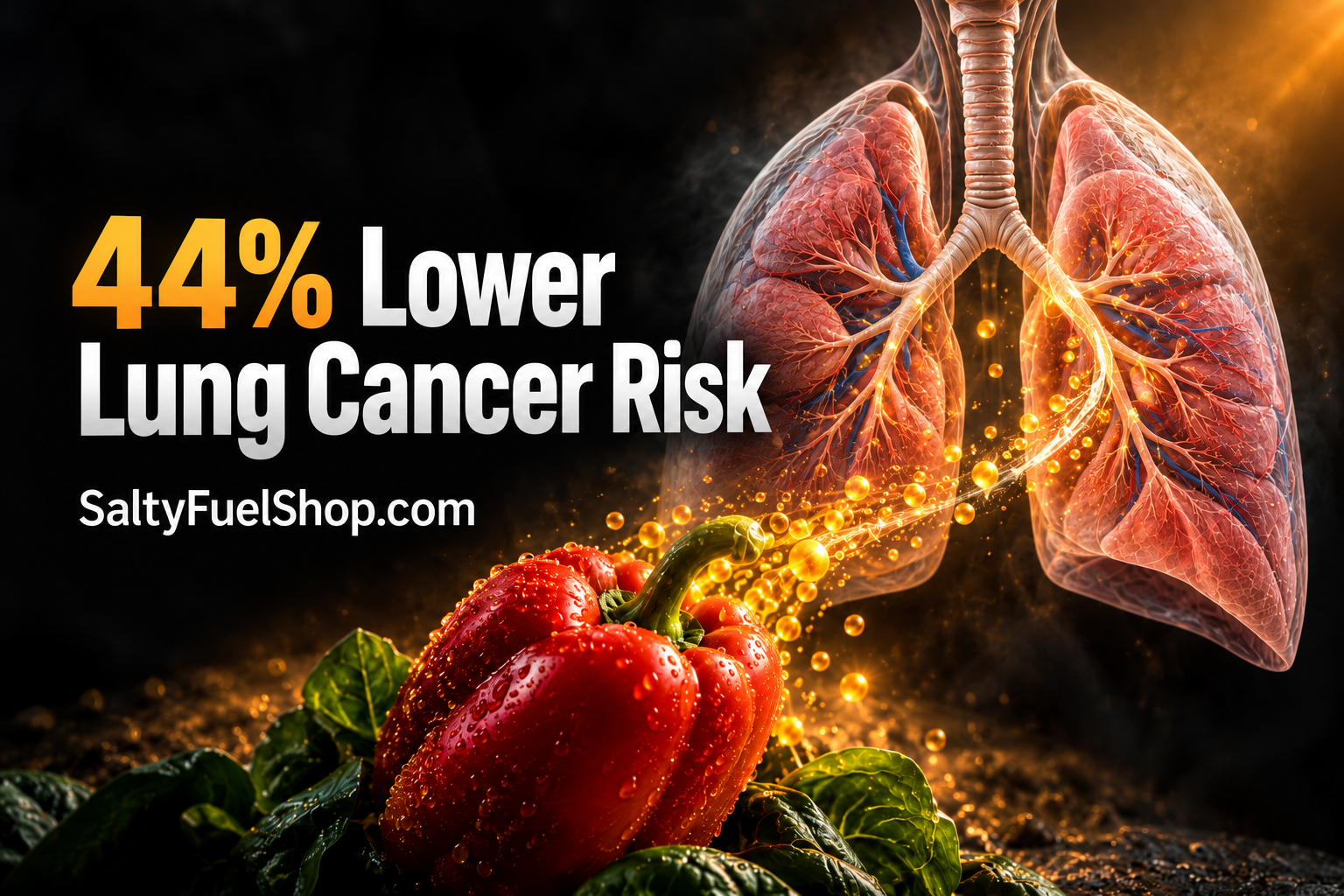
The UK Biobank analysis followed about half a million British adults for up to 13 years. Among adults in the highest third of antioxidant intake, lung cancer risk was 41% to 44% lower than among adults in the lowest third.
The association appeared across each subgroup and additional check conducted by the researchers. Because this was an observational study, the pattern does not establish that higher antioxidant intake directly reduced risk. Other dietary habits, lifestyle factors or health characteristics could help explain some of the association.
What did the second study find?
The second study compared people newly diagnosed with lung cancer with cancer-free adults from a large health study. After applying the same six-nutrient antioxidant score, researchers found 46% to 57% lower odds of lung cancer among people with the most antioxidant-rich diets.
The source did not identify the specific cohort or participant count for this analysis. Researchers said finding a similar pattern in two populations made the results harder to dismiss, but both studies remained observational and could not establish cause and effect.
Which foods supplied the nutrients?
The findings concerned total antioxidant intake. The report identified everyday foods that provided some or all of the assessed nutrients.
- Vitamins C and A: bell peppers, broccoli, kiwi, citrus, berries, carrots, sweet potatoes, spinach and kale.
- Vitamin E: sunflower seeds, avocados, spinach and extra virgin olive oil.
- Zinc and selenium: sardines, salmon, eggs, beef, mushrooms and pumpkin seeds.
These examples do not amount to a prescribed menu or daily intake target. The report did not give a specific dietary target or recommend antioxidant supplements for lung cancer prevention.
How might antioxidants support lung health?
The lungs encounter oxygen, pollutants, smoke and airborne chemicals that can create unstable molecules called free radicals. Free radicals can damage cells and DNA over time. Antioxidants help neutralize them, according to the report.
Vitamin C and vitamin E can support each other, while zinc and selenium help power the body’s antioxidant enzymes. The studies measured the combined intake of six nutrients, so their findings do not show how much any individual nutrient contributed.
What about beta-carotene supplements?
The report advised smokers to avoid high-dose beta-carotene pills because earlier trials linked them with increased lung cancer risk. It described food sources of vitamin A as the better choice and cited a book stating that even among smokers, high dietary intake of beta-carotene was not associated with increased risk.
This caution applies to high-dose supplements, not the produce-based foods described in the studies. The source did not recommend antioxidant supplementation or claim that pills provide the same benefit as foods.
What else supported lung health in the report?
The report also cited radon testing, HEPA air purifiers, kitchen ventilation and avoiding secondhand smoke as measures for protecting air quality. These are separate from dietary choices, and the studies did not directly test them.
What are the main limitations?
Both October 2026 studies relied on observational evidence and detailed diet questionnaires. That approach can identify patterns across large groups, but it cannot separate the effect of antioxidant-rich diets from other influences on lung cancer risk.
The UK Biobank analysis followed about 500,000 adults, while the source gave no participant count for the second study. Both focused on six nutrients as a combined score rather than testing individual foods or supplements. The findings support a diet rich in colorful produce without establishing a clinical prevention recommendation.
What to do now
- Add a variety of deeply colored fruit and vegetables to regular meals, using the foods listed in the report as everyday options.
- Include foods that provide vitamin E, zinc and selenium, such as sunflower seeds, avocados, olive oil, sardines, salmon, eggs, mushrooms and pumpkin seeds.
- Use the studies as evidence for food-based eating patterns, not as proof of cause or a required intake target.
- Avoid high-dose beta-carotene pills if you smoke, because earlier trials found increased lung cancer risk.
- Consider the report’s separate air-quality measures, including radon testing, HEPA filtration, kitchen ventilation and avoiding secondhand smoke.
FAQ
Do antioxidant-rich diets prevent lung cancer?
The two observational studies associated higher antioxidant intake with lower lung cancer risk, but they did not prove that the diets caused the lower risk.
Which antioxidant nutrients were studied?
Researchers scored diets using vitamins A, C and E, plus zinc, selenium and manganese.
Should smokers take beta-carotene supplements?
The report advised smokers to avoid high-dose beta-carotene pills because earlier trials found that they raised lung cancer risk.
Related coverage
- Carotenoid-Rich Foods Linked to Lower Breast Cancer Risk in Case-Control Study
- Daily Nut Intake Linked to Lower Hypertension Risk