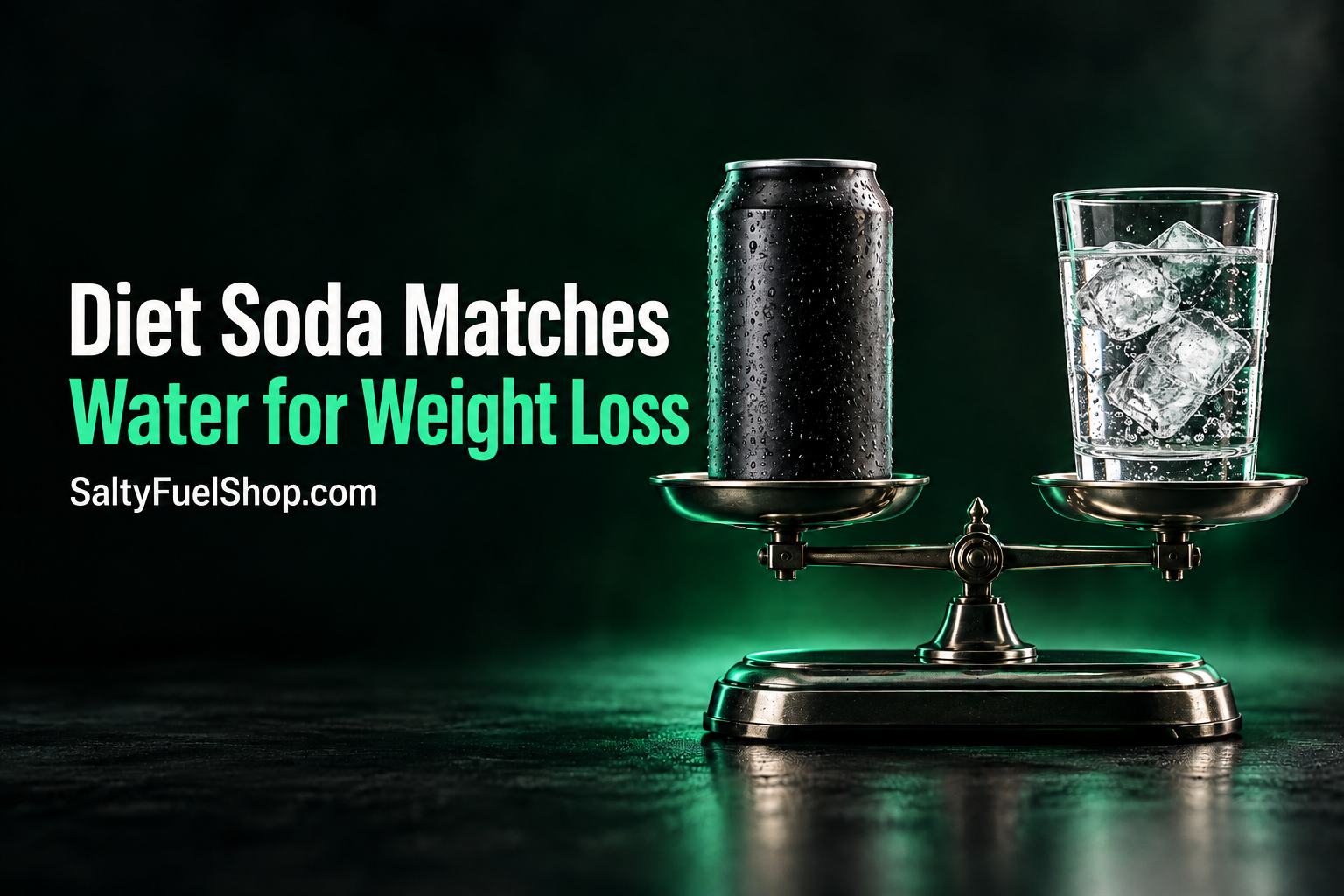
Adults trying to manage their weight now have two-year randomized evidence that diet soft drinks perform about as well as water, without the appetite or metabolic effects that earlier observational studies raised concerns about. The SWITCH trial, published in the British Journal of Nutrition, followed 493 adults with overweight or obesity through a structured behavioral program and found nearly identical weight loss in both groups, along with comparable improvements in waist size, body composition, and key metabolic markers.
What the SWITCH trial compared
The trial, led by researchers at the University of Liverpool, is the longest and most comprehensive randomized controlled study to date on non-nutritive sweetened (NNS) soft drinks. NNS beverages use low-calorie or calorie-free sugar substitutes such as aspartame, acesulfame-K, and sucralose. Participants were randomly assigned to drink either water or commercially available diet beverages each day, in addition to taking part in a structured behavioral weight management program. All sweetener amounts stayed well within European Food Safety Authority (EFSA) safety thresholds.
The program ran for 104 weeks, including a final year when participants were no longer receiving active support from the study team. That maintenance phase matters because it tested whether any early differences between the drinks held up once the formal intervention ended.
Weight loss results were nearly identical
- Weight loss at 104 weeks: 4.8 kg in the NNS beverage group versus 3.7 kg in the water group, a difference that was not statistically significant.
- Both groups kept the weight off across the full two years, including during the maintenance year without study support.
- Waist and hip circumference, body composition, and several metabolic biomarkers improved in both groups at similar rates.
- Blood pressure and cholesterol showed no clinically meaningful differences linked to long-term consumption of aspartame, acesulfame-K, or sucralose compared with water.
- Sugar intake dropped in both groups, with a slightly larger reduction among participants drinking NNS beverages.
None of the measured outcomes showed that NNS beverages disrupt appetite regulation or cause long-term metabolic harm.
Why this matters for the sweetener debate
The findings land in the middle of an active policy debate. The World Health Organization (WHO) currently advises against using non-sugar sweeteners for weight control, citing uncertainty in observational research. Observational studies can flag associations but cannot prove cause and effect, and the WHO guidance reflects that uncertainty. SWITCH adds long-term randomized evidence to a discussion that, until now, has leaned heavily on shorter or non-randomized data.
The trial was funded by the American Beverage Association. According to the researchers, the study team operated independently from the funder and retained full control over the analysis and reporting of the results.
What the trial does and does not say
SWITCH compared NNS beverages against water in adults actively trying to lose weight. It did not test diet drinks against sugar-sweetened soft drinks, nor did it measure effects in children or in adults without overweight or obesity. The results show that, for adults in a weight management program, drinking diet beverages did not slow weight loss, raise appetite, or harm metabolic health compared with drinking water.
The full paper, “Effect of non-nutritive sweetened beverages versus water on body weight: long-term results of a randomised controlled trial,” was published in the British Journal of Nutrition in October 2026. Earlier findings from the same trial were reported in the International Journal of Obesity in 2023.
FAQ
Do diet drinks work as well as water for weight loss?
Over two years in the SWITCH trial, diet beverage drinkers lost 4.8 kg and water drinkers lost 3.7 kg, a difference that was not statistically significant. Both groups also kept the weight off in the maintenance year.
Did the trial find any harm from aspartame, acesulfame-K, or sucralose?
No. Researchers found no clinically meaningful differences between the NNS and water groups in blood pressure, cholesterol, or other metabolic biomarkers across the 104-week study.
Who funded the SWITCH trial?
The American Beverage Association funded the research. The study team stated they operated independently from the funder and retained full control over the analysis and reporting of the results.
Related coverage
This article summarizes reporting from sciencedaily.com.