Pairing fatty fish, cod liver oil and UV-exposed mushrooms with the day’s meals offers a practical path to covering more of the recommended 600 to 800 IUs of vitamin D that adults need each day, far beyond what egg yolks alone can deliver. With about one in four Americans running low on this nutrient, choosing the right foods changes bone and immune outcomes more than most people realize.
Why eggs fall short for vitamin D
A single yolk carries only about 40 to 50 international units of vitamin D, a small fraction of the daily target. For an adult aiming for 600 to 800 IUs, eggs function as a complement rather than a foundation. Modern indoor routines, sunscreen use and northern latitudes have pushed deficiency rates higher, which is why nutrition guidance now points to foods that supply far more vitamin D per serving.
Fatty fish: the strongest whole-food sources
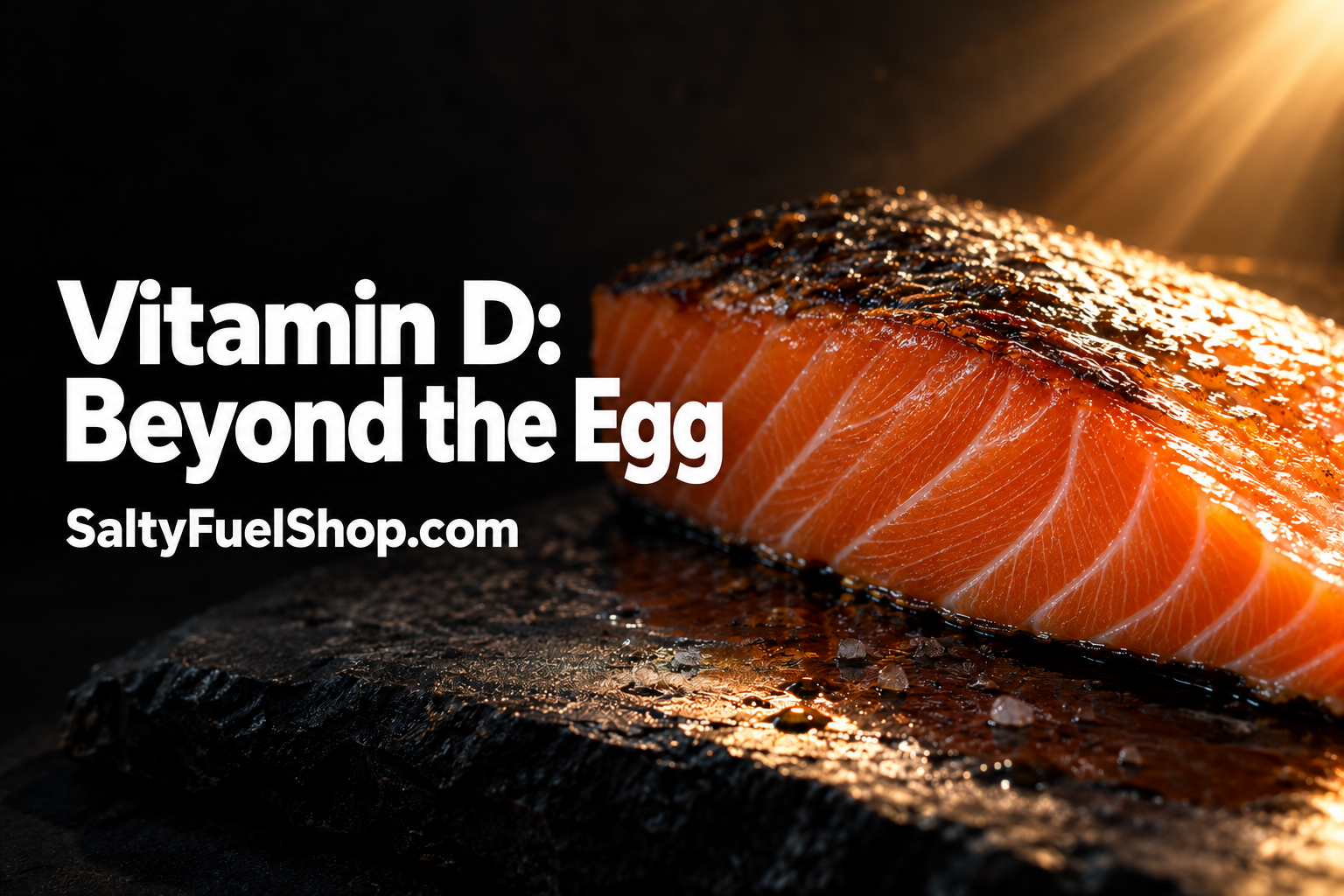
A three-ounce serving of cooked rainbow trout supplies 645 IUs, covering 81% of the daily value. Cooked salmon delivers 570 IUs per serving, or 71% of daily needs. Both fish bring omega-3 fatty acids alongside the vitamin D, supporting heart health and lowering inflammation at the same time.
Sardines often get overlooked. Four small sardines provide about 12% of the daily value, plus calcium and B12. Canned light tuna contributes 269 IUs per serving, though consumers typically monitor mercury intake and cap consumption to stay within safe limits.
Cod liver oil: the most concentrated option
A single tablespoon of cod liver oil contains 1,360 IUs of vitamin D, exceeding any whole food on the list. The trade-off is vitamin A: a tablespoon also delivers a large preformed vitamin A dose, which can build up to toxic levels over time. Limiting intake to under one teaspoon a day is the standard precaution to keep headaches and nausea at bay.
Mushrooms: the plant-based source that works
Mushrooms are the only plant-based food that naturally produces vitamin D. Under ultraviolet light, mushrooms synthesize vitamin D2 through the same process human skin uses to make D3. UV-exposed maitake mushrooms can contain over 2,000 IUs per three-ounce serving. Most store-bought mushrooms grow in the dark and carry little vitamin D unless they are specifically treated with UV light.
Who needs these foods most
Groups at higher risk of low vitamin D benefit most from food-based strategies.
- Breastfed infants, whose mothers’ milk contains limited vitamin D and who typically need a supplement.
- Older adults, whose skin synthesizes vitamin D less efficiently and whose absorption tends to drop.
- People with darker skin, since higher melanin reduces vitamin D production from sunlight.
- Anyone with inflammatory bowel disease, celiac disease or Crohn’s disease, conditions that interfere with absorbing fat-soluble vitamins.
- People in northern latitudes or with minimal outdoor time, who lack the UV exposure that drives skin-based production.
The calcium connection
Vitamin D’s main job in the body is enabling calcium absorption for bone health. Without enough vitamin D, the calcium someone eats is not used efficiently, and osteoporosis risk rises. Adults 19 to 50 need 1,000 milligrams of calcium a day, while adults over 50 need 1,000 to 1,200 milligrams. Pairing vitamin D-rich foods with calcium sources maximizes the skeletal benefit.
A practical weekly approach
The dietary path is straightforward. Eating fatty fish twice a week covers most of the daily vitamin D need on those days. Adding UV-exposed mushrooms to meals, choosing fortified plant-based beverages or orange juice, and keeping canned fish like sardines or light tuna on hand fills the rest of the week. For those at high deficiency risk, supplements remain a safe and effective option, though whole foods deliver additional nutrients that pills do not replicate.
The core vitamin D numbers per serving, for quick reference:
- Cod liver oil (1 tablespoon): 1,360 IUs, or 170% of the daily value.
- Rainbow trout (3 ounces, cooked): 645 IUs, or 81% of the daily value.
- Salmon (3 ounces, cooked): 570 IUs, or 71% of the daily value.
- Canned light tuna (3 ounces): 269 IUs, or roughly a third of the daily value.
- Sardines (4 small fish): about 12% of the daily value.
- Egg yolk (1 large): 40 to 50 IUs.
FAQ
What foods are highest in vitamin D besides eggs?
Cod liver oil at 1,360 IUs per tablespoon leads the list, followed by rainbow trout at 645 IUs per 3-ounce serving, salmon at 570 IUs per serving, canned light tuna at 269 IUs per serving, UV-exposed maitake mushrooms at over 2,000 IUs per 3-ounce serving, and sardines at about 12% of the daily value per four-fish serving.
How much vitamin D do adults need each day?
Most adults need 600 to 800 IUs of vitamin D daily to support bone strength and immune function, with higher targets in some deficiency-risk groups.
Can mushrooms provide vitamin D for vegetarians?
Yes. Mushrooms are the only plant-based food that naturally produces vitamin D, and UV-exposed varieties such as maitake can contain over 2,000 IUs per 3-ounce serving. Most standard store-bought mushrooms grow in darkness and carry little vitamin D unless they are specifically UV-treated.
Why is cod liver oil limited to less than a teaspoon a day?
Cod liver oil delivers very high preformed vitamin A alongside its vitamin D. Because excess vitamin A can accumulate to toxic levels and cause headaches or nausea, daily intake is typically capped at under one teaspoon.