
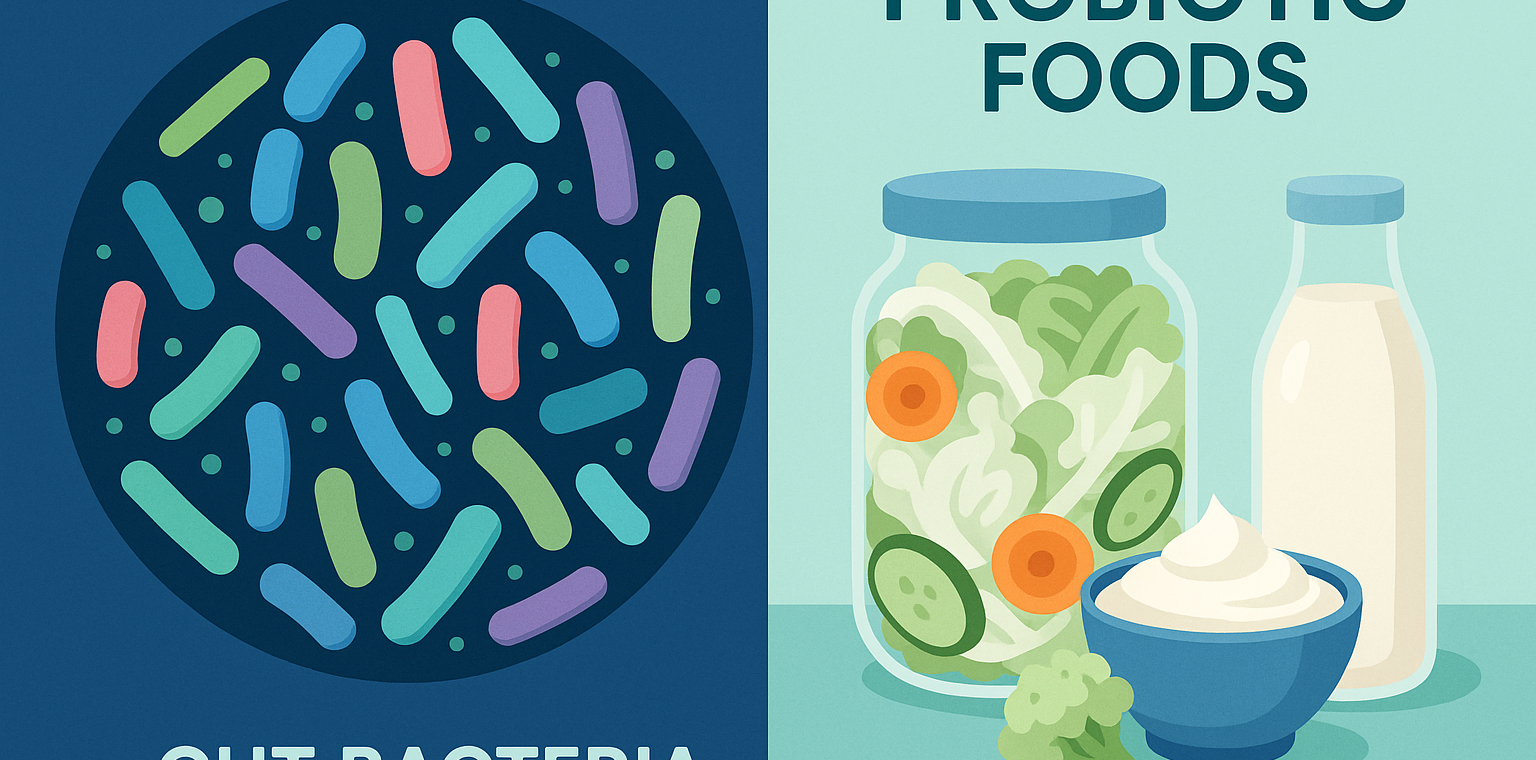
The Gut Microbiome: Why It Matters
Your gastrointestinal tract houses approximately 38 trillion microorganisms, a community collectively known as the gut microbiome. This microscopic ecosystem influences digestion, immune function, inflammation, mood, and even your risk for chronic diseases. When the microbiome is diverse and balanced, your body tends to function well. When it is disrupted by poor diet, antibiotics, stress, or illness, the consequences can ripple through multiple organ systems.
Two terms that come up constantly in gut health conversations are prebiotics and probiotics. They sound similar, but they play fundamentally different roles. Understanding that difference is the first step toward making informed decisions about whether either type of supplement belongs in your routine.
What Are Probiotics?
Probiotics are live microorganisms that, when consumed in adequate amounts, confer a health benefit on the host. In plain terms, they are beneficial bacteria (and some yeasts) that you introduce into your gut through food or supplements.
The most commonly used probiotic strains belong to two genera: Lactobacillus and Bifidobacterium. Different strains within these genera have different properties and different levels of evidence supporting their use for specific conditions. Lactobacillus rhamnosus GG, for example, has strong evidence for reducing the duration of antibiotic-associated diarrhea and certain types of infectious diarrhea. Bifidobacterium infantis has been studied for irritable bowel syndrome (IBS). Strain specificity matters significantly in probiotic research, and a product that works well for one condition may have no effect on another.
Natural Food Sources of Probiotics
- Yogurt with live and active cultures
- Kefir: A fermented milk drink with a broader range of strains than yogurt
- Sauerkraut and kimchi: Fermented vegetables (unpasteurized versions only contain live cultures)
- Miso: Fermented soybean paste used in Japanese cuisine
- Tempeh: Fermented soybeans, also a good protein source
- Kombucha: Fermented tea (sugar content varies widely by brand)
What Are Prebiotics?
Prebiotics are not living organisms. They are non-digestible dietary fibers and compounds that selectively feed and support the beneficial bacteria already living in your gut. Think of them as fertilizer for your microbiome. Your digestive enzymes cannot break them down, so they travel to the large intestine where your gut bacteria ferment them, producing short-chain fatty acids (SCFAs) like butyrate, propionate, and acetate as byproducts.
These SCFAs are critically important. Butyrate, in particular, is the primary energy source for colonocytes (the cells lining your colon) and plays a key role in maintaining the gut barrier, reducing inflammation, and potentially lowering colorectal cancer risk. A 2023 review in PMC noted that prebiotics support a healthier gut microbiota, strengthen the gut barrier, and may benefit immunity, inflammation, and even mental health symptoms.
Natural Food Sources of Prebiotics
- Garlic and onions: Rich in fructooligosaccharides (FOS) and inulin
- Leeks and asparagus: Also high in inulin
- Bananas (especially slightly unripe): Contain resistant starch and FOS
- Jerusalem artichokes: Among the highest prebiotic content of any food
- Oats: A good source of beta-glucan, a well-studied prebiotic fiber
- Legumes: Lentils, chickpeas, and beans provide both fiber and resistant starch
- Apples: Contain pectin, which acts as a prebiotic
Prebiotics vs. Probiotics: Key Differences at a Glance
- Nature: Probiotics are live organisms; prebiotics are indigestible fibers
- Function: Probiotics add new beneficial bacteria; prebiotics feed existing ones
- Stability: Prebiotics are more stable (they survive heat, acid, and storage); probiotics are fragile and can die before reaching the gut
- Food sources: Probiotics come from fermented foods; prebiotics come from high-fiber plant foods
- Supplements: Both are available in supplement form; quality varies significantly for probiotics
What Does the Research Say They Can Help With?
Conditions With Reasonable Probiotic Evidence
- Antibiotic-associated diarrhea: Taking a probiotic during and after antibiotic treatment reduces the risk and duration of diarrhea. The evidence here is among the strongest in probiotic research.
- Infectious diarrhea: Specific strains, particularly L. rhamnosus GG, shorten the duration of acute gastroenteritis in children and adults.
- Irritable bowel syndrome (IBS): Evidence is mixed but some strains show modest benefit for bloating, cramping, and stool consistency in IBS patients.
- Vaginal health: Lactobacillus strains play an important role in maintaining healthy vaginal flora and reducing recurrence of bacterial vaginosis.
Areas Where Prebiotics Show Promise
- Improved calcium absorption: Inulin-type fructans have been shown to enhance calcium absorption in adolescents and postmenopausal women.
- Blood sugar regulation: Beta-glucan from oats reliably reduces postmeal blood glucose spikes and improves insulin sensitivity.
- Cholesterol reduction: Soluble prebiotic fibers help lower LDL cholesterol by binding bile acids in the gut.
- Satiety and weight management: Prebiotic fibers slow gastric emptying and increase satiety hormones, supporting appetite control.
Should You Take Both?
Many nutrition experts now favor a combined approach sometimes called a “synbiotic,” where prebiotics and probiotics are used together. The logic is straightforward: introducing beneficial bacteria (probiotic) while simultaneously providing the fuel they need to thrive (prebiotic) may produce stronger, more lasting effects on the gut microbiome than either approach alone.
Eating both in balanced amounts supports a healthier gut microbiota, strengthens the gut barrier, and may benefit immunity, inflammation, and mental health symptoms, according to research published in PMC. However, the synergistic benefit depends on matching the right prebiotic fiber to the right probiotic strain, which is still an active area of research.
What to Look for in Probiotic Supplements
If you decide to take a probiotic supplement, quality and label transparency are critical. The FDA regulates supplements differently from medications, which means labeling standards are looser and product quality varies enormously.
- CFU count at end of shelf life: Choose products that guarantee colony-forming units (CFUs) at the expiration date, not just at the time of manufacture. Probiotics naturally die off during storage, and a product that had 10 billion CFU at manufacturing may have far fewer by the time you take it.
- Strain specificity: The label should identify strains by genus, species, AND strain designation (for example, Lactobacillus rhamnosus GG, not just “Lactobacillus”).
- Storage requirements: Many probiotics require refrigeration; some are shelf-stable. Follow storage instructions carefully.
- Third-party testing: Look for verification from NSF, USP, or ConsumerLab that the product contains what is claimed.
When Prebiotics or Probiotics May Not Be Appropriate
Probiotics are generally safe for healthy adults, but there are situations where caution is warranted. People who are immunocompromised, critically ill, or have central venous catheters should consult a physician before taking probiotic supplements, as rare cases of bacteremia and fungemia have been reported. High-dose prebiotic supplements can cause gas, bloating, and cramping, particularly in people with IBS or SIBO (small intestinal bacterial overgrowth).
The Bottom Line
Prebiotics and probiotics are both legitimate tools for supporting gut health, but they work differently and are not interchangeable. Probiotics introduce beneficial live bacteria; prebiotics feed the ones already there. The best evidence supports probiotics for antibiotic-associated diarrhea, certain GI conditions, and vaginal health. Prebiotic fibers offer consistent benefits for cholesterol, blood sugar, and gut barrier integrity. For most people, focusing on dietary sources of both, through fermented foods and fiber-rich plant foods, is more reliable and less expensive than supplementation. When supplements are warranted, strain specificity, CFU guarantees, and third-party testing should guide your choice.
The Gut-Brain Axis: How Probiotics Affect Mental Health
One of the more surprising emerging areas in probiotic research is the connection between gut bacteria and mental health. The gut and brain communicate bidirectionally through what researchers call the gut-brain axis, a network involving the vagus nerve, the immune system, and microbial metabolites that cross into the bloodstream and influence brain chemistry.
Studies have found that certain probiotic strains, sometimes called “psychobiotics,” can influence levels of serotonin, GABA, and other neurotransmitters. Because approximately 90 percent of the body’s serotonin is produced in the gut, the health of the intestinal microbiome has real implications for mood and mental well-being. A 2019 review in Frontiers in Psychiatry found that probiotic supplementation showed measurable reductions in symptoms of depression and anxiety in several randomized trials, though the evidence remains preliminary and the effect sizes are modest. More clinical trials are underway, and while no specific probiotic can be recommended as a mental health treatment today, the research direction is genuinely promising.
Synbiotics: Combining Prebiotics and Probiotics
The concept of synbiotics describes products or dietary strategies that combine both prebiotics and probiotics in a coordinated way. The idea is that pairing a specific probiotic strain with the prebiotic fiber it preferentially ferments creates a more favorable environment for the bacteria to survive the digestive journey and successfully colonize the gut.
Some synbiotic products pair Bifidobacterium longum with fructooligosaccharides (FOS), because that strain specifically thrives on FOS. Others pair Lactobacillus acidophilus with inulin. The clinical evidence for synbiotics is still maturing, but several studies suggest they produce more pronounced effects on gut microbiota composition than either prebiotics or probiotics used alone.
For consumers, the practical takeaway is that eating fermented foods alongside high-fiber plant foods is a simple, food-based version of the synbiotic approach. A bowl of yogurt with sliced banana and oats, for instance, delivers both probiotics from the yogurt and prebiotic fiber from the banana and oats simultaneously.
How Long Does It Take to See Results?
A common question is how long probiotic or prebiotic supplementation needs to continue before any benefit is noticeable. The answer varies significantly by condition and the individual’s baseline microbiome composition.
For antibiotic-associated diarrhea prevention, probiotics taken during and immediately after antibiotic treatment show benefits within days to weeks. For IBS symptom management, studies typically run four to twelve weeks before assessing outcomes, and individual responses vary considerably. For broader microbiome diversity improvements from prebiotic fiber, changes in microbiota composition can be detected within two weeks of dietary modification, but lasting shifts require sustained dietary changes rather than short-course supplementation.
Consistency matters. Most probiotic bacteria do not permanently colonize the gut, so benefits from supplementation typically require continued use. Dietary changes that increase prebiotic fiber intake, on the other hand, can produce lasting shifts in native bacterial populations because they alter the ecological environment of the gut itself. This is one more reason why a food-first approach to gut health tends to produce more durable results than reaching for a capsule.