Your body cannot synthesize essential nutrients in adequate amounts, so you must obtain them from food or supplements to avoid deficiency. Science recognizes roughly 30 essential micronutrients plus several macronutrients, though research continues to refine optimal intake levels. This guide covers ten of the most critical nutrients for overall health, what they do, how much you need, where to get them, and what happens when you fall short.
What Makes a Nutrient “Essential”?
The term “essential nutrient” has a precise scientific meaning. A nutrient is classified as essential when two conditions are true: your body cannot synthesize it in adequate amounts on its own, and its absence causes a specific deficiency syndrome. In other words, you must obtain it from food or supplements, or you will eventually get sick.
There are approximately 30 recognized essential micronutrients, plus several macronutrients, that fall into this category. However, research continues to refine our understanding of optimal intake levels, not just the minimums needed to prevent deficiency.
1. Vitamin D
Vitamin D functions more like a hormone than a traditional vitamin. Every cell in your body has vitamin D receptors, and it influences gene expression, immune regulation, calcium absorption, muscle function, and mood. Deficiency is extraordinarily common, estimated to affect 40 percent or more of American adults, primarily because modern indoor lifestyles limit sun exposure, which is the primary natural source.
Why it matters: Low vitamin D is associated with increased risk of osteoporosis, autoimmune disease, depression, cardiovascular disease, and impaired immune response.
How much you need: The RDA is 600 IU (15 mcg) for adults and 800 IU (20 mcg) for those over 70. Many clinicians believe optimal levels require higher intakes, particularly for people with confirmed deficiency. Target blood levels of 25-hydroxyvitamin D are generally considered optimal at 40 to 60 ng/mL.
Best sources: Fatty fish (salmon, mackerel, sardines), fortified dairy, egg yolks, and direct sun exposure on skin. Supplementation is often necessary, particularly in winter months at northern latitudes.
2. Magnesium
Magnesium participates in over 300 enzymatic reactions, including energy production (ATP synthesis), DNA and protein synthesis, blood sugar regulation, and blood pressure control. It is also essential for calcium and vitamin D metabolism, meaning deficiency can impair the function of both. Despite this central role, studies suggest that roughly half of Americans consume less than the recommended daily amount.
Why it matters: Low magnesium is associated with muscle cramps, insomnia, anxiety, constipation, migraines, and increased cardiovascular risk over time.
How much you need: 310 to 320 mg per day for adult women; 400 to 420 mg per day for adult men.
Best sources: Pumpkin seeds, chia seeds, almonds, cashews, dark chocolate, spinach, black beans, whole grains, and avocado.
3. Omega-3 Fatty Acids (EPA and DHA)
Omega-3 fatty acids, specifically eicosapentaenoic acid (EPA) and docosahexaenoic acid (DHA), are polyunsaturated fats that are critical for brain structure, retinal function, and the regulation of inflammation. DHA makes up approximately 30 percent of the structural fat in the brain and is the most abundant fatty acid in the retina. EPA is the primary anti-inflammatory omega-3.
Why it matters: Low omega-3 intake is linked to higher rates of depression, cognitive decline, cardiovascular disease, and systemic inflammation. During pregnancy, adequate DHA is essential for fetal brain and eye development.
How much you need: Most health organizations recommend at least 250 to 500 mg of combined EPA and DHA per day for general health. Those with elevated cardiovascular risk may benefit from higher doses under medical supervision.
Best sources: Fatty fish (salmon, herring, mackerel, anchovies, sardines), fish oil supplements, and algae-based DHA/EPA supplements for vegetarians and vegans.
4. Vitamin B12
Vitamin B12 is required for red blood cell formation, DNA synthesis, and the maintenance of the myelin sheath that protects nerve fibers. Unlike most nutrients, B12 is found almost exclusively in animal products. Strict vegans who do not supplement will develop deficiency over time, as will older adults whose reduced stomach acid impairs the absorption of protein-bound B12 from food.
Why it matters: Deficiency causes megaloblastic anemia, fatigue, neurological symptoms (tingling, numbness, memory problems), and over time can cause irreversible nerve damage.
How much you need: 2.4 mcg per day for adults. The crystalline B12 in supplements and fortified foods is more easily absorbed than the naturally occurring form in animal products.
Best sources: Meat, fish, shellfish, eggs, dairy, fortified nutritional yeast, and fortified plant milks. Supplementation is non-negotiable for vegans.
5. Iron
Iron is central to oxygen transport throughout the body as a component of hemoglobin in red blood cells and myoglobin in muscle tissue. It also plays essential roles in energy metabolism and immune function. Iron deficiency anemia is the most prevalent nutritional deficiency globally, affecting over 1.2 billion people.
Why it matters: Deficiency causes fatigue, weakness, pale skin, shortness of breath, impaired cognitive performance, and in children, developmental delays. Women of reproductive age, pregnant women, endurance athletes, and vegetarians are at highest risk.
How much you need: 8 mg per day for adult men and postmenopausal women; 18 mg per day for premenopausal women; 27 mg per day during pregnancy.
Best sources: Red meat, liver, oysters, lentils, tofu, spinach, fortified cereals. Pairing non-heme (plant) iron with vitamin C significantly improves absorption. Avoid consuming iron-rich foods with calcium or tea, which inhibit absorption.
6. Calcium
Calcium is the most abundant mineral in the human body. Beyond its well-known structural role in bones and teeth, calcium is essential for muscle contraction, nerve transmission, and blood clotting. When dietary calcium is insufficient, the body draws it from the skeleton to maintain blood calcium levels, which over time reduces bone density.
Why it matters: Chronically inadequate calcium intake is a primary driver of osteoporosis and fracture risk, particularly in postmenopausal women. Calcium also plays a role in blood pressure regulation.
How much you need: 1,000 mg per day for adults; 1,200 mg for women over 50 and men over 70.
Best sources: Dairy products, fortified plant milks, canned sardines and salmon with bones, calcium-set tofu, kale, bok choy, and broccoli. Calcium from food is generally preferred over supplements, as high-dose calcium supplements have been associated with slightly increased cardiovascular risk in some studies.
7. Zinc
Zinc is involved in immune defense, wound healing, protein and DNA synthesis, cell division, and sensory function including taste and smell. It acts as a cofactor for over 300 enzymes and plays a structural role in many proteins and cell membranes. The body has no dedicated zinc storage system, so regular dietary intake is essential.
Why it matters: Deficiency impairs immune function, delays wound healing, causes skin problems, and in children impairs growth and cognitive development. Zinc lozenges started within 24 hours of cold symptoms have been shown to shorten duration in several clinical trials.
How much you need: 8 mg per day for women; 11 mg per day for men.
Best sources: Oysters (the richest food source by far), red meat, poultry, shellfish, legumes, nuts, seeds, and whole grains. Phytates in plant foods reduce zinc bioavailability, so plant-based eaters may need higher intakes.
8. Folate (Vitamin B9)
Folate is essential for DNA synthesis, cell division, and the production of red blood cells. It is best known for its critical role in preventing neural tube defects during fetal development. Beyond pregnancy, adequate folate supports cardiovascular health by helping regulate homocysteine levels, an amino acid that at elevated concentrations is associated with increased heart disease and stroke risk.
Why it matters: Folate deficiency causes megaloblastic anemia and, during early pregnancy, significantly raises the risk of neural tube defects including spina bifida. It is one of the few nutrients where supplementation in a specific population (women of childbearing age) is universally recommended.
How much you need: 400 mcg DFE per day for adults; 600 mcg for pregnant women.
Best sources: Leafy green vegetables, legumes, asparagus, Brussels sprouts, and fortified cereals and grains. The synthetic form (folic acid) in supplements and fortified foods is actually more bioavailable than the folate found naturally in food.
9. Potassium
Potassium is the primary electrolyte inside cells and plays a fundamental role in maintaining fluid balance, nerve signaling, and muscle contraction, including the heartbeat. It counterbalances sodium’s blood pressure-raising effects. Despite being widely available in whole foods, most Americans consume far less than the recommended amount, largely due to diets heavy in processed foods and low in fruits and vegetables.
Why it matters: Low potassium intake is associated with higher blood pressure, increased stroke risk, and impaired kidney function. A diet rich in potassium is consistently associated in epidemiological studies with lower cardiovascular mortality.
How much you need: The Adequate Intake (AI) is 2,600 mg per day for women and 3,400 mg for men.
Best sources: Potatoes (with skin), sweet potatoes, avocado, bananas, spinach, beans, lentils, tomatoes, and dairy products. Most healthy people can meet needs through diet; potassium supplements require caution as high doses can affect heart rhythm.
10. Vitamin C
Vitamin C (ascorbic acid) is a water-soluble antioxidant that is essential for collagen synthesis, immune function, iron absorption, and protection against oxidative stress. Humans, unlike most other mammals, cannot synthesize their own vitamin C, making dietary intake obligatory.
Why it matters: Overt deficiency causes scurvy, now rare but historically devastating. Suboptimal vitamin C intake impairs immune response, slows wound healing, and may accelerate oxidative damage to tissues. Vitamin C also significantly boosts absorption of non-heme iron from plant foods.
How much you need: 75 mg per day for women; 90 mg for men. Smokers need an additional 35 mg per day due to increased oxidative stress. The body reaches saturation around 200 mg, and excess is excreted.
Best sources: Red bell peppers (among the highest per gram of any food), citrus fruits, strawberries, kiwi, broccoli, Brussels sprouts, and papaya. Vitamin C is heat-sensitive, so minimally cooked or raw preparations preserve it best.
Building Optimal Nutrient Status Through Diet
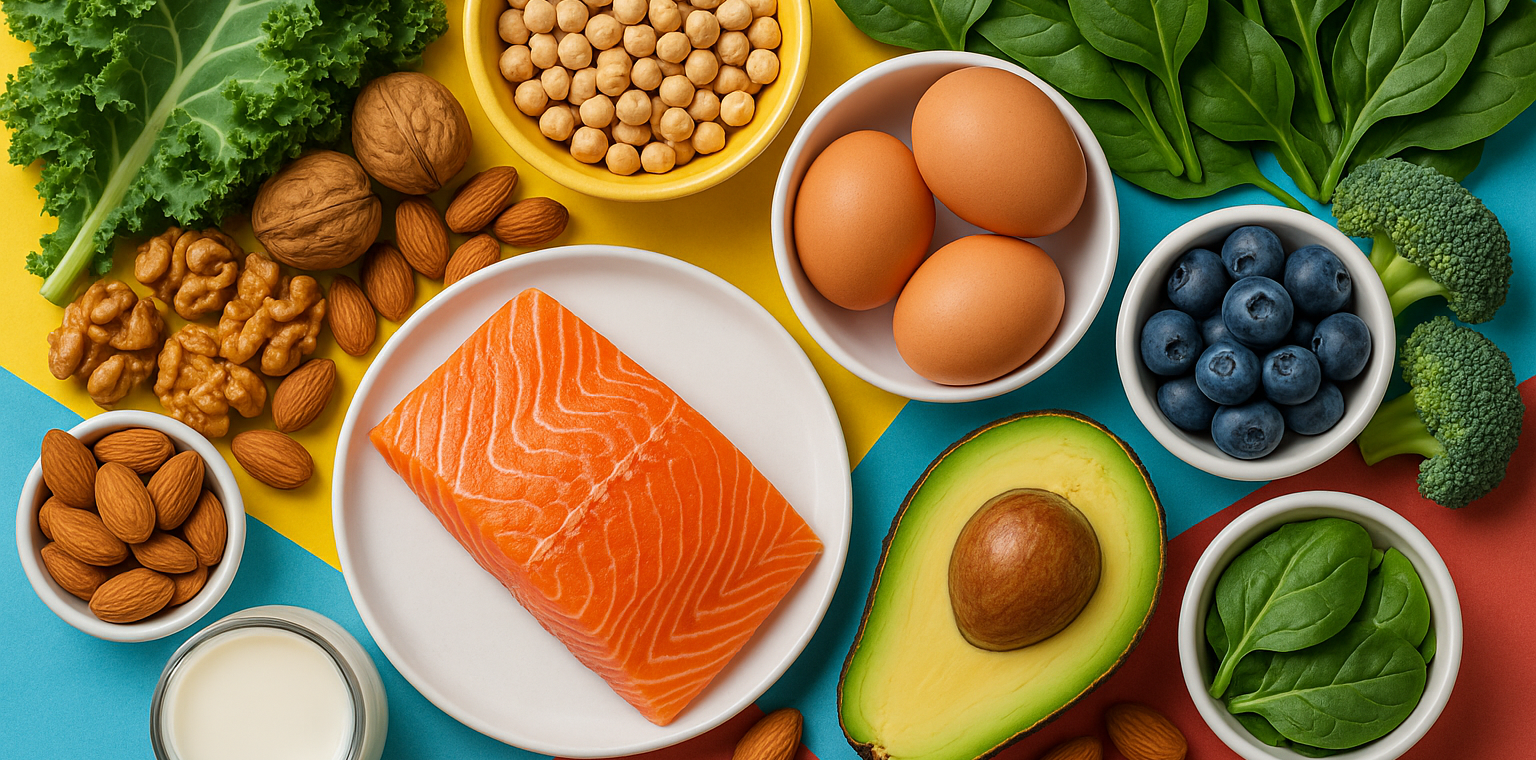
The pattern running through all ten of these nutrients is that whole, minimally processed foods are the most reliable and most bioavailable delivery systems. A diet centered on vegetables, fruits, whole grains, legumes, nuts, seeds, lean proteins, and healthy fats covers the majority of essential nutrient needs for most healthy adults. Specific populations including vegans, older adults, pregnant women, and those with malabsorption conditions may need targeted supplementation based on confirmed deficiencies or elevated requirements.
No supplement stack can replicate the nutritional complexity of real food, but used intelligently based on actual need rather than marketing, supplements can be a legitimate tool for closing genuine gaps in an otherwise good diet.
FAQ
What defines an essential nutrient?
An essential nutrient is one your body cannot synthesize in adequate amounts on its own, and whose absence causes a specific deficiency syndrome. Science recognizes approximately 30 essential micronutrients plus several macronutrients.
Which essential nutrients are most commonly deficient?
Vitamin D deficiency affects an estimated 40 percent or more of American adults, and roughly half of Americans consume less than the recommended amount of magnesium. Iron deficiency anemia is the most prevalent nutritional deficiency globally, affecting over 1.2 billion people.
Can supplements replace a nutrient-rich diet?
No supplement stack can replicate the nutritional complexity of real food. A diet centered on vegetables, fruits, whole grains, legumes, nuts, seeds, lean proteins, and healthy fats covers the majority of essential nutrient needs for most healthy adults, though targeted supplementation may help specific populations such as vegans, older adults, and pregnant women close genuine gaps.