Protein supplements can meaningfully support muscle growth, recovery, weight management, and age-related muscle preservation, but they carry real risks including heavy metal contamination, digestive side effects, hidden sugars, and potential concerns for people with kidney disease. For most healthy adults eating a balanced diet, whole food protein sources are sufficient, and any powder you buy should be third-party tested.
What Are Protein Supplements?
Walk into any gym, grocery store, or vitamin shop and you will find an entire wall dedicated to protein powders, bars, and shakes. The global protein supplement market is worth tens of billions of dollars, and it continues to grow every year. But with that growth comes a flood of bold claims, questionable ingredients, and genuine scientific debate. Are protein supplements actually useful, and what risks should you understand before adding a scoop to your morning smoothie?
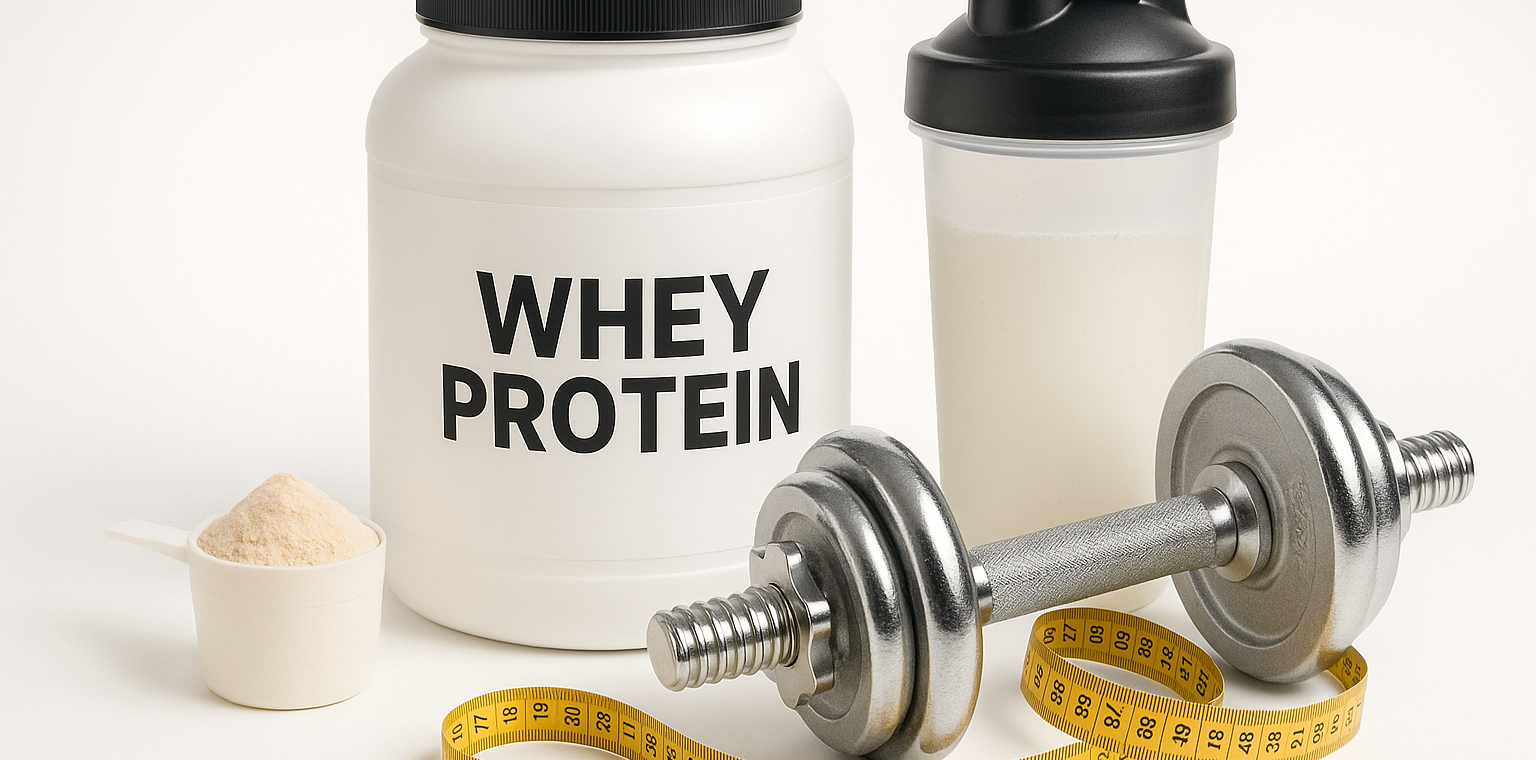
Protein supplements are concentrated sources of protein derived from animal or plant foods. The most common forms include whey, casein, egg white, soy, pea, and rice protein. They are typically sold as powders, ready-to-drink shakes, or bars, and are marketed to athletes, fitness enthusiasts, older adults, and anyone trying to increase their daily protein intake conveniently.
Why Protein Matters
Protein is one of the three macronutrients your body cannot function without. It serves as the building block for muscle tissue, enzymes, hormones, antibodies, and virtually every structural component in your body. Unlike carbohydrates and fat, your body does not store excess protein in a dedicated reserve, which means adequate daily intake is essential.
The Recommended Dietary Allowance (RDA) for protein is 0.8 grams per kilogram of body weight per day for sedentary adults. However, research consistently shows that active individuals, older adults, and those recovering from illness or injury benefit from higher intakes. A 2017 meta-analysis published in the British Journal of Sports Medicine found that protein supplementation significantly increased muscle mass and strength gains in individuals performing resistance training, with the most pronounced effects in those not already meeting protein needs through food.
What Are the Proven Benefits of Protein Supplements?
Muscle Growth and Recovery
This is the most well-documented benefit. Whey protein is rich in branched-chain amino acids (BCAAs), especially leucine, which directly stimulates muscle protein synthesis. Studies show that consuming 20 to 40 grams of protein within a few hours of resistance exercise supports greater muscle repair and hypertrophy compared to carbohydrate-only recovery strategies. Whey protein isolate absorbs quickly, making it particularly effective in the post-workout window.
Weight Management and Satiety
Protein is the most satiating macronutrient. Higher protein diets reduce hunger hormones like ghrelin while increasing satiety hormones like peptide YY. Research published in the American Journal of Clinical Nutrition found that increasing protein intake to 30 percent of total calories led participants to naturally consume about 441 fewer calories per day, resulting in weight loss without deliberate caloric restriction. Protein supplements can make hitting higher protein targets easier, particularly for people with lower appetites or demanding schedules.
Preserving Muscle in Older Adults
Sarcopenia, the age-related loss of muscle mass, affects a significant portion of adults over 60 and is associated with falls, fractures, and loss of independence. Research supports that older adults need more protein than the current RDA, closer to 1.2 to 1.6 grams per kilogram per day, to maintain muscle mass. Protein supplements can help older adults reach these targets when food intake is limited or appetite has declined.
Metabolic and Glycemic Benefits
A randomized controlled trial found that protein supplementation combined with micronutrient fortification significantly improved metabolic markers in healthy adults, including better glycemic control and improved body composition. For people managing blood sugar or early metabolic syndrome, a protein-rich diet with supplementation support may offer measurable benefits alongside standard dietary guidance.
What Risks Should You Know Before Supplementing?
Heavy Metal Contamination
One of the most serious and underreported concerns is contamination. Testing by the Clean Label Project and Consumer Reports found that many popular protein powders contained measurable levels of heavy metals including lead, arsenic, cadmium, and mercury. Some products contained lead at levels that exceeded safe daily thresholds when consumed in regular serving sizes. Plant-based proteins, particularly brown rice and pea protein, tended to show higher contamination levels than whey-based products in some analyses. This is not a fringe concern and it should factor into your purchasing decisions.
Gastrointestinal Distress
Whey protein contains lactose, which can cause bloating, gas, cramping, and diarrhea in people with lactose intolerance. Even in people without a diagnosed intolerance, large amounts of protein powder can cause digestive discomfort. Whey protein isolate has most of the lactose removed and is often better tolerated, as is plant-based protein for those who react to dairy.
Added Sugars and Artificial Additives
Not all protein powders are created equal. Some products contain as much as 23 grams of added sugar per scoop, turning a supposed health product into a dessert. Others contain artificial dyes and synthetic sweeteners that carry their own health questions. Always read the full ingredient list, not just the protein count on the front of the label. If you cannot identify most of the ingredients, that is a warning sign.
Kidney Strain in At-Risk Individuals
For healthy people with normal kidney function, the evidence does not support that high protein intake causes kidney damage. However, for individuals with pre-existing chronic kidney disease (CKD), high protein intake, particularly above 90 grams per day, may accelerate the decline in kidney function over time. If you have any kidney condition or family history of kidney disease, speak with your doctor before significantly increasing your protein intake.
Caloric Excess
Protein powders are not calorie-free. Depending on the brand, a single serving can contain 100 to 200 calories or more. If you are adding protein shakes on top of your regular diet without accounting for the extra calories, gradual weight gain is possible. Supplements work best when they replace a less nutritious food or fill a genuine gap, not when they are stacked on top of an already adequate diet.
Who Actually Needs Protein Supplements?
The honest answer is that most people who eat a varied diet including meat, fish, dairy, eggs, or legumes are already meeting their protein needs. The average American adult consumes well above the RDA even without supplements. Protein powders make the most sense for:
- Serious athletes and bodybuilders with high protein targets that are difficult to hit through food alone
- Older adults struggling with appetite or who need more protein to prevent muscle loss
- Vegans and vegetarians who find it harder to obtain complete protein profiles from plant foods
- People recovering from illness, surgery, or injury with elevated protein needs
- Individuals with very busy schedules who need a fast, convenient protein source between meals
How Do You Choose a Safe, High-Quality Product?
If you decide protein supplementation is right for you, quality matters enormously. Here is what to look for:
- Third-party tested products: Look for seals from NSF International, Informed Sport, or USP. These organizations independently test for contaminants, label accuracy, and banned substances.
- Short ingredient lists: The best protein powders contain protein, a natural flavoring source, and little else.
- No artificial dyes: Avoid products with FD&C dyes like Red 40 or Yellow 5.
- Low or no added sugar: Aim for fewer than 5 grams of sugar per serving.
- Appropriate serving size: Most research supports 20 to 40 grams per serving post-workout for muscle protein synthesis.
Should You Rely on Food First or Supplements?
Before reaching for a protein powder, consider whether you can meet your needs through whole food sources. Chicken breast, Greek yogurt, eggs, canned tuna, lentils, and cottage cheese are all protein-dense, affordable, and come packaged with additional vitamins, minerals, and fiber that a scoop of powder cannot replicate.
Whole foods also offer what nutrition scientists call a "food matrix" effect, meaning nutrients interact synergistically within real food in ways that isolated supplements cannot mimic. Protein supplements are a convenient tool, not a nutritional miracle. Use them intelligently, choose them carefully, and they can genuinely support your health and fitness goals without replacing the fundamentals of a good diet.
The Bottom Line
Protein supplements offer real, evidence-backed benefits for muscle growth, recovery, weight management, and preventing age-related muscle loss. But they also carry legitimate risks including heavy metal contamination, digestive side effects, hidden sugars, and potential concerns for those with compromised kidney function. For most healthy adults eating a balanced diet, whole food protein sources are sufficient. If you choose to supplement, prioritize third-party tested products, read every ingredient, and treat protein powder as a complement to good nutrition, not a substitute for it.
FAQ
Do protein supplements actually build muscle?
Yes, when combined with resistance training. A 2017 meta-analysis in the British Journal of Sports Medicine found that protein supplementation significantly increased muscle mass and strength, with the biggest gains in people who were not already meeting their protein needs through food. Consuming 20 to 40 grams within a few hours of exercise is the most supported dose.
Are protein powders safe to use every day?
For healthy people with normal kidney function, daily use appears safe. However, testing by the Clean Label Project and Consumer Reports found heavy metals like lead, arsenic, cadmium, and mercury in many popular powders, with some exceeding safe daily thresholds. Choosing a third-party tested product (NSF, Informed Sport, or USP) and keeping added sugar low reduces the main risks.
Who benefits most from protein supplements?
Supplements are most useful for serious athletes, older adults trying to prevent sarcopenia, vegans and vegetarians, people recovering from illness or injury, and anyone with a busy schedule who needs a convenient protein source. The average healthy adult eating a varied diet that includes meat, fish, dairy, eggs, or legumes typically already meets protein needs without supplements.